If you’ve ever priced out a shop-vac and a stiff brush and wondered whether you could just clean your own air ducts, you’re not alone. It’s a reasonable question. But once you see what actual air duct cleaning equipment involves, the gap becomes pretty obvious. This isn’t about brand loyalty or upselling — it’s about airflow physics, and physics doesn’t care how motivated you are with a broom handle.
Here’s what’s actually inside a professional duct cleaning setup, and why each piece exists.
The Vacuum System Is the Whole Ballgame
A household shop-vac pulls somewhere in the range of a few hundred air watts. It’s fine for sawdust and spilled cereal. It is not built to create negative pressure across an entire branching duct network that might run 100+ feet through a home’s walls and attic.
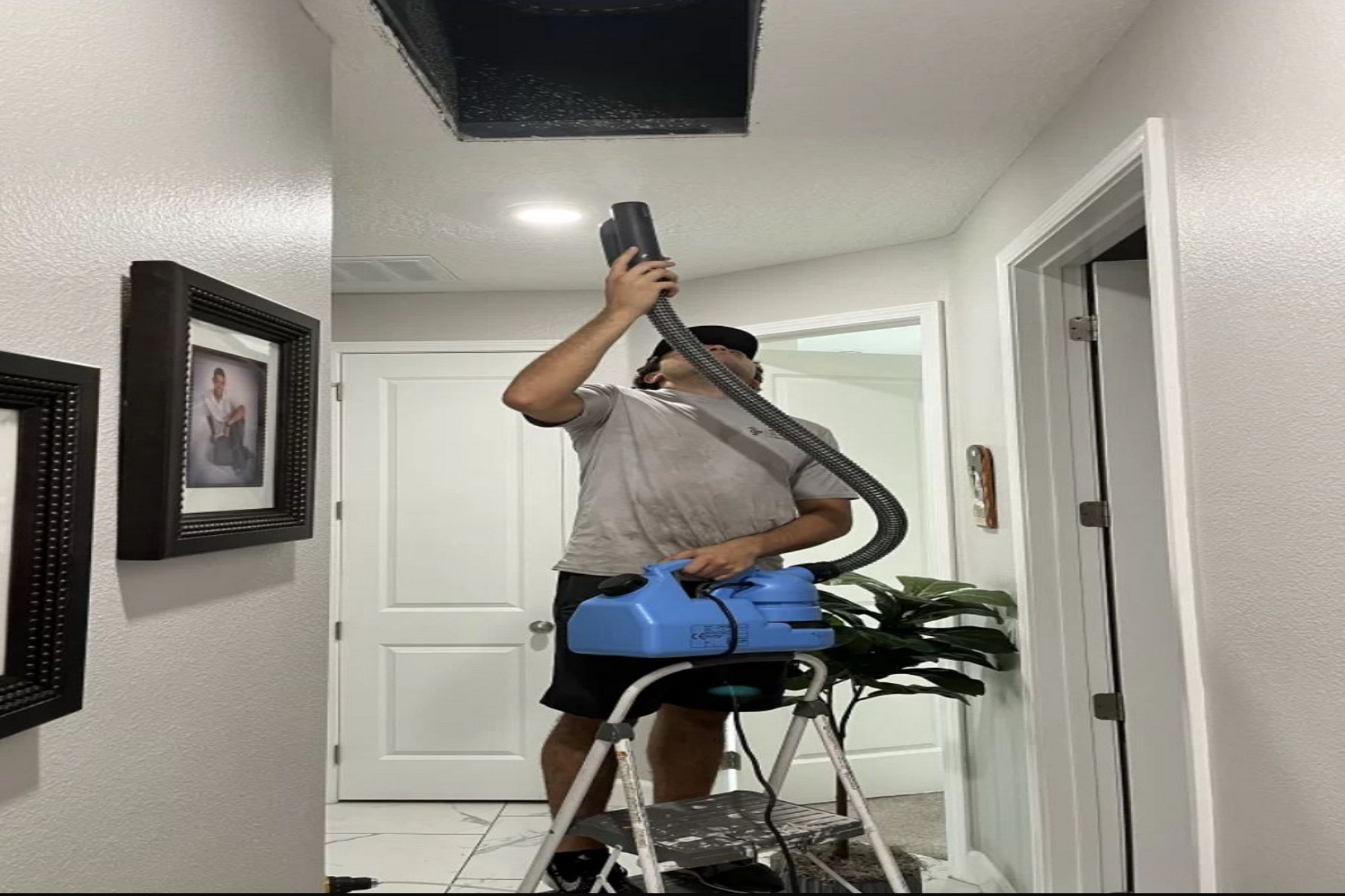
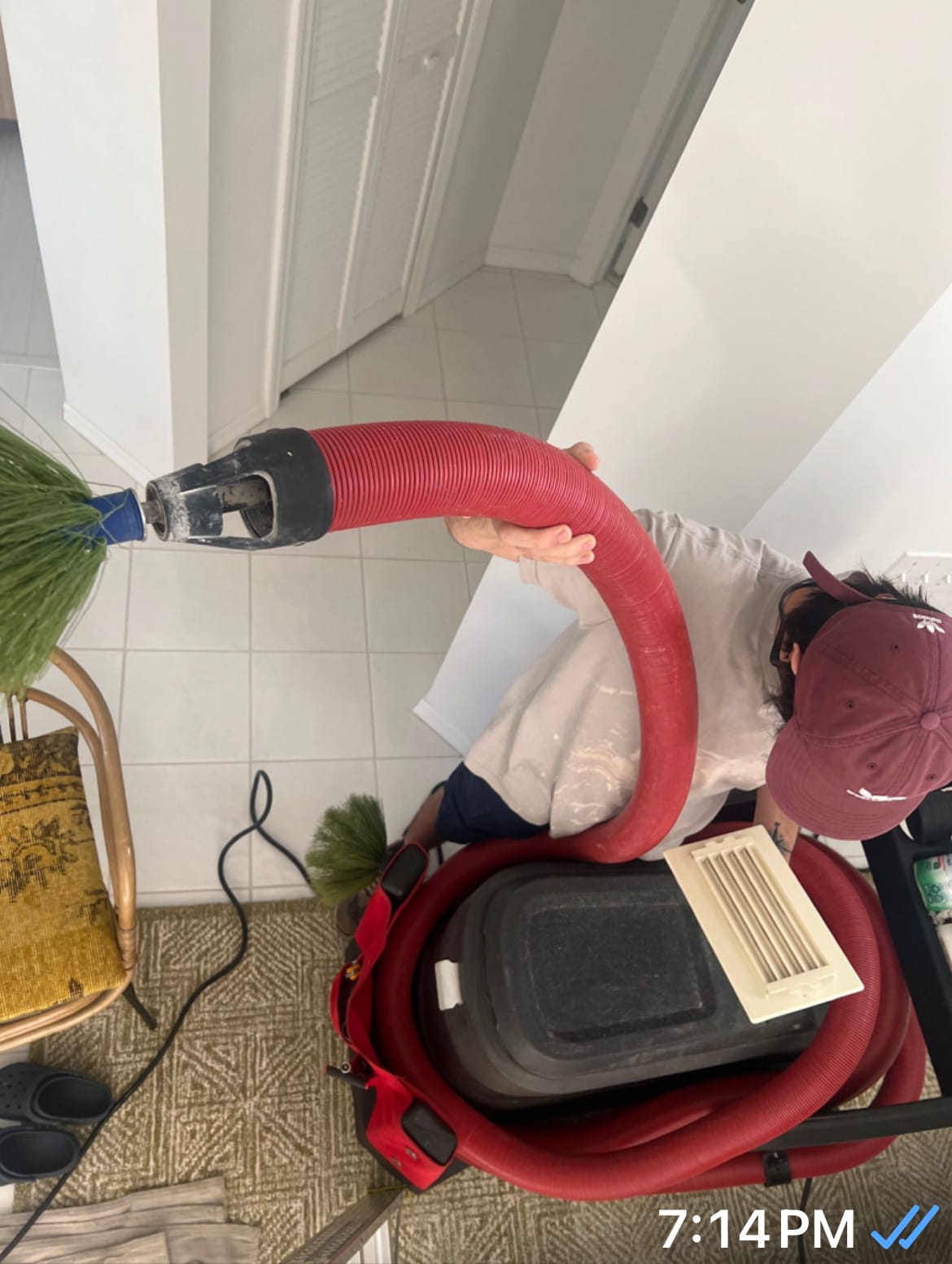
Professional-grade air duct cleaning equipment uses high-powered vacuum systems — either truck-mounted units pulling suction through a hose run to the house, or powerful portable HEPA-filtered vacuum collection systems set up at the main trunk line. The goal is the same either way: pull the entire duct system into negative pressure so that when debris gets knocked loose, it travels toward the vacuum instead of blowing back out into your living room through the nearest register.
That negative-pressure setup is really the whole point. A shop-vac attached to one register can only pull air (and dust) from wherever that one hose reaches. It can’t hold negative pressure on a branching system, which means agitated dust just resettles a few feet away or gets pushed into rooms you weren’t even working on.
Agitation Tools Do the Work Suction Alone Can’t
Suction only removes what’s already loose. Years of accumulated dust, pet hair, and debris tend to cling to the interior walls of ductwork, especially in the corners and seams. That’s where agitation tools come in.
- Rotary brush systems — flexible, motorized brushes fed through the ductwork on a cable, sized to match the duct diameter, that physically scrub debris loose from the interior walls
- Compressed air whips and skipper balls — air-powered tools that snake through the ducts knocking debris loose with bursts of compressed air, useful in runs where a rigid brush can’t easily maneuver
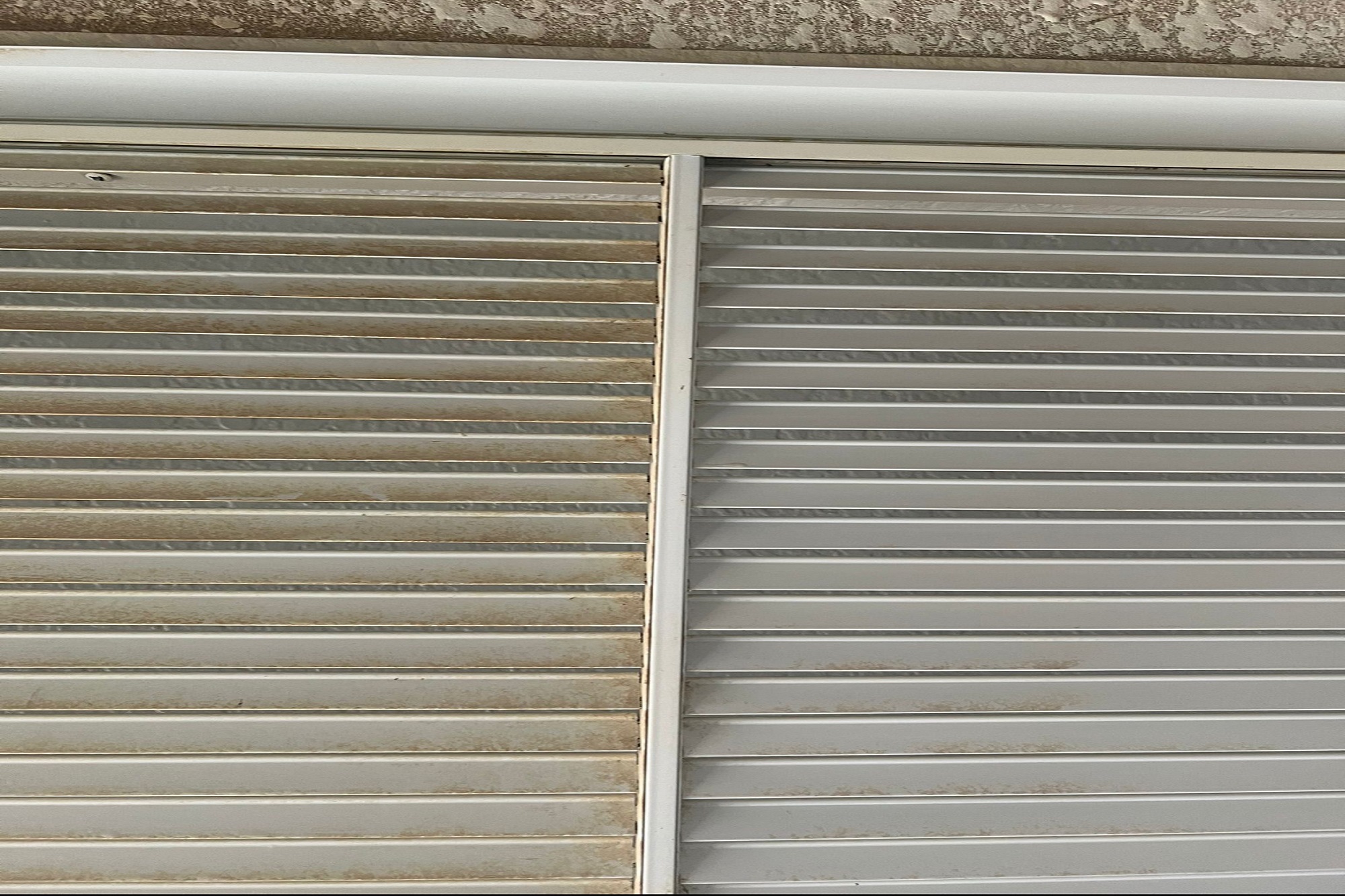
- Hand tools for registers and grilles — brushes and vacuum attachments sized specifically for cleaning vent covers, where a lot of visible buildup actually collects
The agitation and the vacuum work together, not separately. Debris gets knocked loose right as the system is under negative pressure, so it’s pulled into the collection unit instead of just getting stirred up and left to drift back into place. Do one without the other and you’ve either got dust that never moves, or dust that moves somewhere you didn’t want it.
Camera Inspection: Seeing What You’re Actually Dealing With
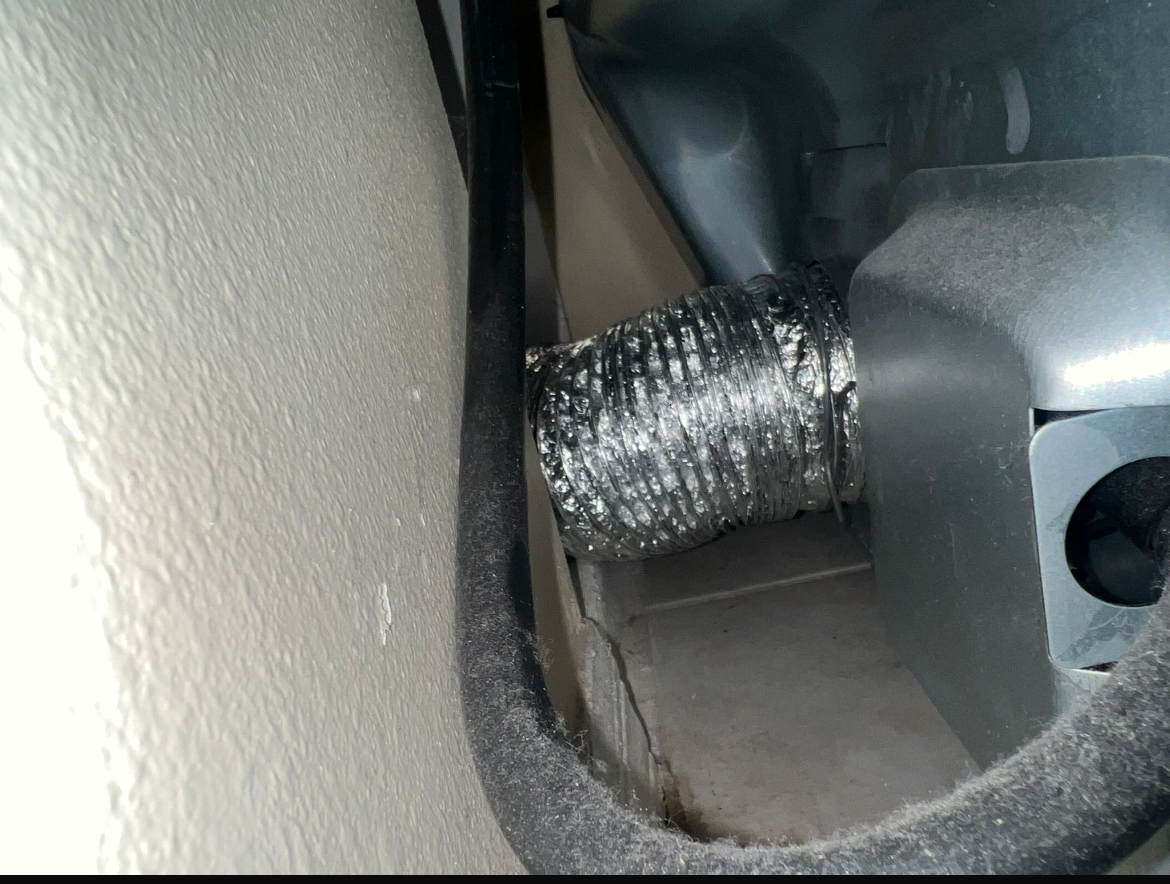
You can’t clean what you can’t see, and ductwork isn’t exactly built for easy visual access. Inspection cameras — small, flexible cameras fed through the duct on a cable, similar in concept to a plumbing inspection camera — let a technician actually look inside the system before and after cleaning.
This matters for a few practical reasons. It shows where buildup is concentrated, so agitation tools get used where they’re actually needed instead of blindly running the whole system the same way. It can reveal disconnected duct sections, damaged flex duct, or other issues that have nothing to do with dust but everything to do with your system’s efficiency. And it lets you confirm the job is actually done — rather than just assuming it worked because the vacuum ran for a while.
Dryer Vent Cleaning Uses a Different Toolkit
Dryer vents get lumped in with duct cleaning conversations, but the equipment is somewhat different because the problem is different. Lint is lighter and more fibrous than typical duct dust, and dryer vent runs are narrower, often with tighter bends, and sometimes routed all the way up through a roof.
Rotary brush systems sized specifically for dryer vent diameter, paired with vacuum collection at the exterior vent termination, are the standard approach — particularly important on roof-mounted dryer vents, where lint buildup is harder to spot from ground level and a clogged line has a well-known reputation as a home dryer fire risk. A shop-vac hose held up to a roof vent from a ladder just isn’t going to move lint out of a 15-foot run with two elbow bends in it.
Why the Equipment Gap Actually Matters
None of this is about making a simple job sound complicated. It’s that duct systems are sealed, branching, and largely invisible — three characteristics that make partial cleaning almost worse than no cleaning at all, since agitated debris with nowhere to go just resettles in a new spot or gets pushed through your registers into the room.
The combination that actually gets ducts clean is negative-pressure vacuum collection, mechanical agitation matched to the job, and camera verification to confirm the work — not any one of those alone, and definitely not a household vacuum and enthusiasm.
Clean Quality Air is a family-owned business based in Boynton Beach, serving Palm Beach, Martin, and St. Lucie counties — from West Palm Beach and Jupiter down through Stuart and Port St Lucie up to Fort Pierce and Vero Beach. If you’re curious what our equipment would find in your system, give Jeff and the team a call at (772) 834-9618 or request a free quote to get a straight answer.