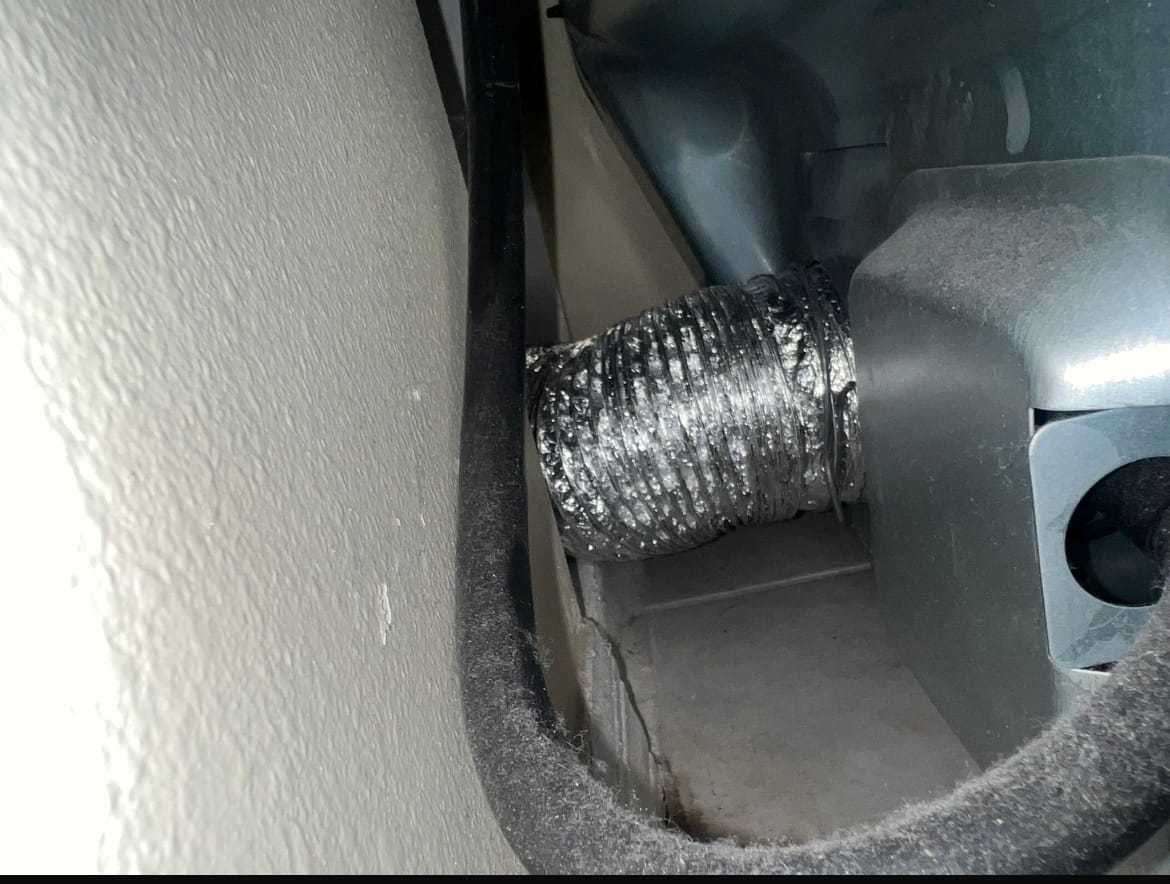
If your dryer suddenly needs two or three cycles to get a load fully dry, your first instinct might be to blame the machine. But a clogged dryer vent electric bill increase is one of the most overlooked energy drains in a South Florida home. When lint and debris build up inside the vent line, your dryer has to work harder and longer to push hot, moist air outside, and that extra runtime shows up on your power bill every single month.
Why a Blocked Vent Makes Your Dryer Work Overtime
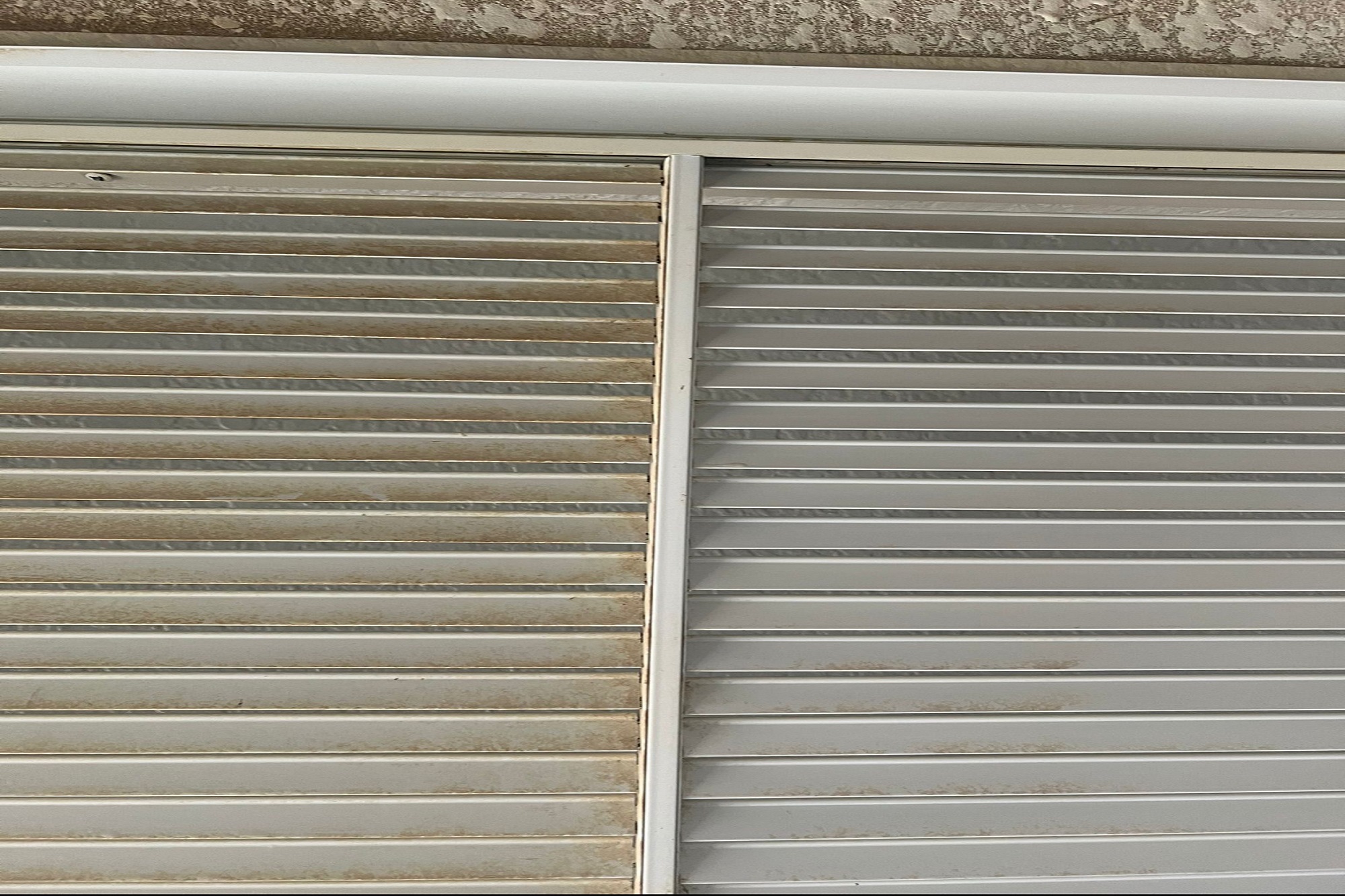
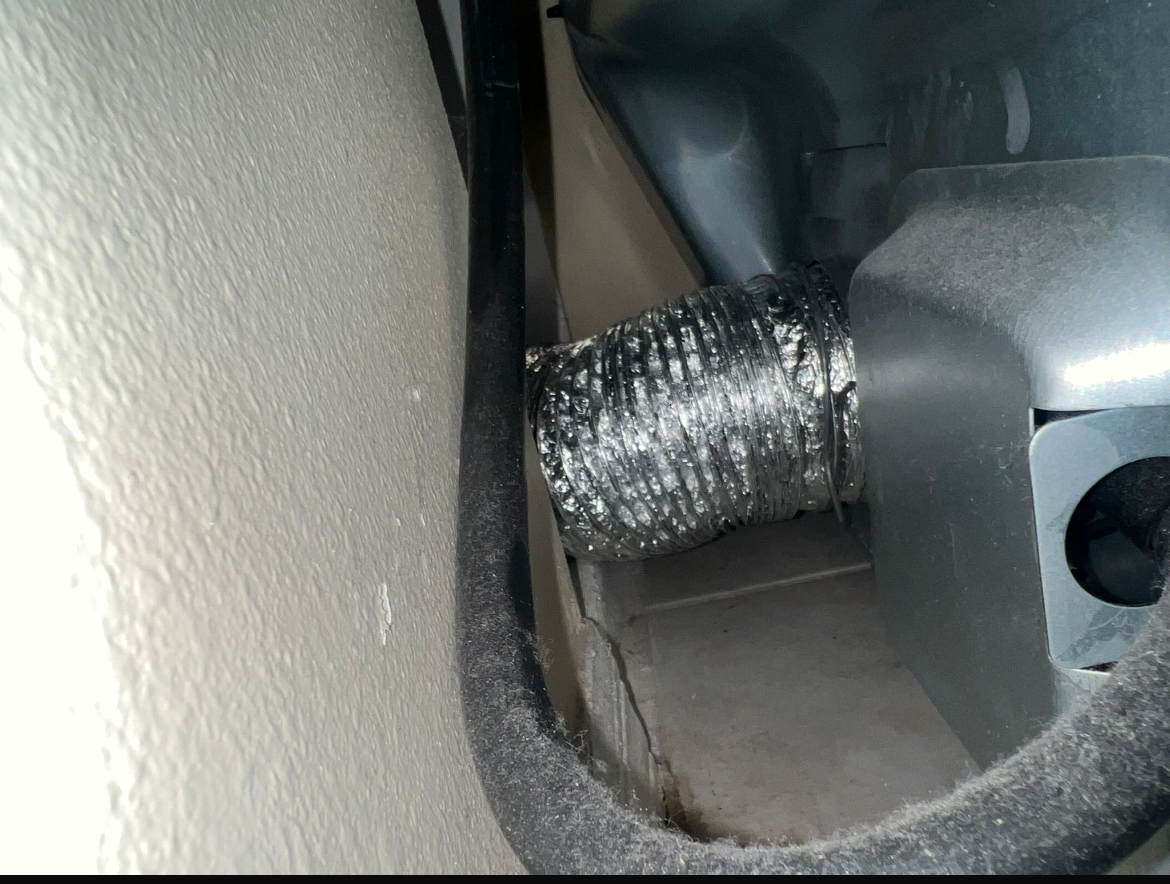
A dryer is designed to pull in air, heat it, tumble it through wet clothes, and exhaust the moisture-laden air through the vent to the outside. That whole system depends on unrestricted airflow. When lint accumulates along the vent walls — which happens gradually, load after load — the passage narrows and airflow slows down.
Your dryer’s thermostat and timer have no way of knowing the vent is blocked. The machine just keeps running until its sensors detect the load is dry, or until the cycle timer runs out. With restricted airflow, moist air lingers inside the drum instead of escaping, so clothes take longer to dry. The dryer compensates by running longer, cycling more heat, and sometimes requiring a second or third full cycle just to finish one load of towels or bedding.
Where the Extra Electricity Actually Goes
Every extra minute your dryer runs, it’s pulling electricity to power the drum motor, the blower, and — the biggest energy user in the whole machine — the heating element. Here are the specific ways a restricted vent inflates a clogged dryer vent electric bill:
- Repeat cycles: A load that should take one cycle now needs two or more, effectively doubling the energy used for that laundry session.
- Longer heating time: The heating element has to stay on longer per cycle to compensate for moist air that isn’t being exhausted efficiently.
- Reduced efficiency over time: As lint continues to build, the problem compounds — each week the vent gets a little more restricted, and each week the dryer works a little harder.
- Strain on components: Motors and heating elements running longer and hotter than they were designed for wear out faster, which eventually adds repair or replacement costs on top of the energy waste.
None of this happens overnight. It creeps up gradually, which is exactly why so many homeowners don’t connect a slowly climbing electric bill to something as unglamorous as vent lint.
Roof-Mounted Vents Have It Worse
A lot of homes across Palm Beach, Martin, and St. Lucie counties vent the dryer straight up through the roof rather than out through an exterior wall. It’s a common setup in this region, but it comes with a downside: lint doesn’t fall straight down and out the way it might in a short, horizontal run. In a roof-mounted system, lint has to travel vertically against gravity, which means it settles and builds up faster, often in sections of ductwork you can’t see or reach without the right equipment. If your home has a roof vent and you’ve noticed drying times creeping up, that’s worth paying attention to before it turns into a bigger issue.
Signs Your Vent — Not Your Dryer — Is the Problem
Before you assume you need a new machine, look for these signs that airflow restriction is driving up energy use:
- Clothes come out hot to the touch but still damp
- A single load regularly needs a second or third cycle
- The outside of the dryer feels noticeably hot during operation
- The room where the dryer sits feels warmer or more humid than usual
- You notice a burning or musty smell when the dryer runs
- The exterior or roof vent hood shows little to no airflow when the dryer is running
Any one of these on its own might not mean much. A few together, especially paired with a dryer that used to run one quick cycle and now doesn’t, points pretty clearly to a restricted vent rather than a failing appliance.
A Clear Vent Line Also Means a Safer One
Beyond the electric bill, there’s a well-known safety reason to keep dryer vents clear: built-up lint is a recognized cause of home dryer fires. Lint is highly combustible, and when it accumulates around a heating element that’s working overtime to compensate for poor airflow, the risk only goes up. Addressing the energy waste and addressing the fire risk are really the same fix.
Getting Ahead of It
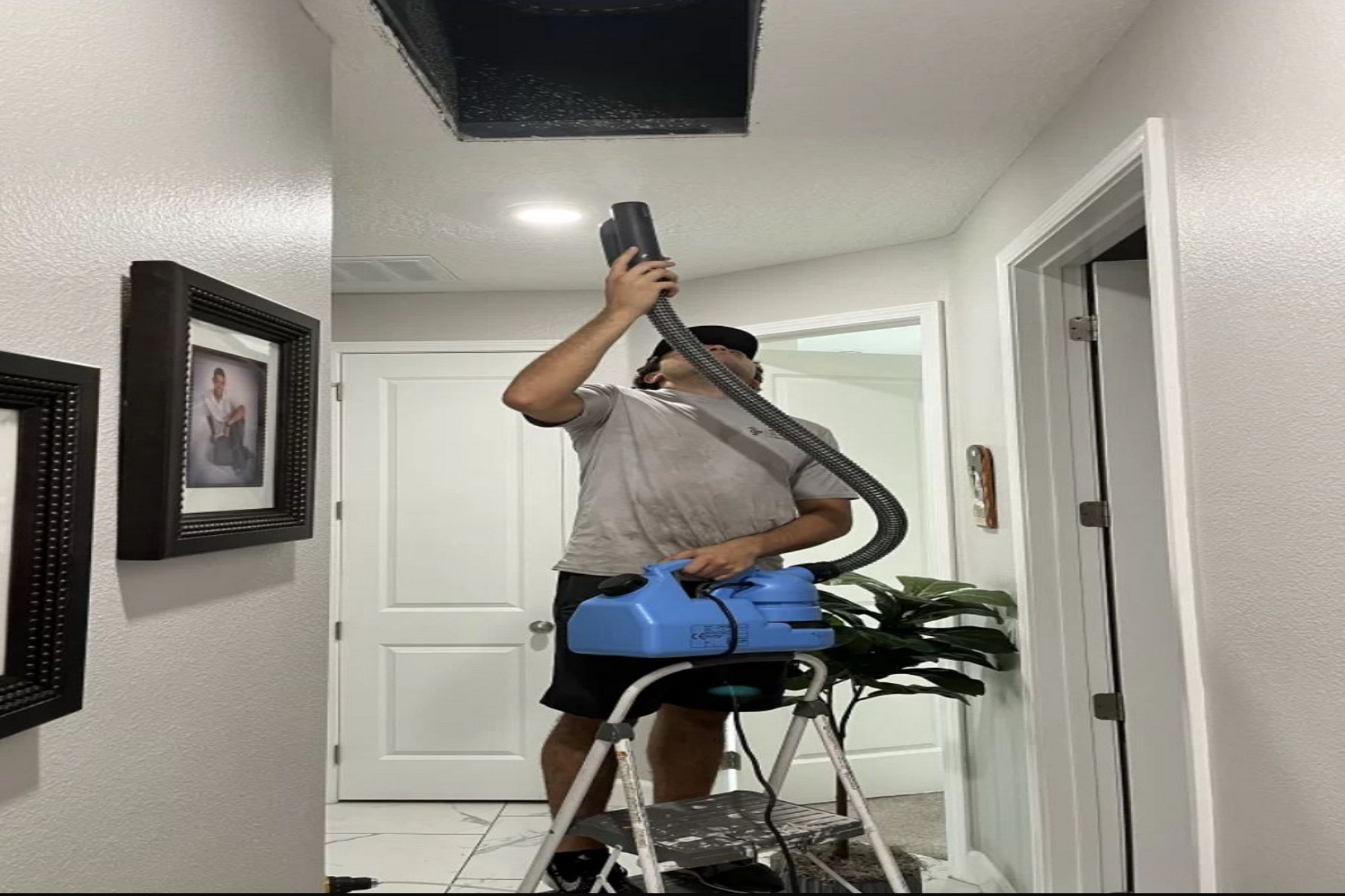
The good news is that a restricted dryer vent is one of the more fixable culprits behind a rising electric bill. Unlike aging appliances or structural insulation issues, clearing a vent line is a straightforward service — it just requires reaching the full length of the duct, including the tricky vertical runs in roof-mounted systems, not just the section behind the machine that a homeowner can see.
Clean Quality Air is a family-owned business based in Boynton Beach, serving homes throughout Palm Beach, Martin, and St. Lucie counties, from West Palm Beach and Jupiter down to Stuart, Port St Lucie, and Vero Beach. Dryer vent cleaning, including roof-mounted systems, is one of our core services alongside air duct cleaning and vent cover maintenance. If your dryer has been running longer than it used to, it’s worth having the vent line checked before the next bill arrives. Call us at (772) 834-9618 or request a free quote to get your dryer vent inspected and cleared.