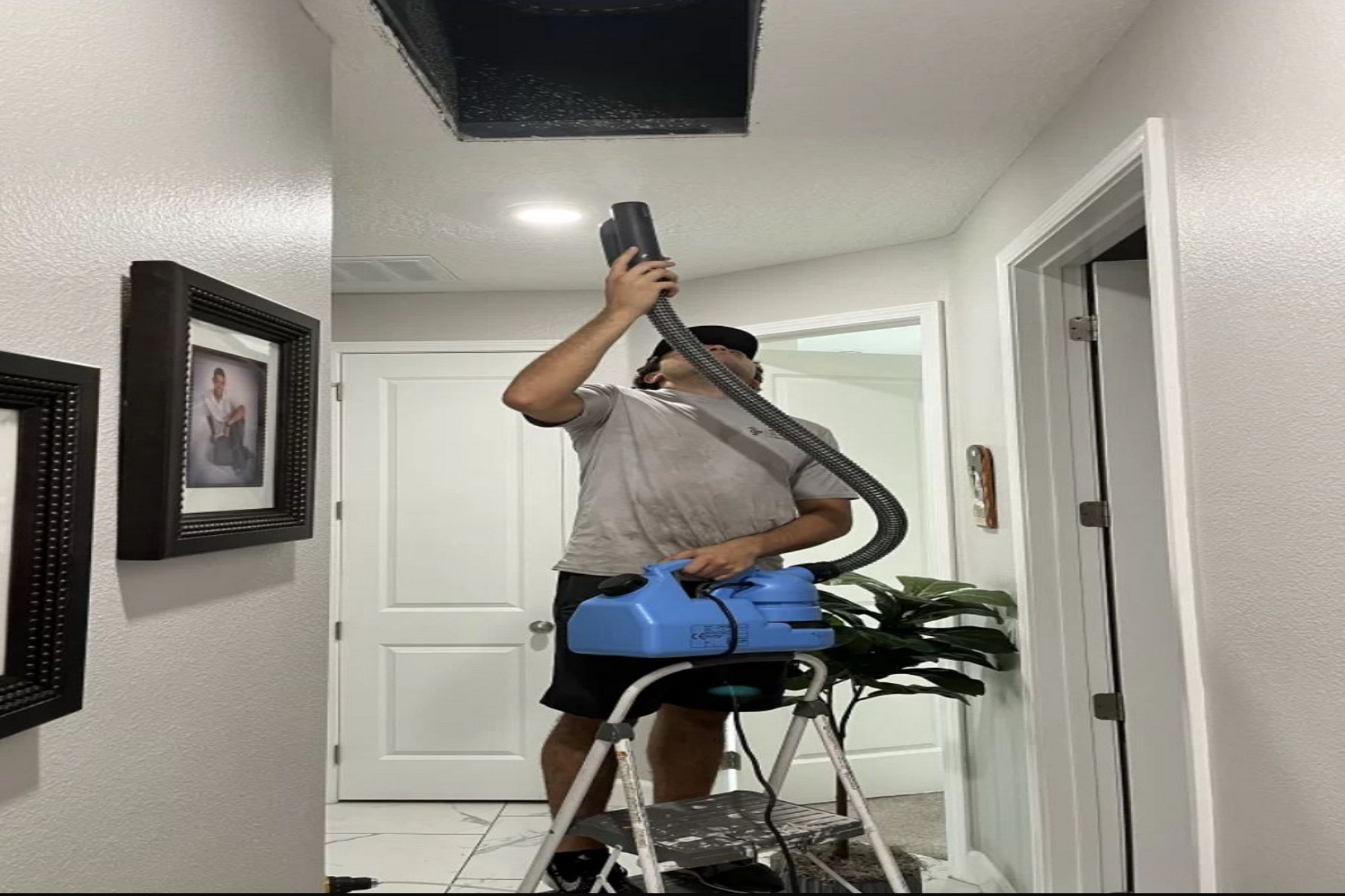
If you live in a condo or townhome anywhere from Boynton Beach to Port St Lucie, there is a good chance your dryer does not vent out the back wall like it would in a typical single-family house. It vents straight up, through the roof. That difference sounds minor until you actually need roof dryer vent cleaning done, because the equipment, the access, and the risks involved are nothing like a standard wall vent job.
We get calls all the time from homeowners who assume dryer vent cleaning is dryer vent cleaning, full stop. It is not. A wall vent runs a few feet through an exterior wall and dumps out behind a simple hood. A roof vent can run vertically through two or three stories of ductwork before it ever reaches open air. Treating them the same way is how vents stay dirty even after someone “cleaned” them.
Why Roof-Mounted Vents Are So Common in South Florida
Multi-story condos, townhomes, and attached villas make up a huge share of housing across Palm Beach, Martin, and St. Lucie counties, and they often do not have an exterior wall available for the dryer to vent through. Interior units, stacked floor plans, and HOA rules about exterior wall penetrations all push builders toward routing the vent duct up through the attic or chase and out through the roof cap instead.
It is a practical solution for the builder. It is a headache for whoever has to clean it later.
The Access Problem Nobody Talks About
A wall vent cleaning is straightforward: get to the exterior hood, get to the interior connection near the dryer, clean from both ends, done. A roof vent flips that whole process.
- The exterior access point is on the roof, not at eye level, which means safety equipment and roof-walking experience are non-negotiable, not optional extras.
- The duct run is longer and often has more bends as it travels up through framing, which is exactly where lint likes to pile up and get stuck.
- Roof caps trap moisture and debris differently than wall hoods do, since they sit flat-ish and catch rain, leaves, and roofing grit right at the exhaust point.
- Multi-story runs need longer, more rigid cleaning tools to actually reach and dislodge lint the entire length of the duct, not just clear the first few feet near the dryer.
A technician who only owns wall-vent equipment simply cannot do a proper roof dryer vent cleaning. The brushes and rods might not reach the full run, and there is no safe way to inspect or clear the roof-side termination at all without the right gear.
What Happens When a Roof Vent Gets Cleaned the Wrong Way
This is where we see the most repeat problems. A crew shows up, runs a short brush in from the dryer connection, calls it done, and leaves. It looks finished. The immediate blockage near the machine is gone, airflow improves a little, and everyone is happy for a few months.
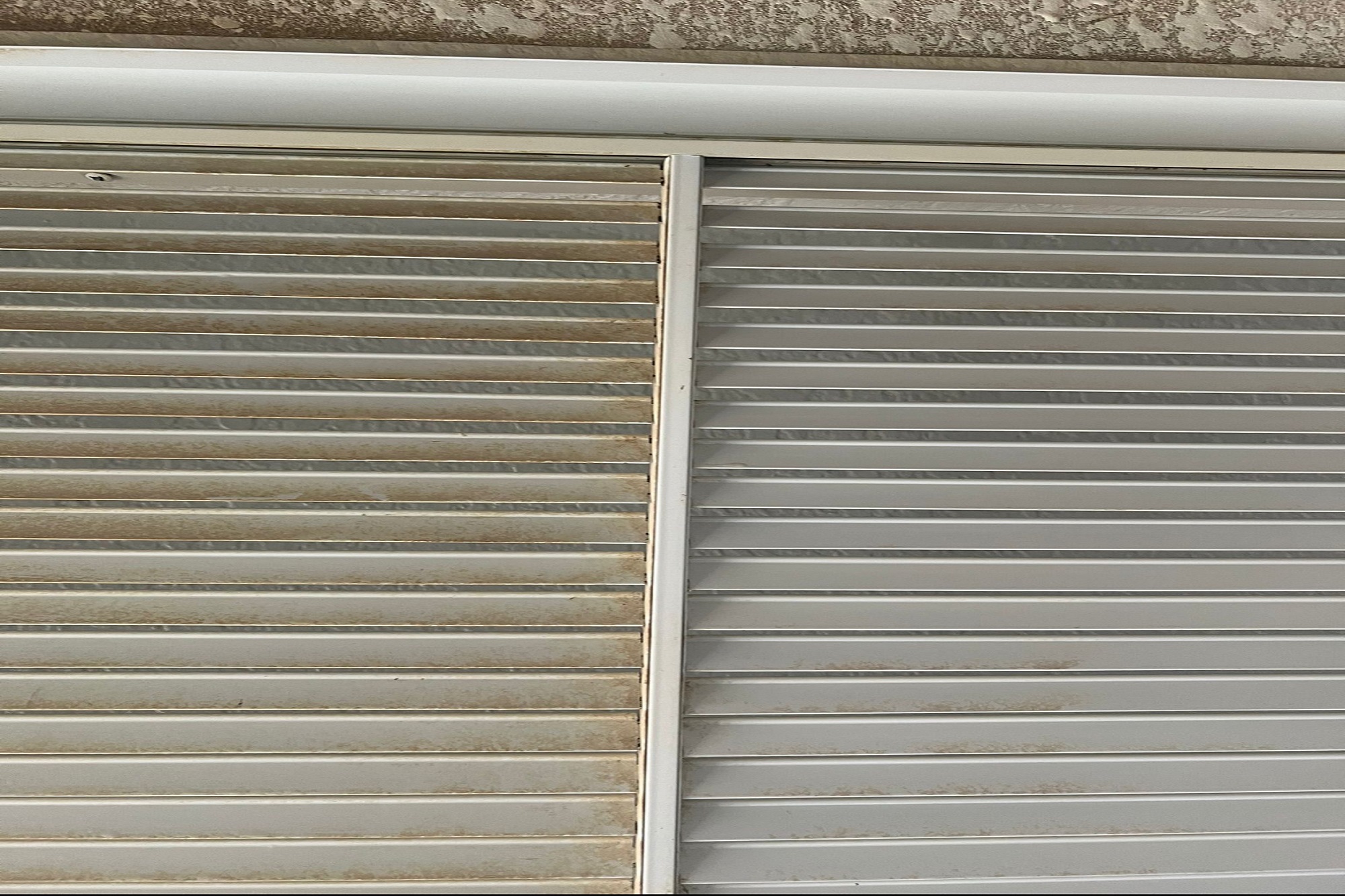
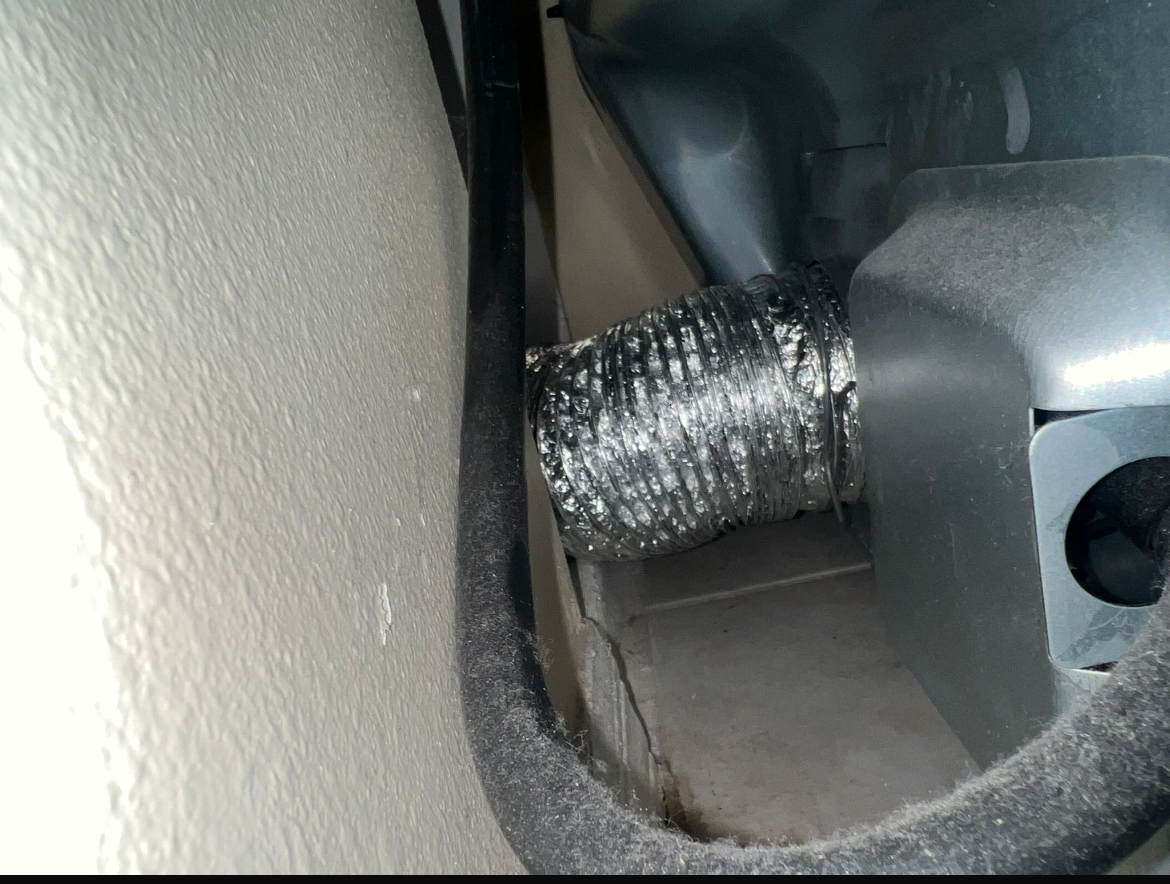
But the lint further up the run, especially around bends and near the roof termination, never got touched. A clogged dryer vent is a well-known cause of home dryer fires, and a roof run that has only been half-cleaned is exactly the kind of setup where that risk keeps building quietly. You also end up with a dryer that takes longer to dry clothes, runs hotter than it should, and burns more energy doing it, all because the actual blockage was never reached.
What Proper Roof Dryer Vent Cleaning Actually Involves
Done right, cleaning a roof-mounted dryer vent means working the entire run, not just the accessible end. That typically includes:
- Inspecting and clearing the interior connection at the dryer
- Running the full length of ductwork through the attic or wall chase, including any turns or offsets
- Accessing the roof cap itself to clear lint, debris, and any nesting material that has built up at the termination point
- Checking that the roof cap damper or flapper still opens and closes properly so it is not letting moisture or pests back into the line
That last step gets skipped constantly. A roof cap with a stuck-open flapper is basically an invitation for rain and debris to sit right at the top of your vent line between cleanings.
Why This Matters for Condo and Townhome Owners Specifically
If you own a unit with a roof-vented dryer, you are also often sharing structure with neighboring units. A vent that is blocked or venting poorly does not just affect your dryer performance, it can affect moisture levels in shared attic space too. Getting the roof dryer vent cleaning done correctly the first time is not just about convenience, it is about not creating a slow-building problem in a space you do not fully control on your own.
We serve a wide stretch of South Florida for exactly this reason, from Boynton Beach and West Palm Beach up through Jupiter and Stuart, and on into Port St Lucie, Fort Pierce, and Vero Beach. Roof-vented construction shows up across that entire corridor, not just in one city, so it is a job type we handle regularly rather than occasionally.
Get Your Vent Checked the Right Way
If your dryer takes multiple cycles to dry a normal load, or you have never actually seen anyone go up to your roof cap during a “vent cleaning,” it is worth having it looked at properly. Clean Quality Air is a family-owned business, and we handle both wall and roof-mounted dryer vent cleaning across Palm Beach, Martin, and St. Lucie counties.
Give us a call at (772) 834-9618 or request a free quote to get your roof dryer vent cleaning scheduled and done the way it should be: start to finish, not just the easy first few feet.