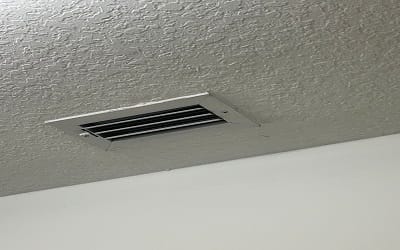
If you’ve wiped down a vent cover and the cloth came away gray or black, you’re not imagining things. Black dust around AC vents is one of the most common things homeowners notice right before they start wondering what’s actually living inside their ductwork. It’s not always a red flag, but it’s not nothing either — and in a lot of South Florida homes, the humidity and near-constant AC use make this particular problem show up faster than it would somewhere drier.
Here’s the honest breakdown of what’s usually going on, and how to tell whether you’re dealing with ordinary buildup or something your ducts need a professional look at.
What That Black Dust Actually Is
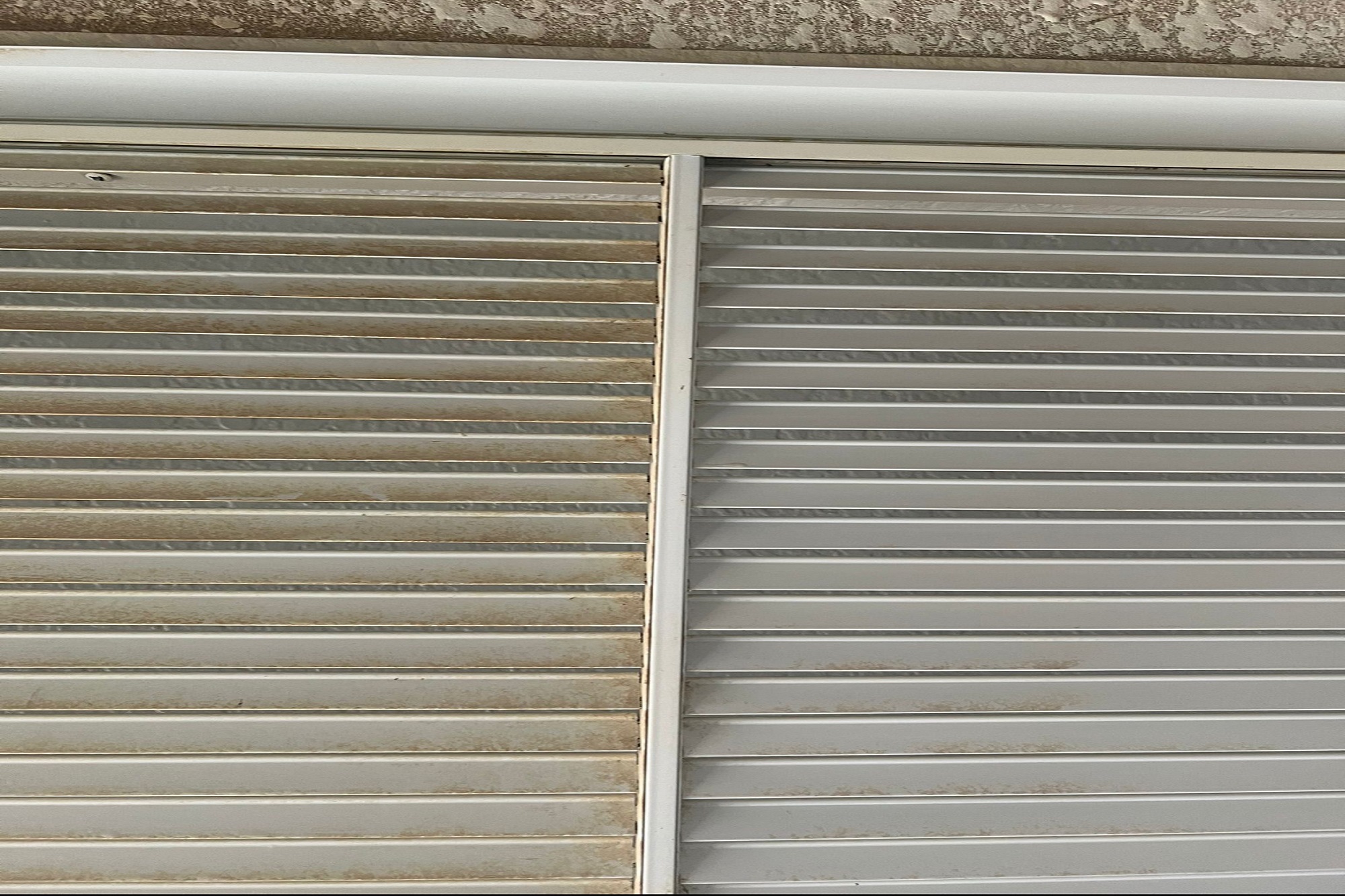
In most homes, the dark residue collecting on and around vent covers is a mix of a few things: fine airborne particulate (dust, skin cells, fabric fibers, outdoor pollution) that gets pulled through the return air system and clings to the slightly cooler metal of the vent. Air conditioning vents run cooler than the surrounding wall or ceiling, and cooler surfaces attract airborne particles the same way a cold glass of water attracts condensation. Over months, that particulate builds into a visible sooty ring.
Sometimes what looks like soot is closer to actual soot — carbon residue from candles, fireplaces, cooking, or even a poorly maintained furnace component can travel through the duct system and settle right at the vent opening. And in homes with older or leaky ductwork, dust from attic insulation or wall cavities can get pulled in and pushed back out through the same vents, carrying a grayish-black tint with it.
When It’s More Than Just Dust
Black dust around AC vents can also be mold-adjacent, especially in a climate like ours. Palm Beach, Martin, and St. Lucie counties deal with humidity levels that make ductwork a genuinely different animal than it is up north. If your ducts run through a humid attic or crawlspace, or if there’s ever been condensation pooling inside the system, dark residue near the vents can be a mix of dust and mold spores rather than ordinary particulate.
A few signs point toward something beyond simple dust buildup:
- The residue has a musty or damp odor when you get close to it, rather than just a dusty smell.
- The black coloring reappears quickly after cleaning, sometimes within a couple weeks.
- You notice it concentrated around bathroom or kitchen vents, where humidity is highest.
- Household members with allergies or asthma seem to have more symptoms indoors than outdoors.
- The staining looks more like a dark smudge or streak than a soft, even layer of dust.
None of these on their own mean there’s a serious problem. But together, they’re worth paying attention to.
Why It Shows Up Around the Vents Specifically
People often ask why the black dust seems to concentrate right at the vent opening instead of spreading evenly across the ceiling or wall. It comes down to airflow physics. Every time your system cycles on, air is forced through the ductwork and out through that opening, carrying whatever’s built up inside the duct along with it. The vent itself acts like a funnel, so anything traveling through the system gets deposited in a ring right where the air makes its exit.
If your ducts haven’t been cleaned in years, that funnel effect means the vent covers are essentially advertising what’s accumulating out of sight, inside the duct runs themselves. A little dust near a vent is normal. A heavy, recurring buildup usually means there’s a meaningful amount of material sitting inside the ductwork that keeps getting pushed toward that opening every time the system runs.
What Homeowners Can Do Before Calling for an Inspection
Before assuming the worst, it’s worth ruling out the easy stuff first:
- Check your air filter. A dirty or wrong-sized filter lets more particulate slip past and settle in the ducts and at the vents.
- Look at filter fit. Gaps around the filter edges let unfiltered air bypass it entirely, which speeds up buildup.
- Wipe the vent cover and check again in two weeks. If it’s back to the same level of grime quickly, that’s a sign the source is inside the duct, not just ambient household dust.
- Think about recent activity. New construction or renovation nearby, a recently added pet, or a period of running the AC constantly during a humid stretch can all accelerate buildup temporarily.
If you’ve checked the filter, cleaned the covers, and the black dust keeps coming back at the same pace, that’s usually the point where it makes sense to have someone look at what’s actually inside the duct runs rather than just what’s collecting at the surface.
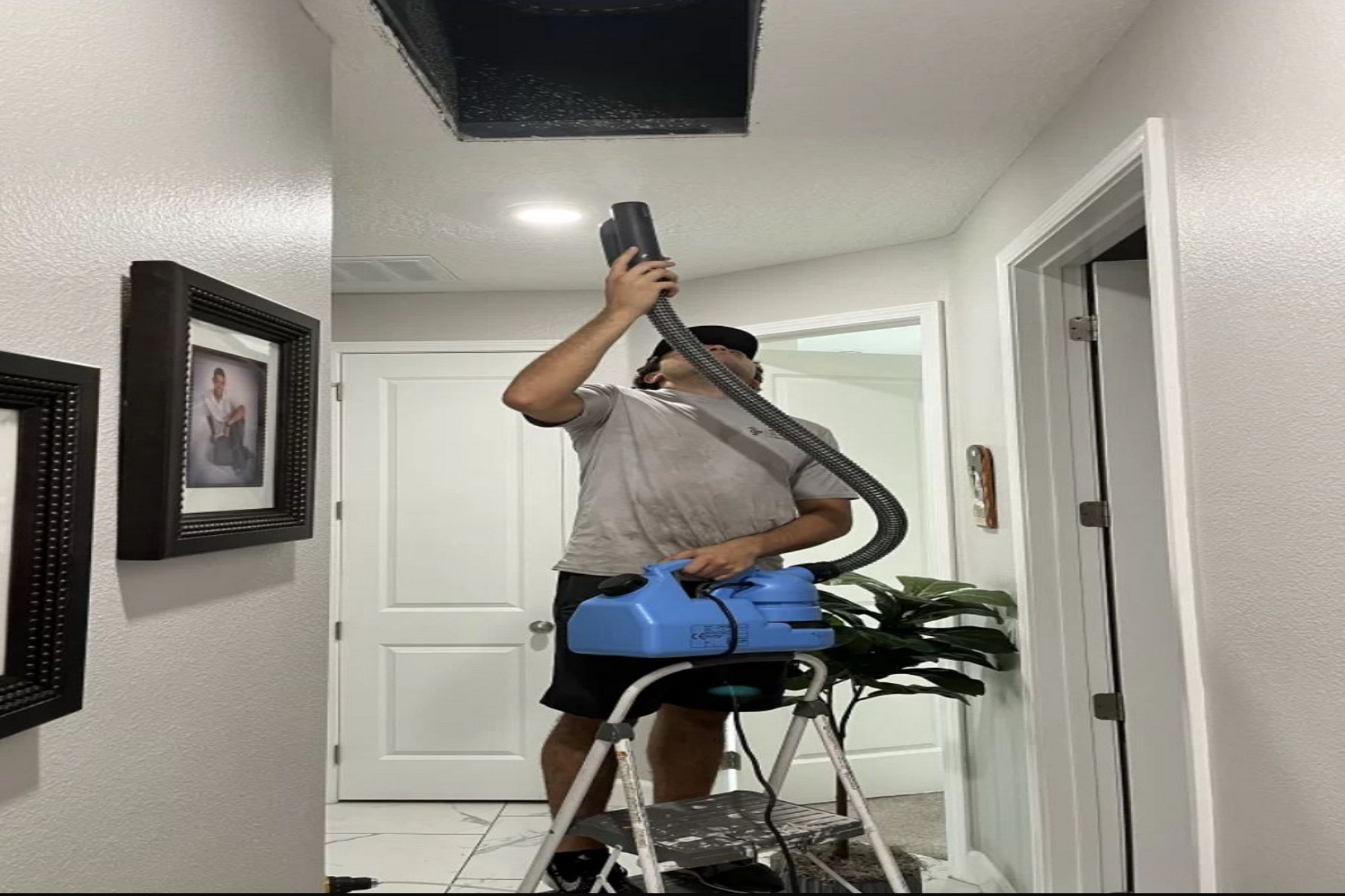
Getting the Ductwork Itself Checked
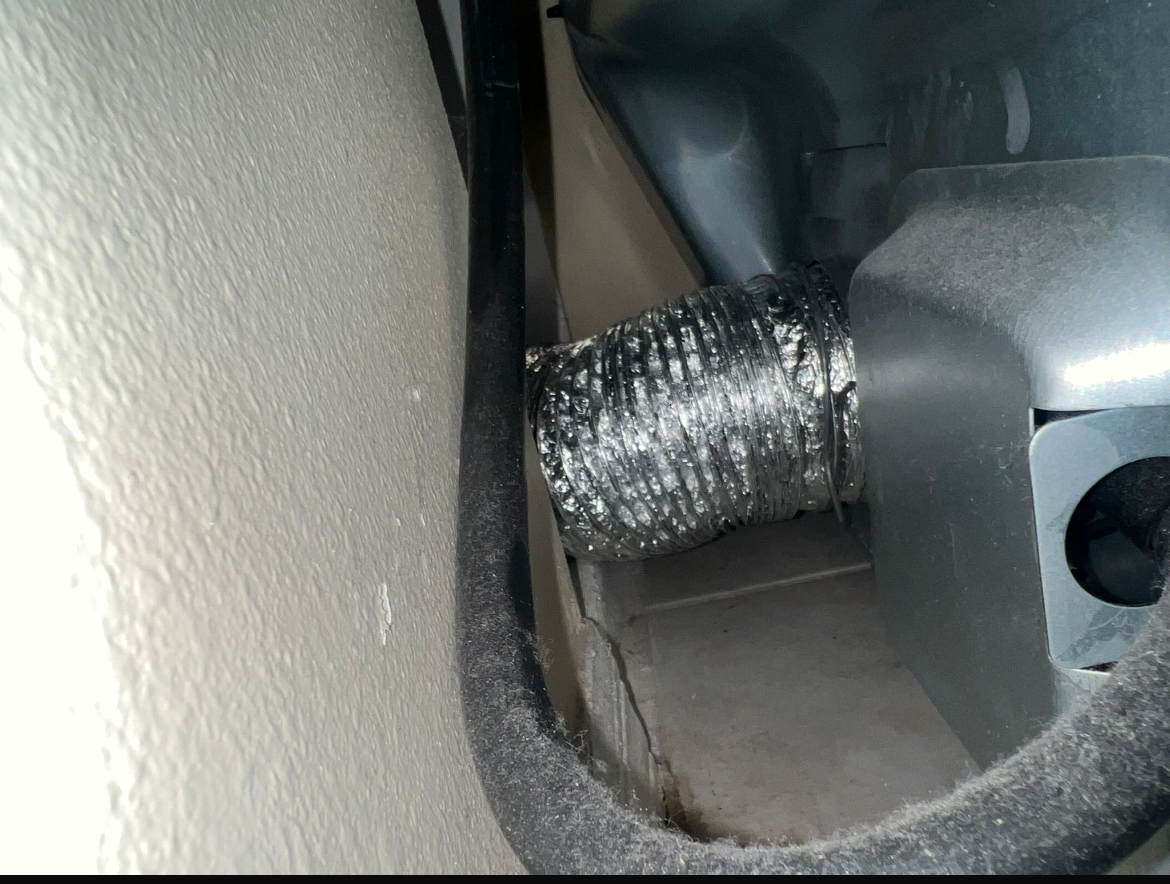
This is where a visual guess from a vent cover only tells you so much. The real story is inside the ductwork — how much has accumulated, whether there’s any moisture intrusion, and whether the buildup is concentrated near certain rooms or spread through the whole system. We’ve cleaned ducts in homes across Boynton Beach, West Palm Beach, Palm Beach Gardens, Jupiter, Hobe Sound, Stuart, Port St Lucie, Fort Pierce, and Vero Beach, and the pattern is pretty consistent: homes that run AC nearly year-round in a humid coastal climate tend to build up residue faster than homes in milder, drier regions.
Clean Quality Air is a family-owned business serving Palm Beach, Martin, and St. Lucie counties, and duct inspections are something we do as a matter of course before recommending any cleaning. If black dust keeps showing up around your vents no matter how often you wipe it away, it’s worth getting a second set of eyes on what’s happening inside the system. Give us a call at (772) 834-9618 or request a free quote, and we’ll help you figure out whether it’s routine buildup or something that needs a closer look.