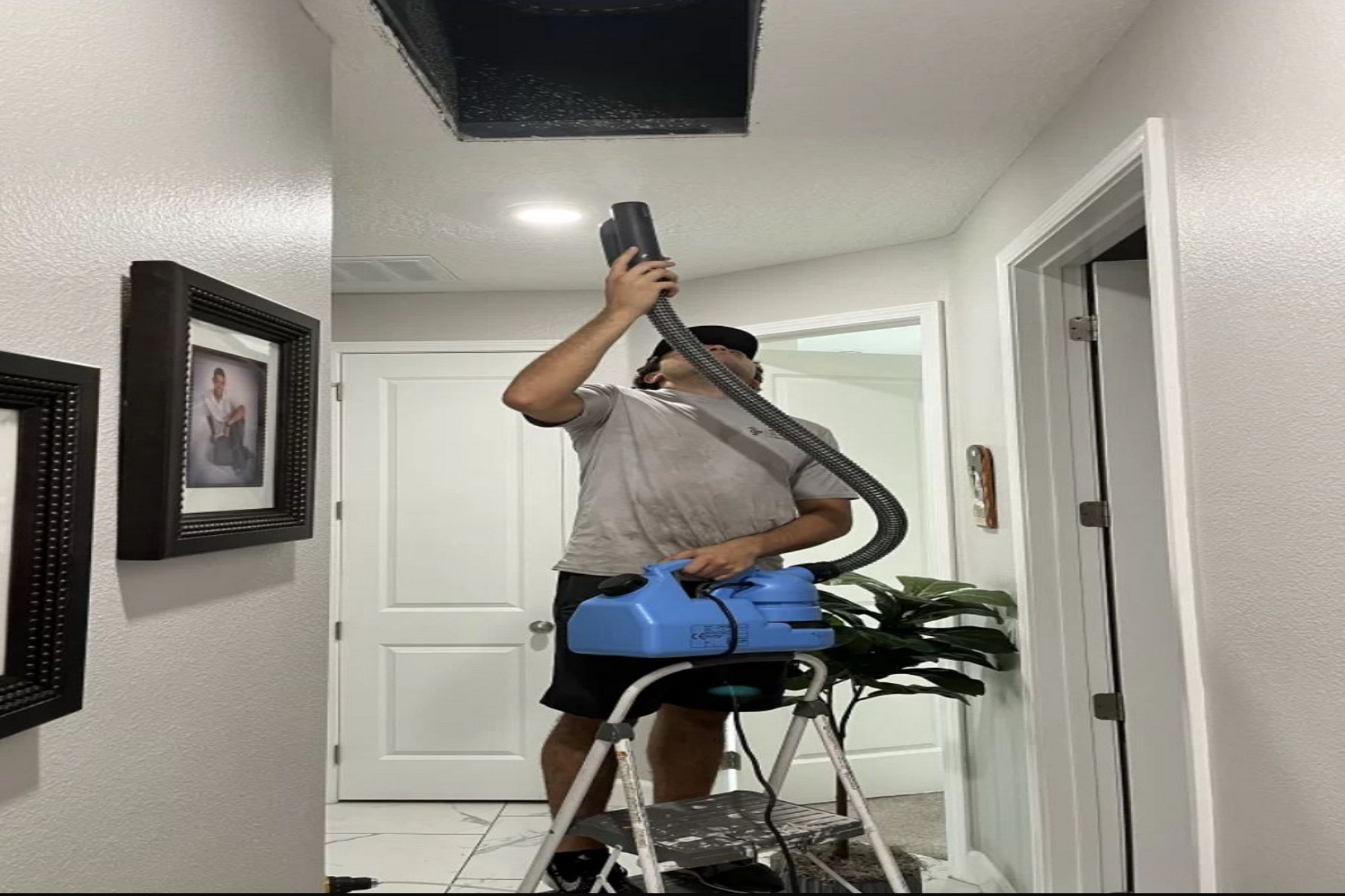
If you’ve never had it done, you probably assume dryer vent cleaning just means vacuuming out some fuzz. So what does dryer vent cleaning remove, really? Lint is the baseline, sure — but after enough years in South Florida homes, from roof-mounted vents in Port St Lucie to long duct runs in Palm Beach Gardens, we’ve pulled out plenty that has nothing to do with laundry at all.
Here’s a straightforward breakdown of what tends to be sitting inside a vent that hasn’t been serviced in a while, and why it matters more than most homeowners realize.
Lint — But Not Just the Kind in Your Trap
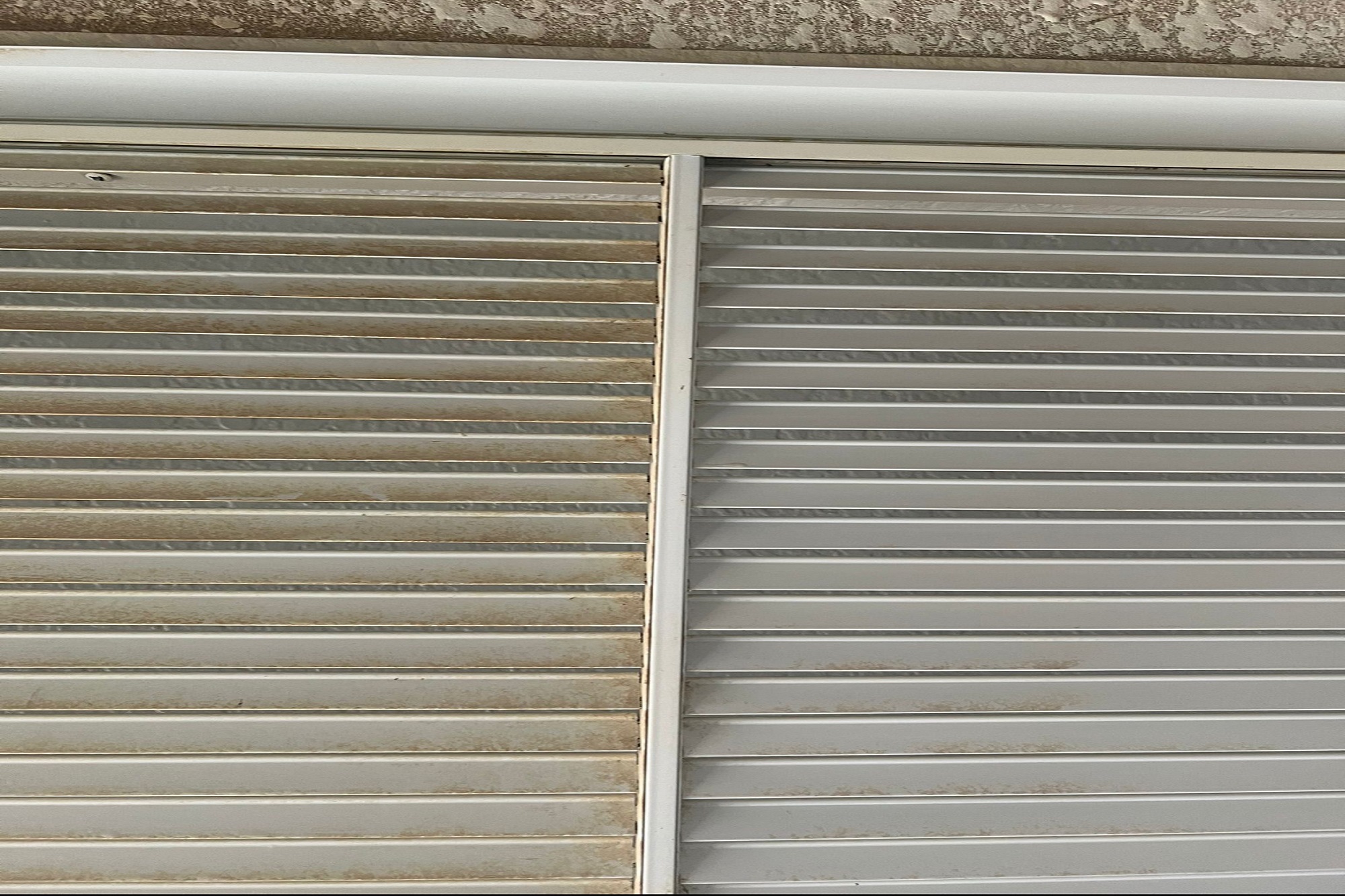
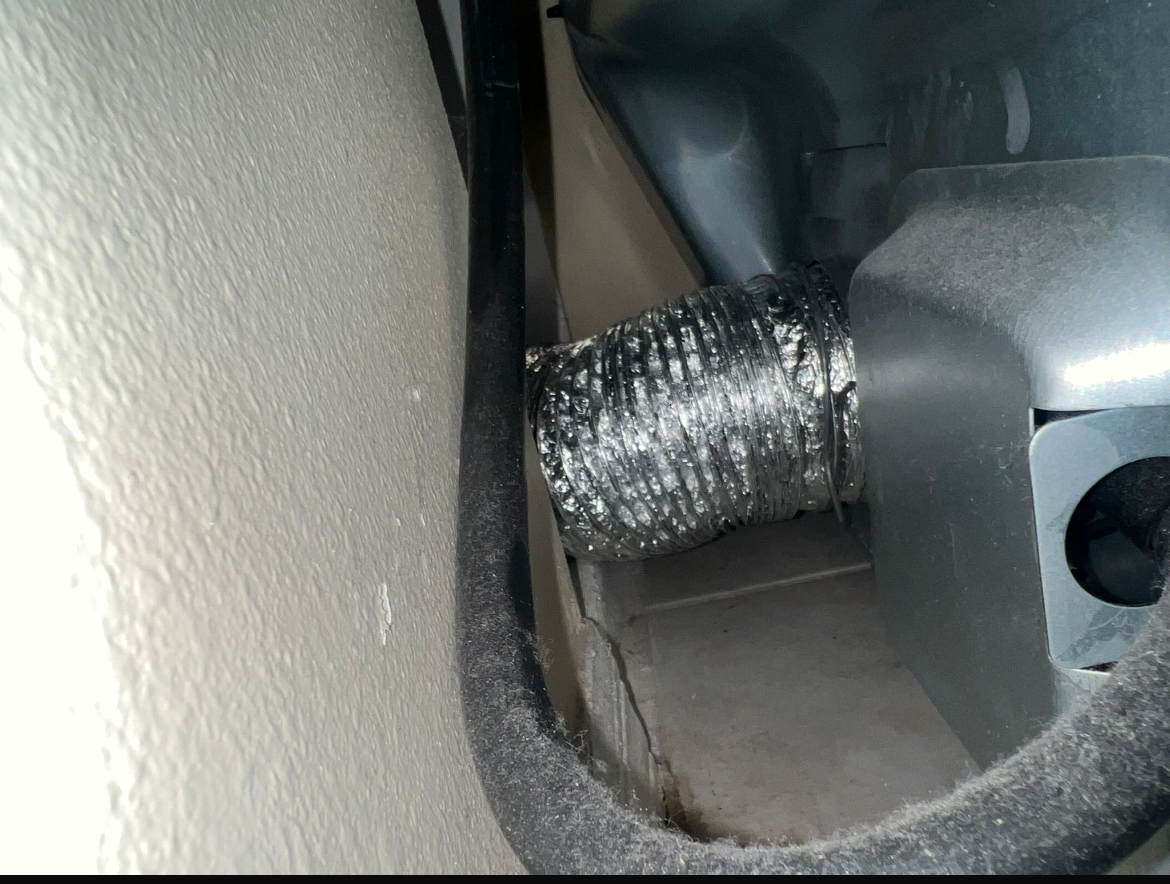
Your lint trap catches maybe the majority of what comes off your clothes in a dry cycle. The rest rides the airflow down the duct. Some of it exits through the vent hood outside. A lot of it doesn’t — it slows down at every bend, every seam, every spot where the duct narrows or changes direction, and it builds a layer that thickens with every load of laundry you run.
Over months and years, that layer stops being a thin coating and starts being a partial blockage. In long vent runs — which are common in two-story homes or houses where the laundry room sits far from an exterior wall — we regularly find lint that has compacted into dense, felt-like mats rather than the loose fluff you’d expect.
Pet Hair and Fabric Debris
If you’ve got dogs, cats, or you just wash a lot of towels and bedding, your vent is dealing with more than plain cotton lint. Pet hair behaves differently in a duct — it tangles, it doesn’t break down the way lint does, and it grabs onto everything else moving past it, acting almost like a net that catches more debris behind it. Fabric fibers from blankets, rugs, and heavier textiles add to that same tangled buildup.
Homes with pets are, in our experience, some of the ones most overdue for a first cleaning, simply because owners don’t realize how much extra material is riding into that duct with every cycle.
Nesting Material From Birds and Pests
This is the one that catches homeowners off guard. The exterior vent flap — the little hood on the outside wall or roof that’s supposed to keep the elements out — is an inviting, sheltered opening for birds, wasps, and other small pests looking for a place to build. If that flap is damaged, stuck open, or just weak on its hinge, it’s an open invitation.
We’ve cleared out:
- Bird nests built just inside the exterior vent opening
- Loose twigs, grass, and debris pushed in by nesting activity
- Wasp and insect nests along the vent hood and first few feet of ductwork
- Leaves and yard debris pulled in through a poorly sealed or broken flap
None of that belongs anywhere near a dryer vent, and all of it restricts airflow even more aggressively than lint alone. On roof-mounted dryer vents especially, which we see often in this region, the exterior hood is exposed to more weather and more wildlife activity than a wall vent tucked under an eave.
Built-Up Debris in Long or Bent Vent Runs
The layout of your ductwork matters as much as how often you dry clothes. A short, straight shot from dryer to exterior wall clears itself out fairly well on its own. A vent with multiple 90-degree turns, or one that has to travel 15, 20, 30 feet through walls and ceilings before reaching the outside, is a different story entirely.
Every bend is a spot where airflow slows down and debris has a chance to settle instead of exiting the home. That’s exactly why longer runs need more frequent attention — the same volume of laundry produces a lot more accumulated debris in a winding duct than in a direct one.
Why It’s Worth Knowing What’s in There
A vent that’s working properly should exhaust hot, moist air outside quickly and completely. When lint, pet hair, nesting material, or compacted debris narrow that pathway, your dryer has to work harder and run longer to get clothes dry — and a clogged dryer vent is a well-known cause of home dryer fires, which is reason enough on its own to keep it clear.
Knowing what does dryer vent cleaning remove isn’t just trivia. If you’re noticing your dryer running hotter than usual, taking multiple cycles to dry a normal load, or if you’ve simply never had the vent checked since moving in, there’s a good chance one or more of the things above is sitting in your ductwork right now.
Serving Homes Across the Treasure Coast and Palm Beach County
Clean Quality Air is a family-owned business based in Boynton Beach, and we service homes throughout Palm Beach County, Martin County, and St. Lucie County — from West Palm Beach and Palm Beach Gardens down through Jupiter and Hobe Sound, up through Stuart and Port St Lucie to Fort Pierce and Vero Beach. That wide coverage means we see a lot of different vent configurations, roof mounts, and exterior conditions, and it’s given us a pretty clear picture of what accumulates and where.
If it’s been a while since anyone has looked inside your dryer vent, give us a call at (772) 834-9618 or request a free quote from Clean Quality Air. We’ll take a look, show you what’s actually in there, and get it cleared out properly.