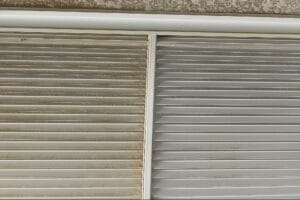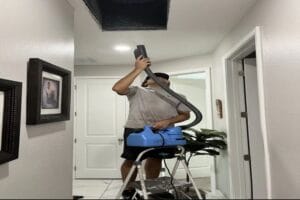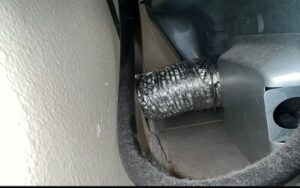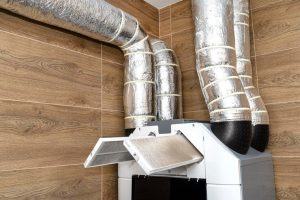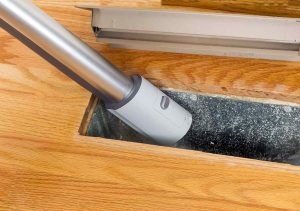
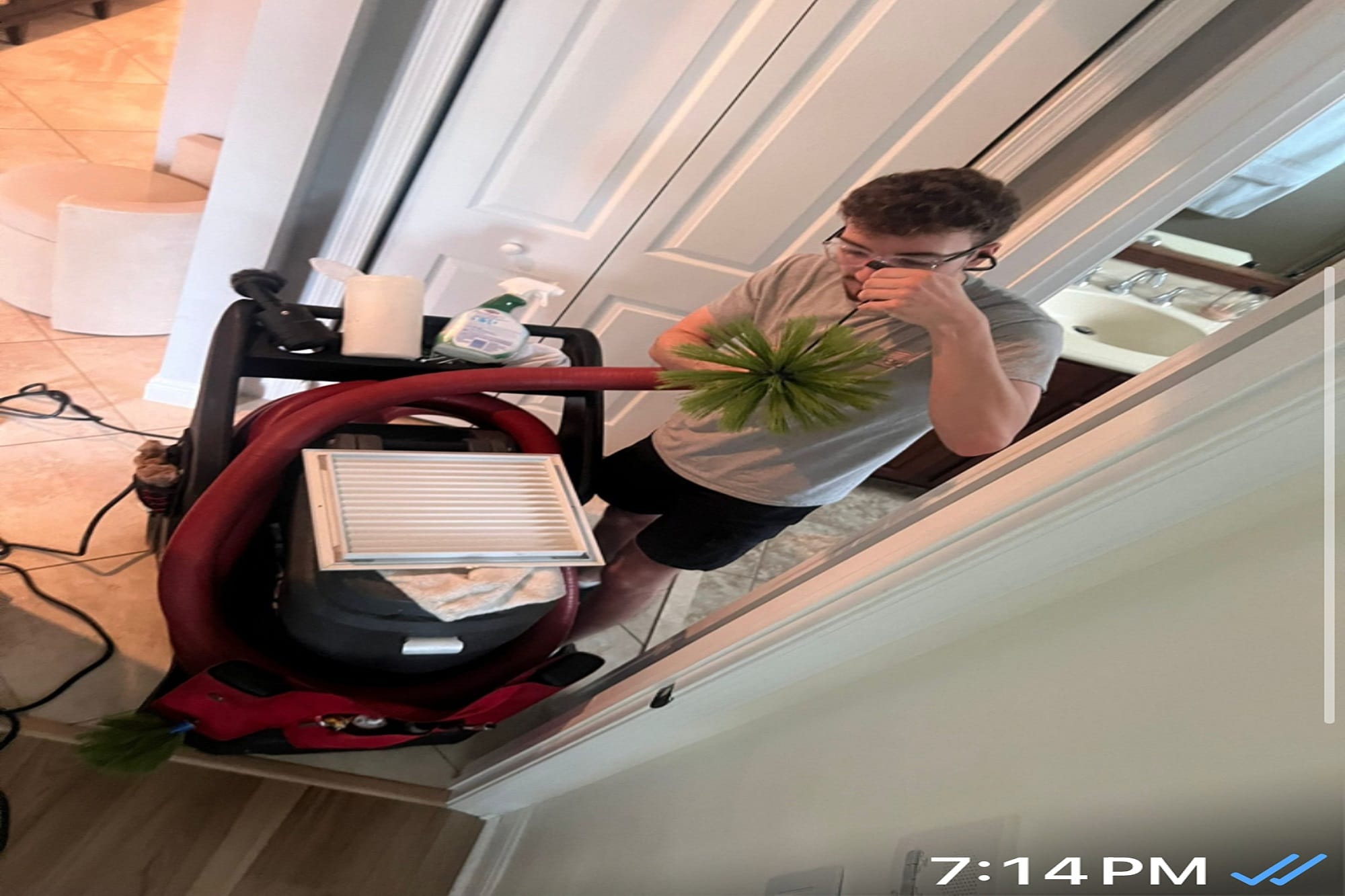
If you’ve spent any time researching duct cleaning, you’ve seen the photos: a grimy, dust-caked vent cover next to a shiny clean one, or a dark, debris-packed duct interior next to a bright metal one. Air duct cleaning before after photos are the single most common piece of "proof" companies use to sell their work — but not all of them mean what they seem to. Some are genuinely honest documentation. Others are staged, mismatched, or borrowed from stock photo sites entirely. Knowing the difference matters more than the photos themselves.
This isn’t about any one company. It’s about learning to evaluate what you’re being shown, whether you’re comparing quotes in Boynton Beach, West Palm Beach, or anywhere else along the Treasure Coast.
Why Before-and-After Photos Are So Easy to Fake
The dirty truth about "dirty duct" photos is that a close-up shot of a filthy vent cover doesn’t actually prove anything about your ductwork. Vent covers collect surface dust just from sitting in a room — they’re the easiest, cheapest thing to photograph because almost any vent cover looks dramatic under the right lighting after a few months of normal household dust.
A truly useful before photo needs to show something deeper: the inside of the duct run itself, ideally with a camera or borescope, not just the grille you can unscrew in ten seconds. If every "before" photo a company shows you is just a dusty cover plate, that’s a company showing you the easy shot, not the real one.
What Legitimate Photos Actually Look Like
Real documentation has a few consistent traits. When you’re comparing companies, look for:
- Matching angles and lighting. The before and after should be shot from the same position in the same duct section — not a dim, shadowy "before" next to a brightly lit "after" that makes the contrast look bigger than it is.
- Visible landmarks. A seam, a screw, a joint, or some other fixed feature should appear in both shots so you can tell it’s actually the same spot in your home, not a generic stock image.
- Depth into the duct, not just the register. Ask to see footage or photos from inside the main trunk lines, not only the vent covers in each room.
- Reasonable, not theatrical, results. A duct that’s genuinely been cleaned should look noticeably clearer — but sterile, chrome-shiny interiors in every single photo can be a sign of stock imagery rather than an actual job.
- Photos that match your specific job. If you never got a text, email, or in-person look at your own ducts, be cautious about generic "results" shown on a website or social post.
Red Flags Worth Watching For
A few patterns tend to separate honest marketing from misleading marketing:
- The "before" photo shows a component that isn’t even part of a duct system — sometimes companies use dryer lint trap photos or unrelated debris shots to manufacture shock value.
- Every before-and-after pair on a company’s site looks identical in composition, as if they’re all cropped from the same handful of stock photos rather than actual job sites.
- There’s no context about what type of home, system age, or duct material is shown — a 20-year-old duct system in a home that’s never been cleaned will naturally look far more dramatic than a well-maintained one, and that’s not necessarily a reflection of the company’s skill.
- The company can’t answer basic questions about your own ducts — like material type, approximate age, or whether they found anything unusual — because they never really looked closely in the first place.
Ask to See Your Own Ducts, Not Just Their Portfolio
The single best way to cut through marketing photos is to ask for documentation of your own home, not a company’s highlight reel. A company confident in its work should be willing to show you camera footage or photos from your specific duct system, both before the crew starts and after they finish. That gives you something a stock photo never can: proof tied directly to your house.
This is also a fair question to ask about dryer vents, which get overlooked far more than air ducts. Roof-mounted dryer vents in particular build up lint in ways you can’t see from inside the laundry room, and a company that documents that buildup — and then documents it cleared — is showing you something concrete rather than a marketing graphic.
Why This Matters More in South Florida
Humidity, sandy debris, and heavy AC run-time all mean South Florida ductwork accumulates differently than it might in a drier climate. That’s part of why we serve such a wide stretch of the region — Palm Beach County down through Martin and St. Lucie counties, from Boynton Beach and Jupiter to Stuart, Port St Lucie, and Vero Beach. Conditions and duct age vary a lot from one neighborhood to the next, which is exactly why generic stock photos tell you so little compared to documentation of your actual system.
When you’re evaluating air duct cleaning before after photos from any company, the goal isn’t to be suspicious of everyone — it’s to know what real documentation looks like so you can tell it apart from a marketing shortcut. Ask questions, ask for footage of your own home, and don’t be swayed by a dramatic photo pair alone.
If you’re in Boynton Beach, West Palm Beach, Palm Beach Gardens, Jupiter, Hobe Sound, Stuart, Port St Lucie, Fort Pierce, Vero Beach, or anywhere in between and want a straightforward look at what’s actually going on in your ducts or dryer vent, give Clean Quality Air a call at (772) 834-9618 or request a free quote. We’re a family-owned local company, and we’re happy to show you exactly what we find in your own system — not a stock photo.