If you own a rental property anywhere along the Treasure Coast or Palm Beach County, air duct cleaning rental property maintenance probably isn’t on your radar the way roof inspections or AC tune-ups are. It should be. Ducts sit behind the scenes, out of view of every walkthrough, quietly collecting whatever the last tenant’s lifestyle left behind — and then blowing it straight at the next one.
South Florida’s rental market makes this worse than almost anywhere else in the country. Between the humidity, AC systems that run nearly year-round, and the sheer volume of tenant turnover in seasonal and vacation rentals, ductwork here works harder and gets dirtier faster than in most climates. Landlords who ignore it usually find out the hard way — through a complaint, a bad review, or a maintenance call that didn’t need to happen.
What Builds Up Between Tenants
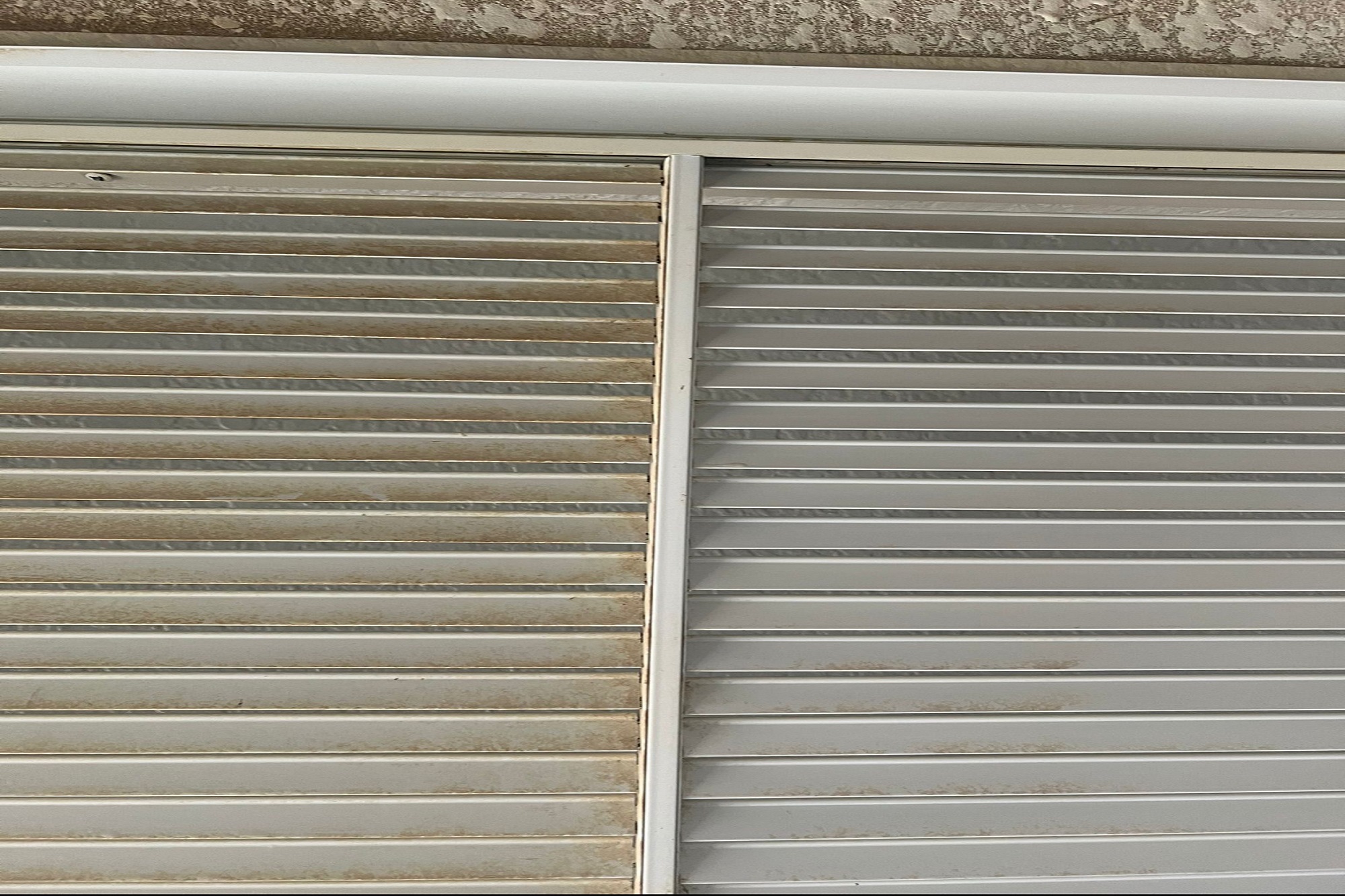
Every tenant leaves something behind in the ductwork, even if the unit looks spotless. Common culprits include:
- Pet dander and hair from tenants who had animals, even if your lease said no pets
- Dust and construction debris from any painting, flooring, or renovation work done between leases
- Cooking residue that settles in vents near kitchens, especially in smaller units and condos
- Smoke particles from cigarettes or vaping, which cling to duct interiors far longer than they linger in the air
- General household dust that accumulates over months or years of normal living
None of that shows up on a standard move-out inspection. You can repaint the walls, replace the carpet, and deep-clean every surface a tenant can see, and the ductwork will still be circulating whatever built up over the previous lease term.
The Liability Angle Landlords Overlook
Indoor air quality complaints are one of the more frustrating disputes a landlord can face, mostly because they’re hard to prove or disprove after the fact. A new tenant moves in, starts sneezing constantly, and assumes it’s the unit. Maybe it’s seasonal allergies. Maybe it’s something in the ductwork that’s been there since before you owned the property. Either way, you’re the one fielding the message.
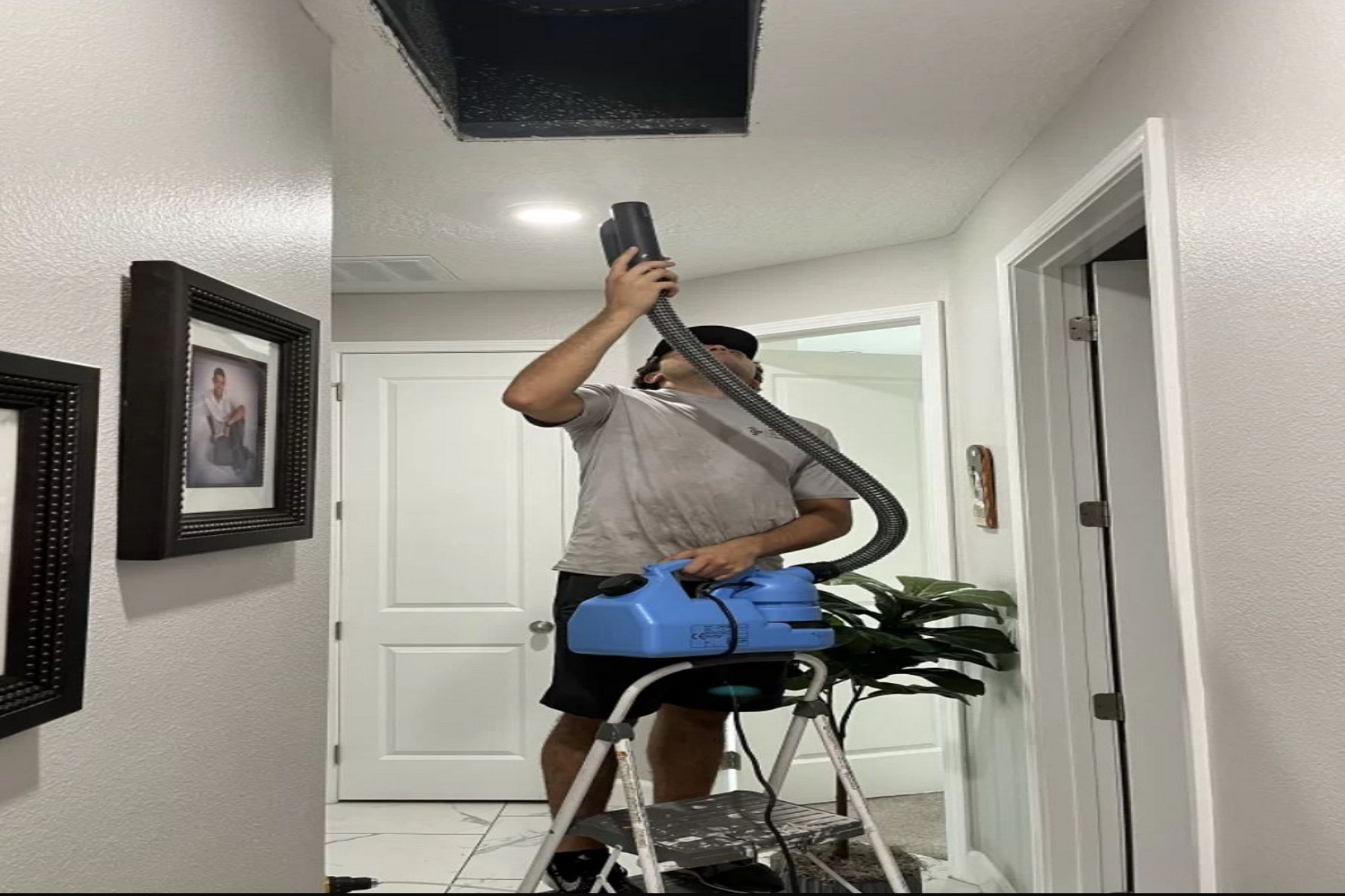
Having your air ducts cleaned as part of routine turnover gives you something most landlords don’t have: a documented answer. If a tenant raises an air quality concern, you can point to a service date and know the ductwork wasn’t the source. That’s a much stronger position than guessing, and it can head off a dispute before it escalates into a lease-break request or a bad online review.
Vacation and Short-Term Rentals Face a Different Set of Risks
If your property is a short-term or vacation rental anywhere from Jupiter down through Hobe Sound, Stuart, or Port St Lucie, the math changes. Instead of one tenant turnover every year or two, you might have a dozen different guests cycling through in a single month. Each one brings suitcases, beach gear, sand, sunscreen residue, and whatever allergens they carry with them, and the AC is running nearly nonstop to keep up.
Guest reviews in this market live and die on comfort and cleanliness. A guest who notices a musty smell or dusty vents when the AC kicks on is a guest who mentions it in a review, and that review sits there for the next year of bookings to read. Regular duct service is cheap insurance against that specific kind of damage — the kind that doesn’t cost you a repair bill but costs you bookings.
Where Duct Cleaning Fits Into a Turnover Routine
You don’t need to clean ducts before every single tenant, but there are natural checkpoints where it makes sense:
- Before listing a unit that’s been vacant for more than a few weeks — dust settles fast in an empty property with the AC cycling
- After any tenant with pets, regardless of what the lease allowed
- Following renovation or repair work, since drywall dust and debris get pulled directly into the return vents
- On a standing annual schedule for long-term rentals, so it’s never something you have to remember to trigger
- Between every guest cycle or seasonally for short-term and vacation rentals, given the volume of turnover
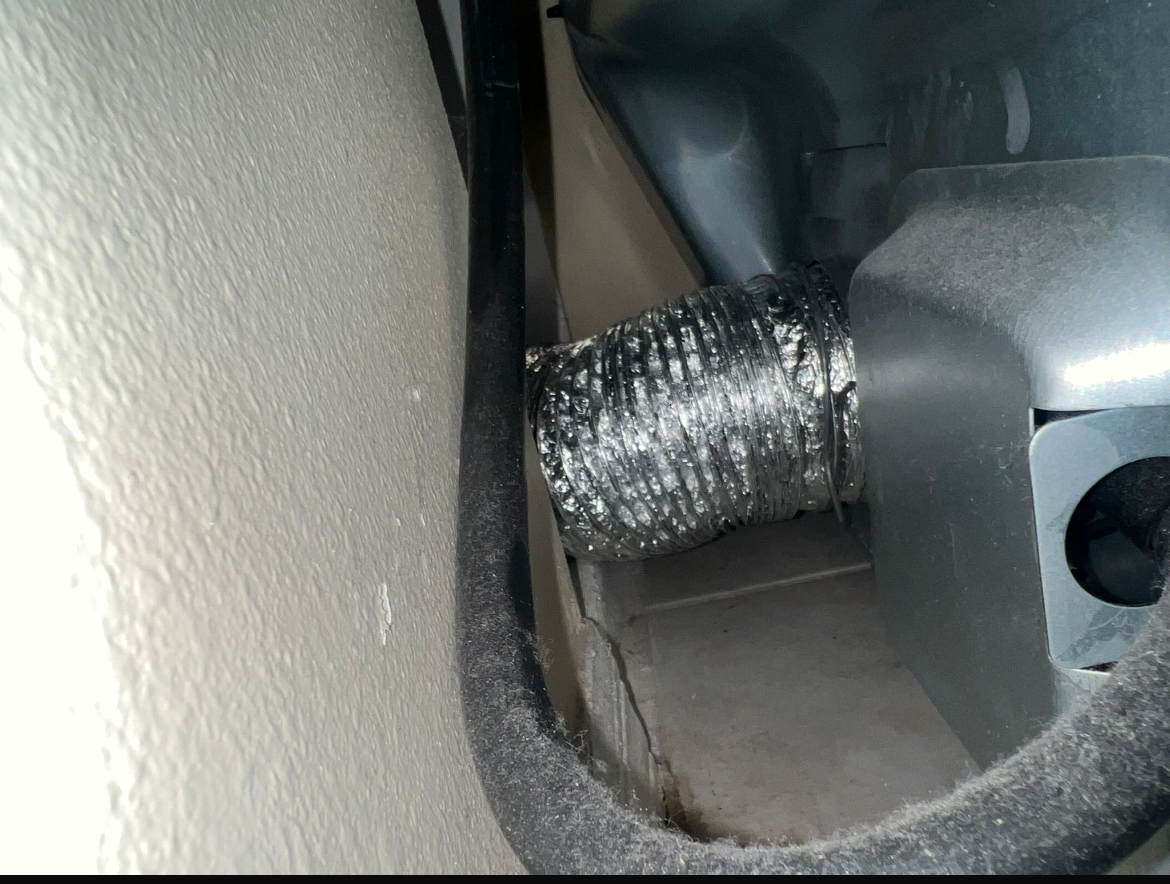
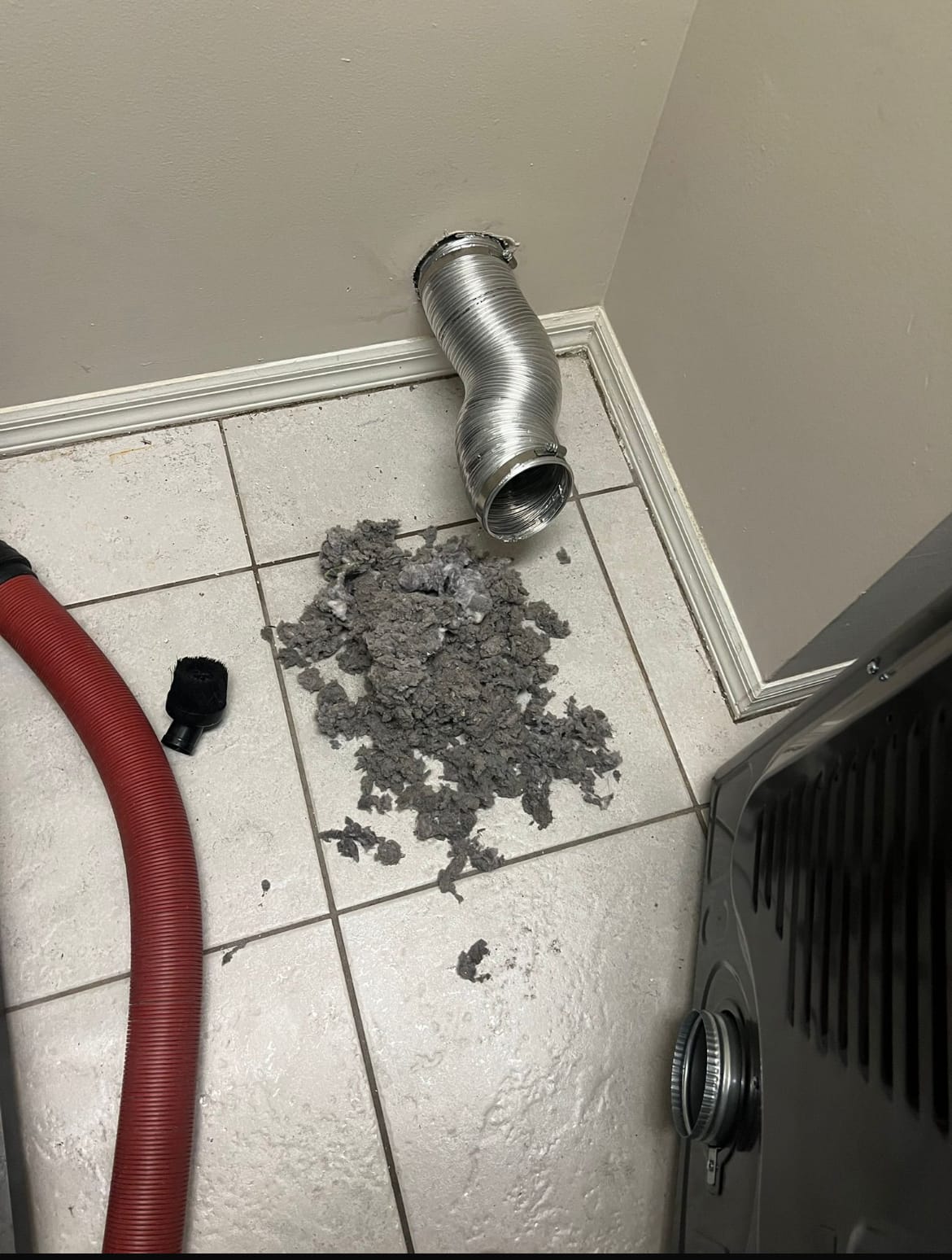
Dryer vents deserve a spot on that same checklist. A clogged dryer vent is a well-known cause of home dryer fires, and rental properties are especially exposed because tenants rarely think to mention a dryer that’s taking longer than usual to dry a load — they just run it twice and move on. For properties with roof-mounted dryer vents, which show up often in condos and multi-unit buildings across our service area, that blockage can go unnoticed even longer since it’s not something anyone walks past.
Protecting the Investment, Not Just the Unit
Clean ductwork isn’t just about tenant comfort. A duct system clogged with debris makes your HVAC unit work harder to push air through, which translates into higher utility bills that either land on you or get blamed on an inefficient AC system by a tenant who doesn’t know the real cause. Over time, that extra strain shortens the life of equipment you’d rather not replace early.
For landlords managing multiple properties across Palm Beach, Martin, and St. Lucie counties, building duct cleaning into your standard turnover process is a small, predictable expense compared to the alternative — an unhappy tenant, a lease dispute, or an HVAC repair that could’ve been avoided.
Clean Quality Air works with landlords and property managers across Boynton Beach, West Palm Beach, Palm Beach Gardens, Jupiter, Hobe Sound, Stuart, Port St Lucie, Fort Pierce, and Vero Beach, and we’re a family-owned business that understands what turnover timelines actually look like. If you’re managing one rental or a portfolio of them, give us a call at (772) 834-9618 or request a free quote to talk through a service schedule that fits your properties.