When you’re preparing a nursery, you probably think about paint colors, crib safety, and swaddle blankets before you think about indoor air quality. But a newborn baby breathes faster than an adult, spends nearly 20 hours a day sleeping in the same room, and has lungs and airways that are still developing. That makes the air circulating through your home one of the more overlooked parts of newborn care — worth a few minutes of attention before baby comes home, not after something feels off.
This isn’t about turning your house into a sterile bubble. It’s about understanding what’s actually moving through your HVAC system and your nursery air, and making a few practical adjustments that any parent in Boynton Beach, West Palm Beach, or the Treasure Coast can handle without much fuss.
Why Newborns Are More Sensitive to What’s in the Air
A newborn’s respiratory system is doing a lot of new work. Their airways are smaller, their breathing rate is quicker, and their immune system hasn’t had much practice yet. None of that means every household dust particle is a crisis — but it does mean that the cumulative stuff floating around your home (dust, pet dander, pollen tracked in from outside, whatever has settled in the ductwork over the years) has a more direct path to a small set of developing lungs than it does to yours.
South Florida adds its own wrinkle. Between the humidity and how much time HVAC systems run here — often nearly year-round — homes in Palm Beach, Martin, and St. Lucie counties tend to push a lot of conditioned air through the same ducts, over and over, for months at a stretch. Whatever has accumulated in that system gets recirculated right along with the cool air.
The Nursery Isn’t Just the Room — It’s the Whole HVAC System
Parents often focus on cleaning the nursery itself: wiping surfaces, washing linens, keeping the floor clear. That’s all worthwhile, but the air reaching that room came from somewhere. If your ducts haven’t been cleaned in a while, that air passed through a system that may be holding onto dust, debris, and whatever else has settled in the vents over time.
A few things worth knowing about the connection between your ductwork and the air your baby breathes:
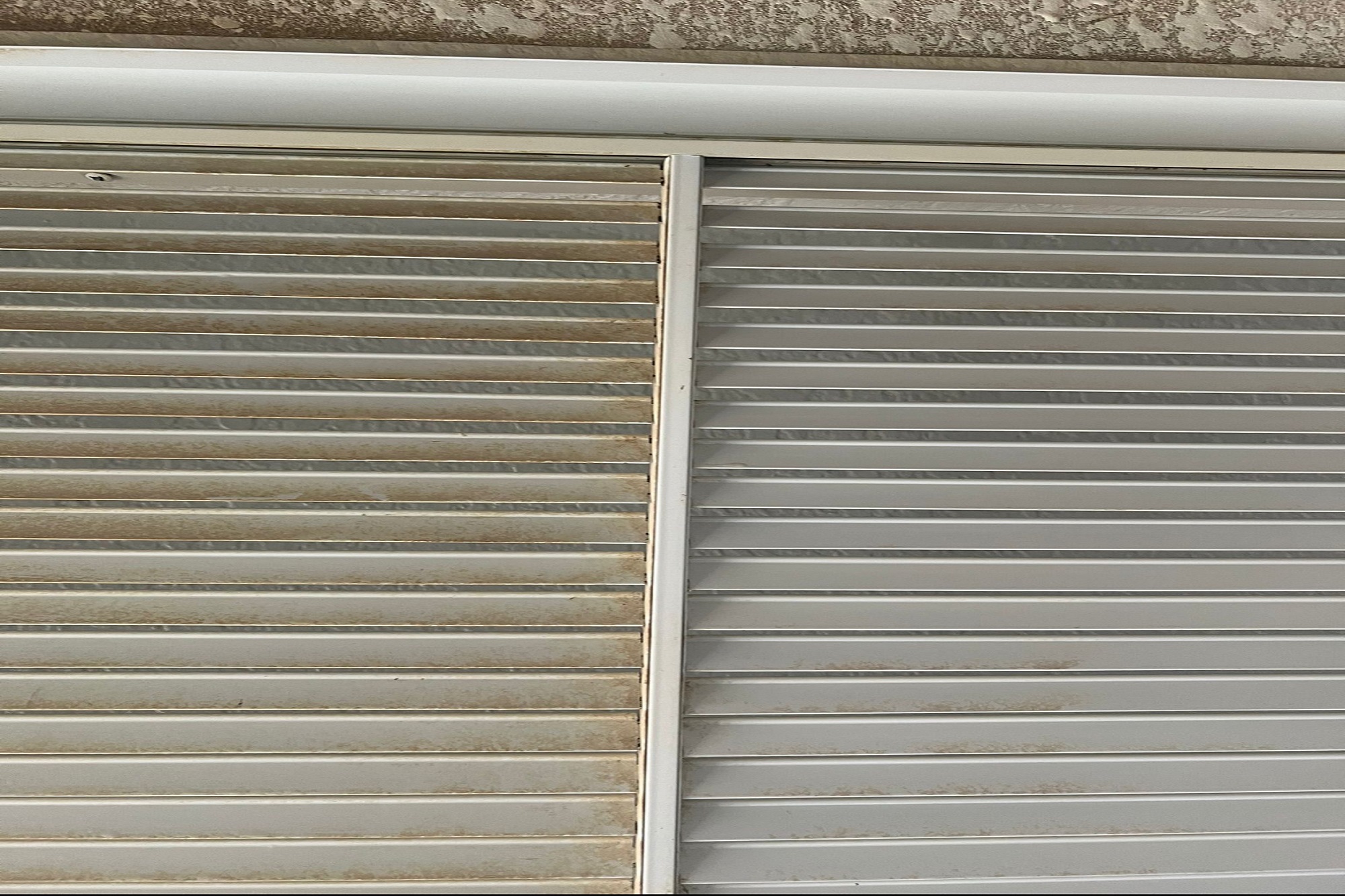
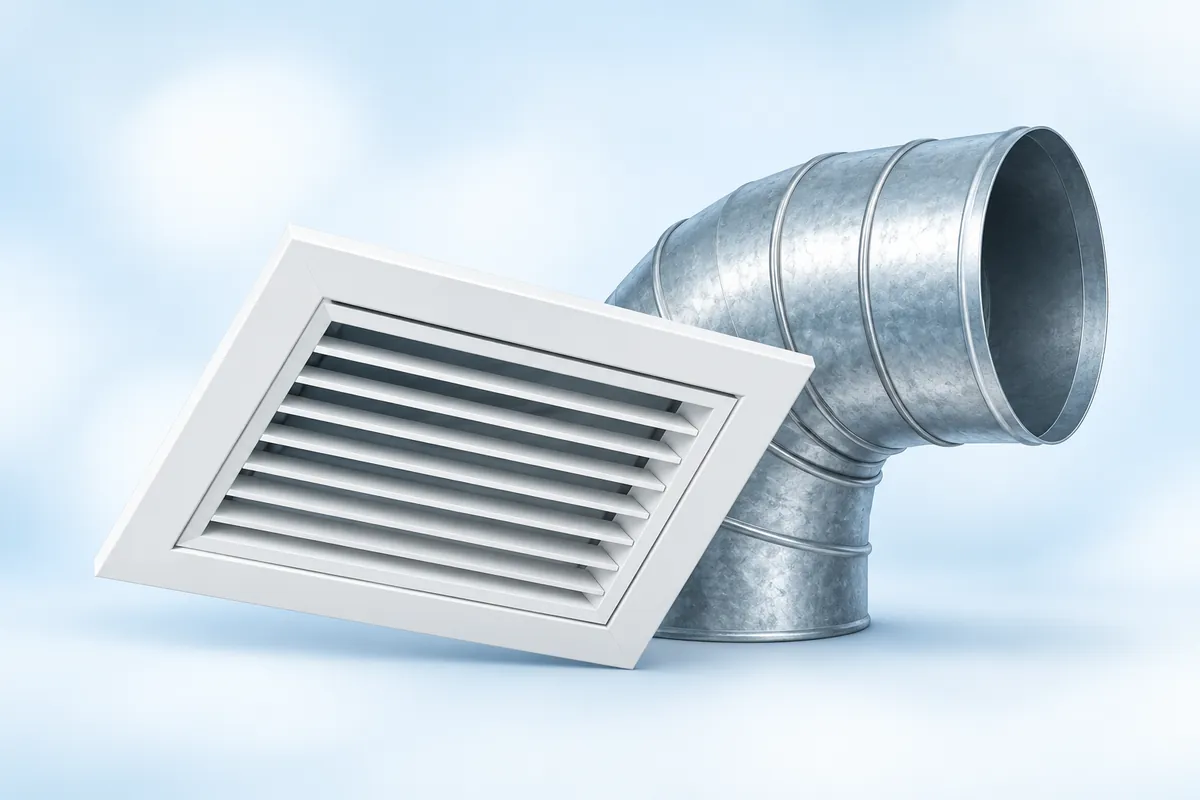
- Vent covers matter more than people think. Dust and buildup around supply and return vents in or near the nursery can get stirred into the room every time the system kicks on.
- Registers get overlooked during regular cleaning. Most household cleaning routines don’t touch the inside of a duct or the grille behind a vent cover — it’s just not visible day to day.
- Closed-up nurseries recirculate the same air repeatedly. A room that stays closed for naps and overnight sleep depends heavily on the HVAC system to bring in fresh, clean airflow rather than just moving the same air around.
Practical Steps for New Parents
You don’t need to overhaul your whole house before the baby arrives. A few focused steps go a long way toward better indoor air quality for a newborn baby without turning into a full-time project.
- Check your air filter and actually replace it on a schedule rather than whenever you remember. A clogged filter does less filtering and can strain your system.
- Vacuum and dust the nursery regularly, including baseboards, blinds, and vent covers — the spots that get skipped in a normal cleaning pass.
- Keep an eye on humidity. South Florida’s moisture levels can encourage dust mites and mold growth if a room stays damp, which is worth watching in a nursery that runs a humidifier or sits near a bathroom.
- Have your ducts inspected if you don’t know when they were last cleaned. Many homeowners genuinely have no idea — it’s not something that comes up until someone asks.
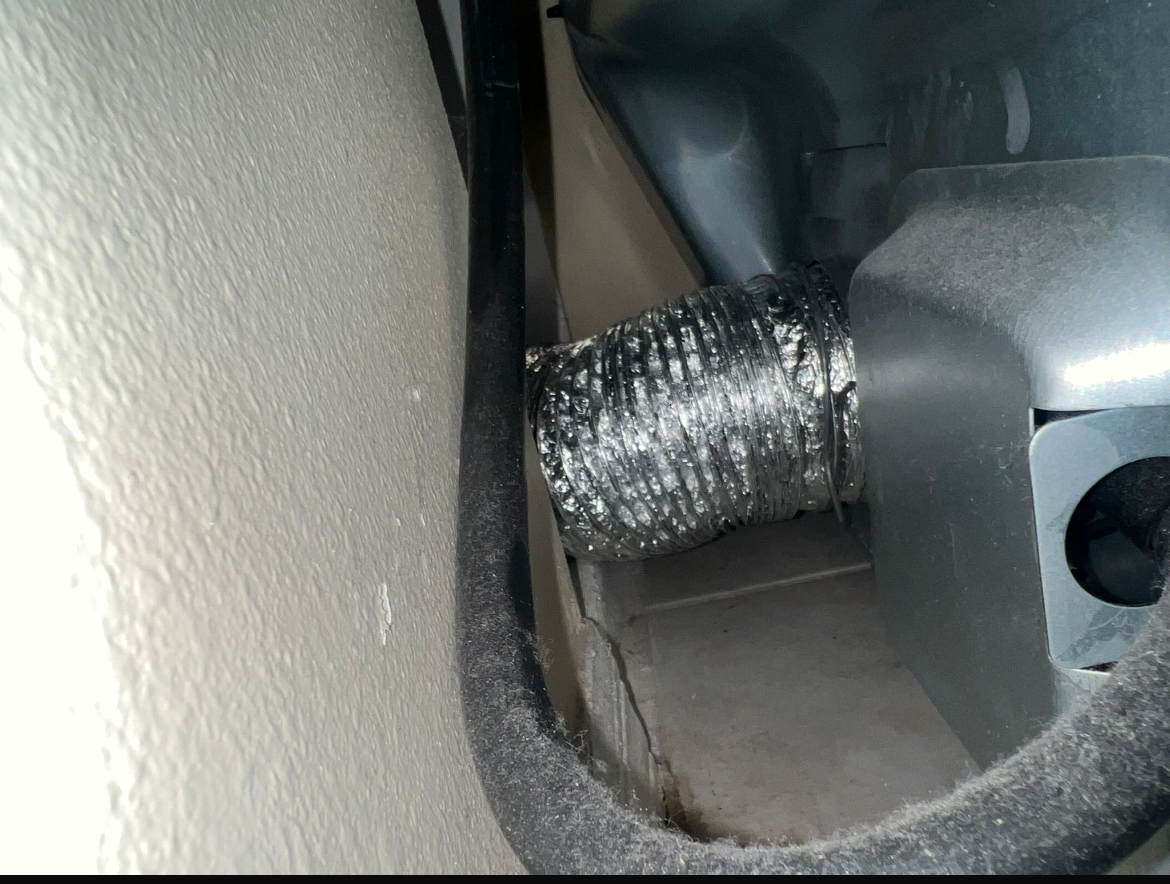
- Don’t forget the dryer vent if you’re doing a lot more laundry now that there’s a baby in the house. A clogged dryer vent is a well-known cause of home dryer fires, and it also means moist, lint-heavy air isn’t venting outside the way it should.
What Air Duct Cleaning Actually Changes
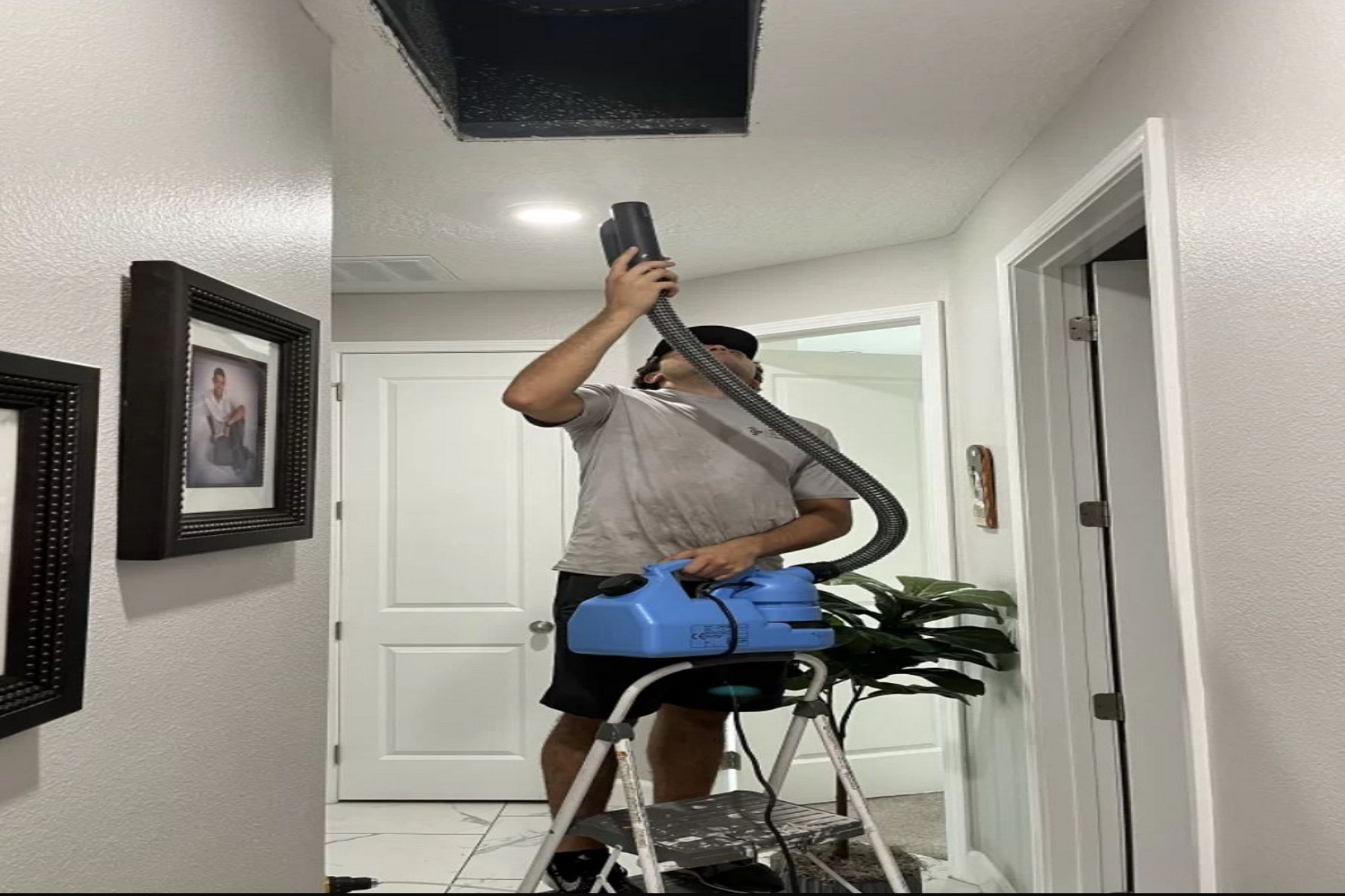
Air duct cleaning isn’t a magic fix, and any business that promises it will cure allergies overnight isn’t being straight with you. What it does is remove the dust, debris, and buildup that’s accumulated in the ductwork itself — the part of the system nobody sees and almost nobody thinks to clean. For a household bringing home a newborn, that means the air moving into the nursery through the vents isn’t carrying along years of settled dust every time the AC cycles on.
It pairs well with the basics: a properly maintained filter, regular dusting, decent humidity control, and clean vent covers. None of these steps individually solves everything, but together they add up to a noticeably cleaner air environment for a baby who’s going to spend most of their first several months breathing whatever is circulating through that one room.
When to Get Your System Looked At
If you’ve just moved into a new home, haven’t had your ducts serviced in years, or you’re noticing more dust settling around vents than usual, it’s a reasonable time to have someone take a look — especially with a due date on the calendar. Clean Quality Air is a family-owned business serving Boynton Beach, West Palm Beach, Palm Beach Gardens, Jupiter, Hobe Sound, Stuart, Port St. Lucie, Fort Pierce, and Vero Beach, covering Palm Beach, Martin, and St. Lucie counties. We handle residential and commercial air duct cleaning, dryer vent cleaning (including roof-mounted vents), and vent cover cleaning for households across that whole corridor.
If you’re getting a nursery ready or just want a clearer picture of what’s moving through your home’s air, give us a call at (772) 834-9618 or request a free quote. It’s a small step to take before baby comes home — and one less thing to wonder about later.