If you’ve lived on the Treasure Coast or in Palm Beach County through more than one summer, you already know the drill: by June, the air outside feels like a warm towel, and it doesn’t really let up until October. That’s Florida rainy season HVAC humidity in a nutshell, and it puts a different kind of stress on your ductwork than the dry-season months do. Your air conditioner isn’t just fighting heat anymore — it’s fighting moisture, all day, every day, for roughly five months straight. Understanding what that does inside your ducts can save you from a much bigger problem than a dusty vent.
Why Humidity Is Harder on Ductwork Than Heat Alone
Heat is a temperature problem. Humidity is a moisture problem, and moisture is what actually damages ductwork over time. When outdoor humidity climbs into the 80-90% range for weeks on end, your HVAC system has to work overtime to pull that water vapor out of the air along with cooling it. Ductwork that runs through an attic, a garage, or any unconditioned space becomes the meeting point between cold, conditioned air moving through the ducts and warm, saturated air pressing in from outside.
That temperature difference is exactly the setup that creates condensation. It’s the same reason a cold glass of sweet tea sweats on your porch in July — except instead of a coaster catching the drips, it’s insulation, drywall, or the inside of a duct run catching it, sometimes for months without anyone noticing.
Where Condensation Actually Forms in Your System
Condensation during rainy season doesn’t show up in just one spot. A few of the most common places we see it in homes across Palm Beach, Martin, and St. Lucie counties:
- Poorly insulated duct sections — where the metal or flex duct surface gets cold enough to sweat against warm attic air
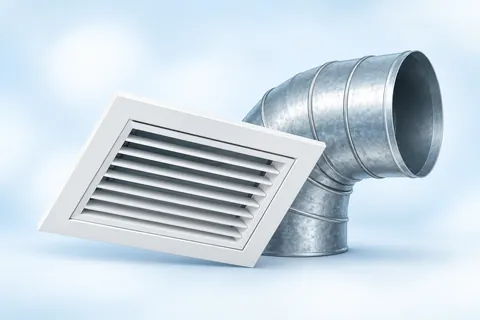
- Duct joints and seams — small gaps let humid air infiltrate and meet the cooler air stream inside
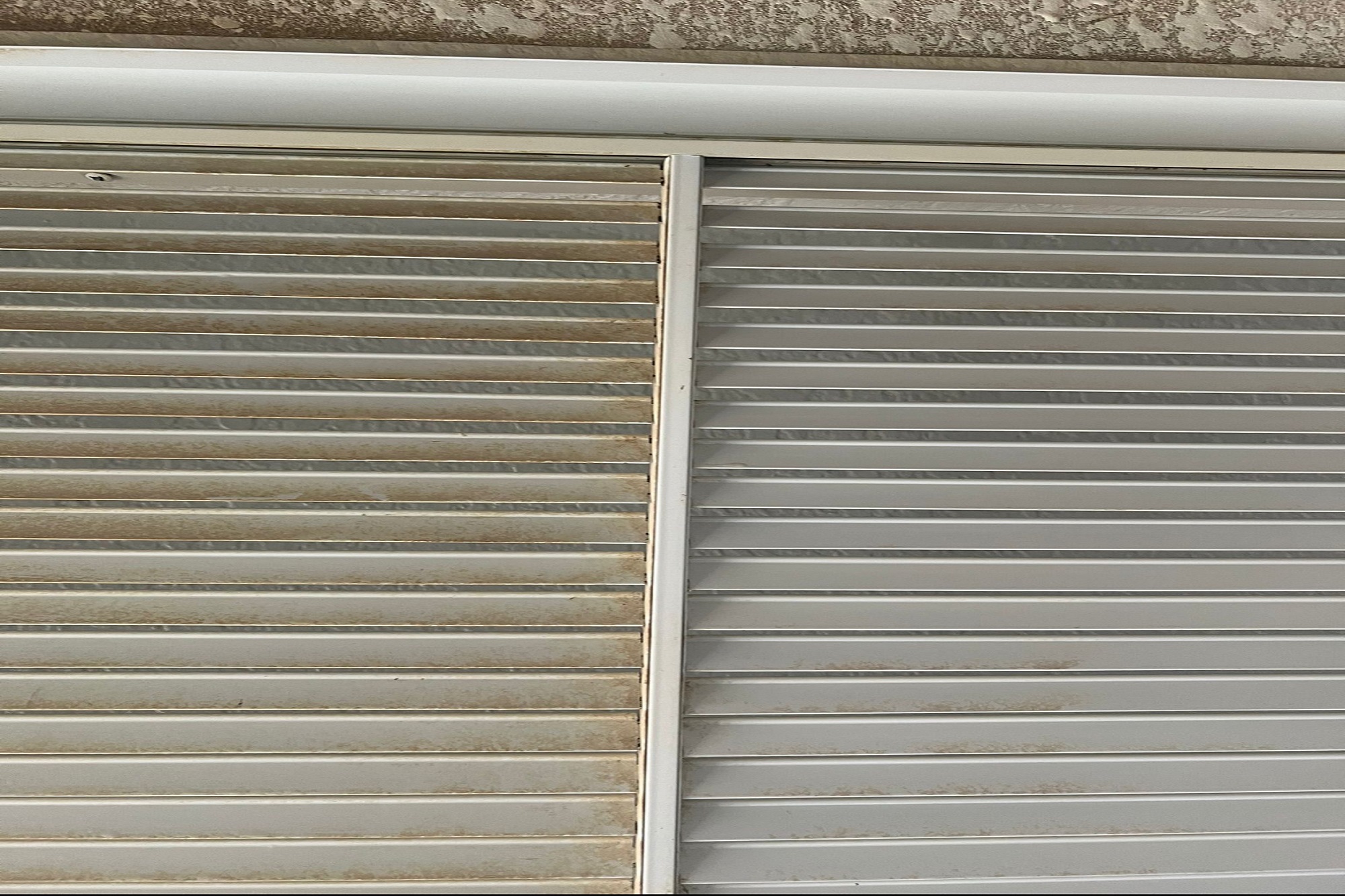
- Around vent covers and registers — especially in rooms with poor airflow or closed doors
- Near the air handler itself — where condensate lines and drain pans are already handling moisture and can back up if clogged
None of these are dramatic on their own. A little moisture here and there seems harmless. The problem is that South Florida’s wet season gives that moisture months to compound, not just a single humid afternoon.
The Mold Risk Nobody Notices Until It’s Visible
Mold doesn’t need a flood to get started — it just needs a damp, dark, still environment. A duct system with recurring condensation offers exactly that. Ductwork is enclosed, it’s rarely inspected, and during rainy season it can stay damp for days at a time between AC cycles. That’s a favorable setup for mold and mildew growth on interior duct surfaces, insulation, and around vent covers.
The tricky part is that by the time you notice a musty smell when the AC kicks on, or you see discoloration around a vent cover, the growth has usually been building for a while. Rainy season doesn’t cause mold overnight. It’s a slow accumulation over a wet summer that finally becomes noticeable once conditions are right.
Signs Your Ductwork Is Struggling with Rainy Season Moisture
- A musty or “wet basement” smell when the air conditioner runs
- Visible dark spots or staining around vent covers or registers
- Higher indoor humidity than usual, even with the AC running consistently
- Increased allergy or respiratory irritation that seems to track with AC use
- Damp or discolored insulation visible near attic ductwork
Why This Matters More in a Multi-County Coastal Climate
Homes from Jupiter and Hobe Sound down through Boynton Beach, and up through Port St Lucie, Fort Pierce, and Vero Beach, all deal with a similar coastal humidity load during wet season, even though the storms themselves can vary block to block. Add in the salt air and the sheer duration of the humid stretch — this isn’t a two-week event, it’s basically half the year — and ductwork here works under conditions that a lot of standard HVAC guidance, written for drier climates, simply doesn’t account for.
That’s part of why we’ve built our service area the way we have. Covering Palm Beach, Martin, and St. Lucie counties means we see the same rainy-season duct issues show up again and again in different cities, and we know what a normal amount of summer dust looks like versus what’s actually a developing moisture problem.
What Actually Helps During Wet Season
You can’t control Florida’s humidity, but you can control how your ductwork handles it:
- Keep airflow moving. Closed-off rooms and blocked vents create the stagnant conditions condensation and mold prefer.
- Don’t ignore vent cover buildup. Dust and grime on vent covers can trap moisture against the surface longer than a clean cover would.
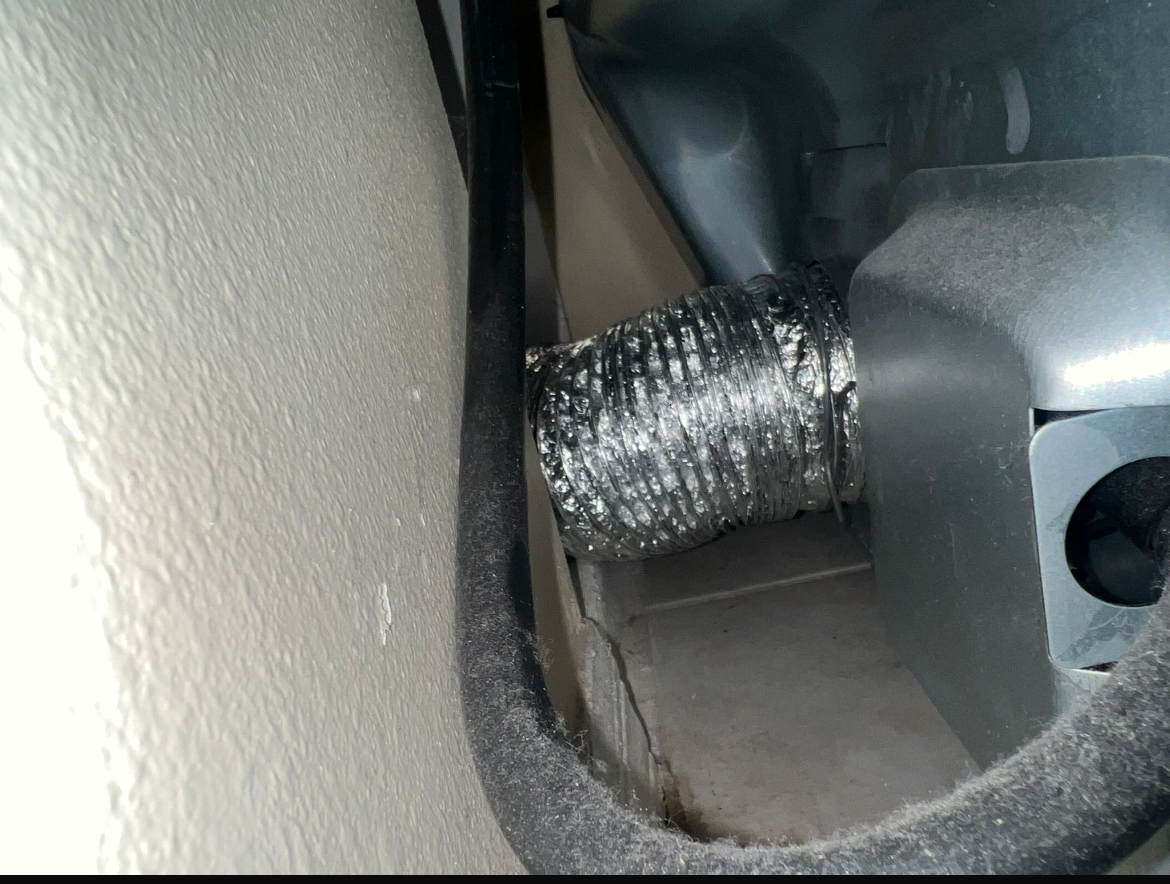
- Watch your dryer vent too. A clogged dryer vent — including roof-mounted vents common in this region — traps heat and humidity in the line, which adds to the moisture load your home is already dealing with. A clogged dryer vent is also a well-known cause of home dryer fires, rainy season or not.
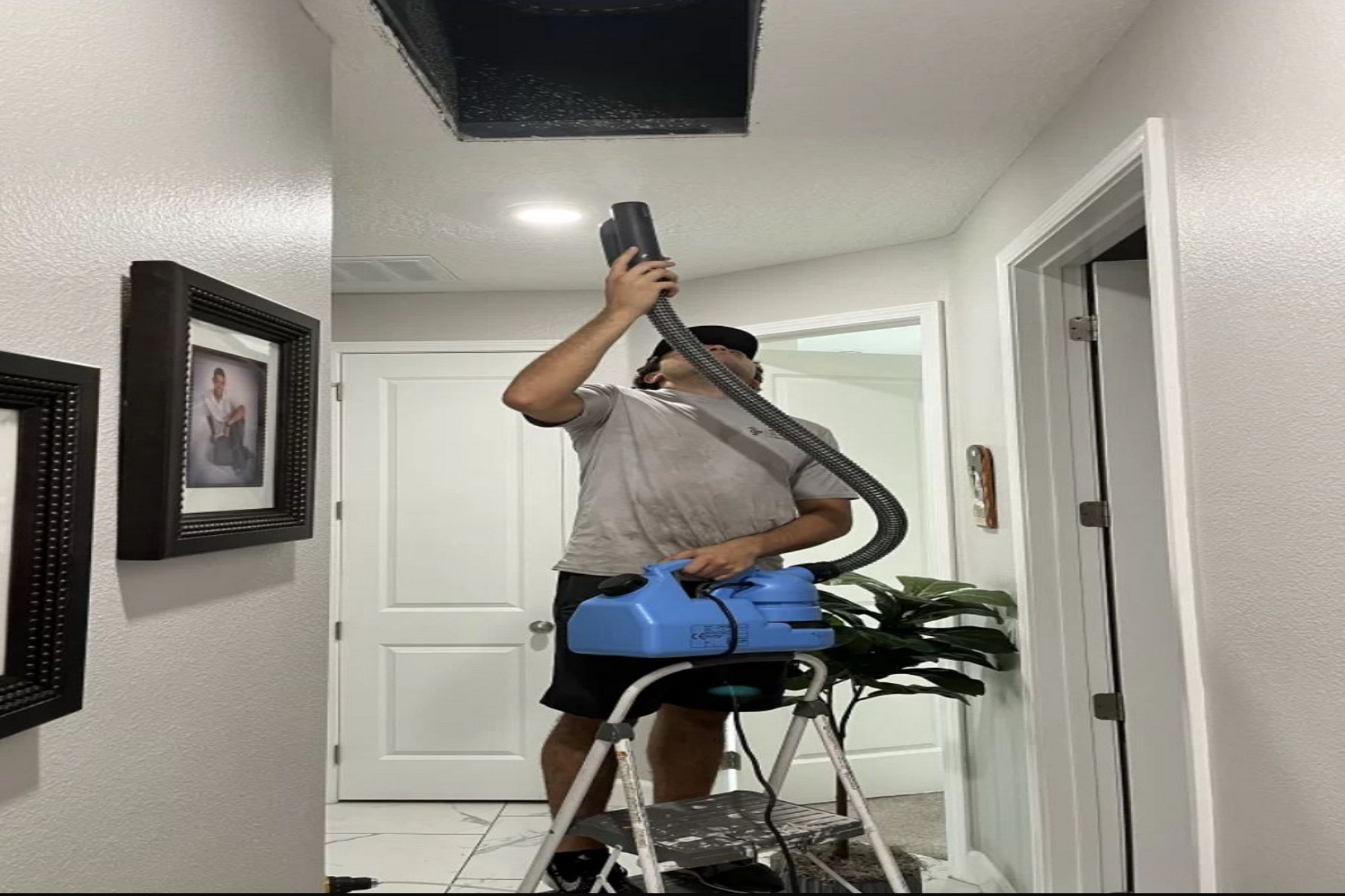
- Get ductwork inspected before wet season peaks. Catching early-stage condensation or minor buildup in the spring is a lot easier than dealing with established growth in September.
If it’s been a while since anyone has actually looked inside your ductwork, rainy season is exactly when it’s worth checking. Clean Quality Air is a family-owned, Boynton Beach-based company serving Boynton Beach, West Palm Beach, Palm Beach Gardens, Jupiter, Hobe Sound, Stuart, Port St Lucie, Fort Pierce, and Vero Beach, with a 5.0-star rating across 263 Google reviews. We offer residential and commercial air duct cleaning, dryer vent cleaning including roof-mounted vents, and vent cover cleaning. If rainy season has you wondering what’s really going on behind your vents, give us a call at (772) 834-9618 or request a free quote — we’re happy to take a look before the humidity has the last word.