Remodeling puts a concentrated load of dust into a house in a few days. If the return vents were not covered, much of it gets pulled into the ducts and pushed back out when the system runs. The same applies to the first days in a newly bought or newly built home, where the air handler may have run through construction or years of someone else’s habits.
What gets into the ducts during construction work
- Drywall dust from cutting, sanding and patching, fine enough to pass through many filters.
- Sawdust from cabinets, trim and flooring.
- Tile and grout dust.
- Insulation fibers when wall or attic cavities are opened.
- Paint overspray and general debris from tools and foot traffic.
Contractors focus on the finished product, and covering returns is usually only done when someone asks. Ask before the work starts. If it has already happened, here is how to tell.
Signs the system picked up renovation dust
- The house stays dusty for weeks after the work, despite regular cleaning.
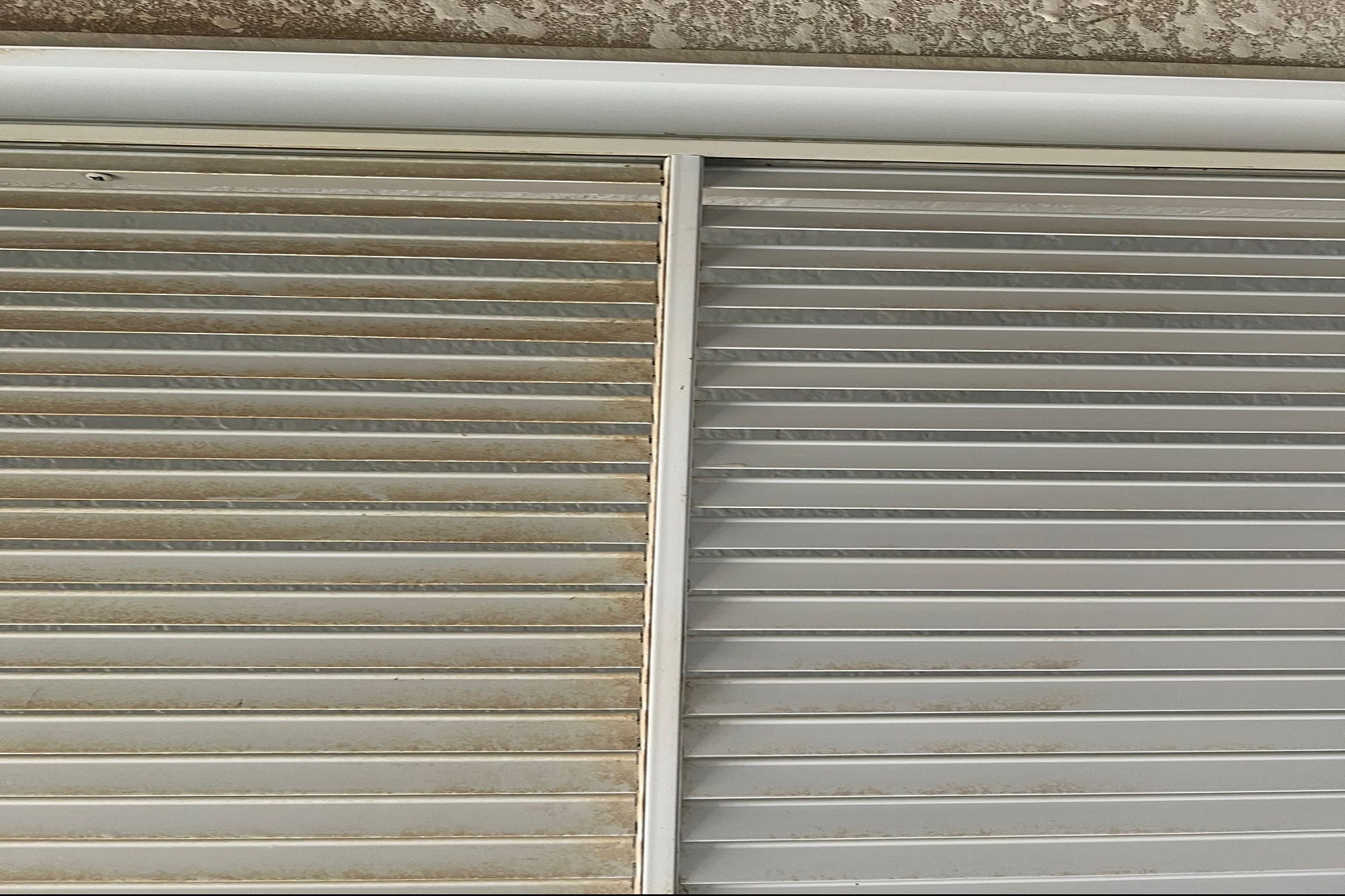
- Vent covers look dirty again within days of wiping them.
- A dusty or construction smell when the AC first starts.
- Reduced airflow from vents in or near the work area.
Two or three of these together are a fair signal that dust settled somewhere past the filter. Check the filter first, since it will be loaded after a project. See what a dirty AC filter means.
If you just bought the house
A clean-looking house does not mean clean ducts, and a purchase alone does not mean they need cleaning. Our own pages say a new home or the passing of a year does not automatically call for it. Reasonable reasons to look are a previous owner with pets or smokers, known renovation, pest evidence or heavy dust at the vents. The practical time is early, before furniture and boxes fill the rooms, when access to vents and returns is easy.
For new construction, the same logic applies shortly after move-in. Building sites are dusty and ductwork is often exposed for a while. If you see dust blowing from the registers when the system first runs, that is worth checking.
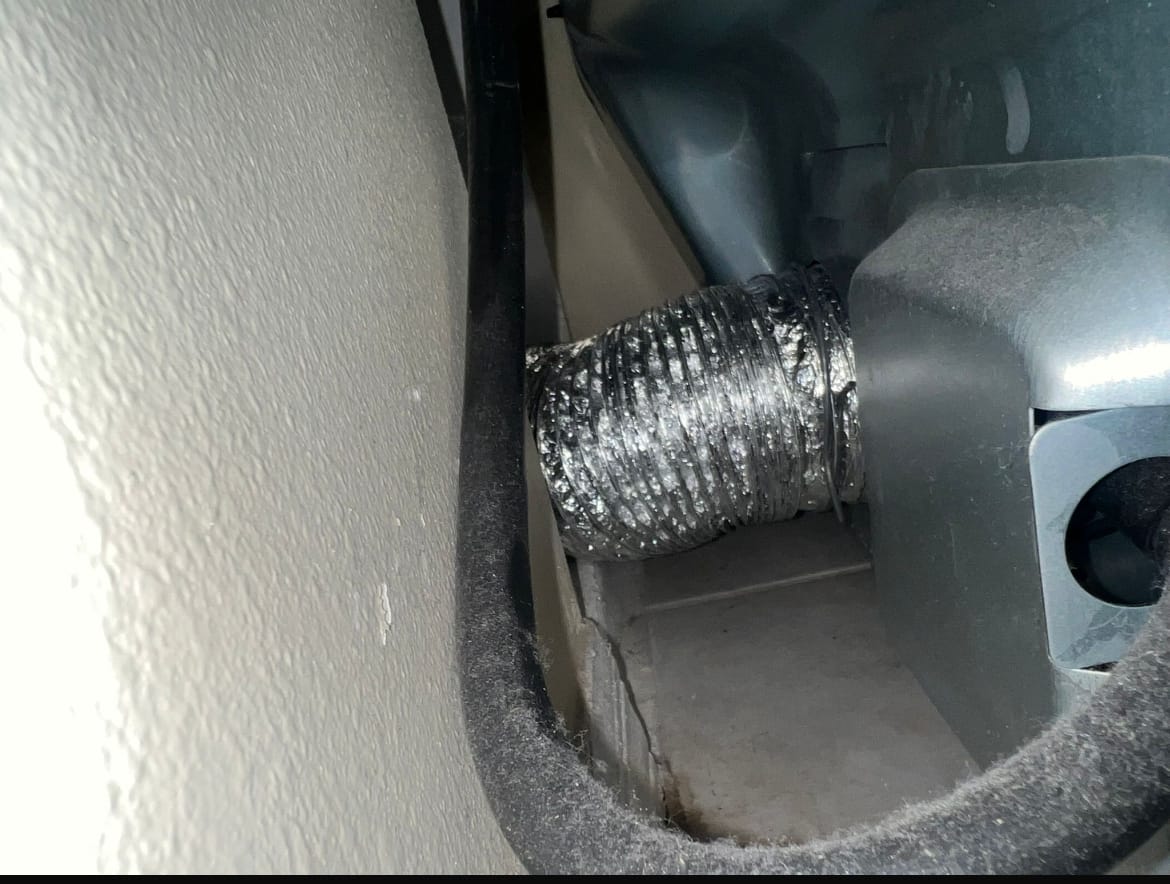
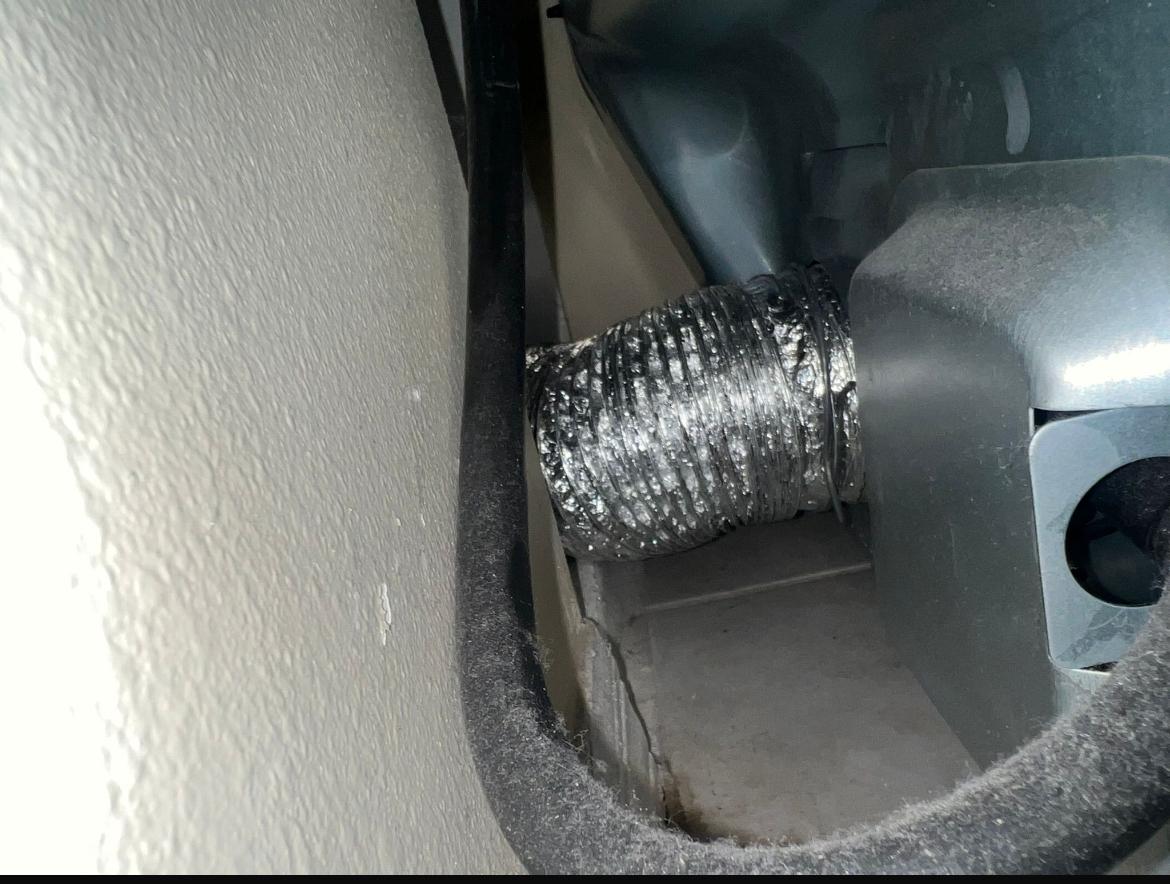
Do not forget the dryer vent. It is a separate system and just as easy for a previous owner or a construction crew to have neglected. See how to tell if your dryer vent is clogged.
What the EPA says
The EPA lists excessive dust and debris in the ducts, or particles released from supply registers, among the conditions where cleaning should be considered, and says the underlying cause must be corrected first or the problem will recur. Its guidance is EPA 402-K-97-002, October 1997.
What cleaning includes
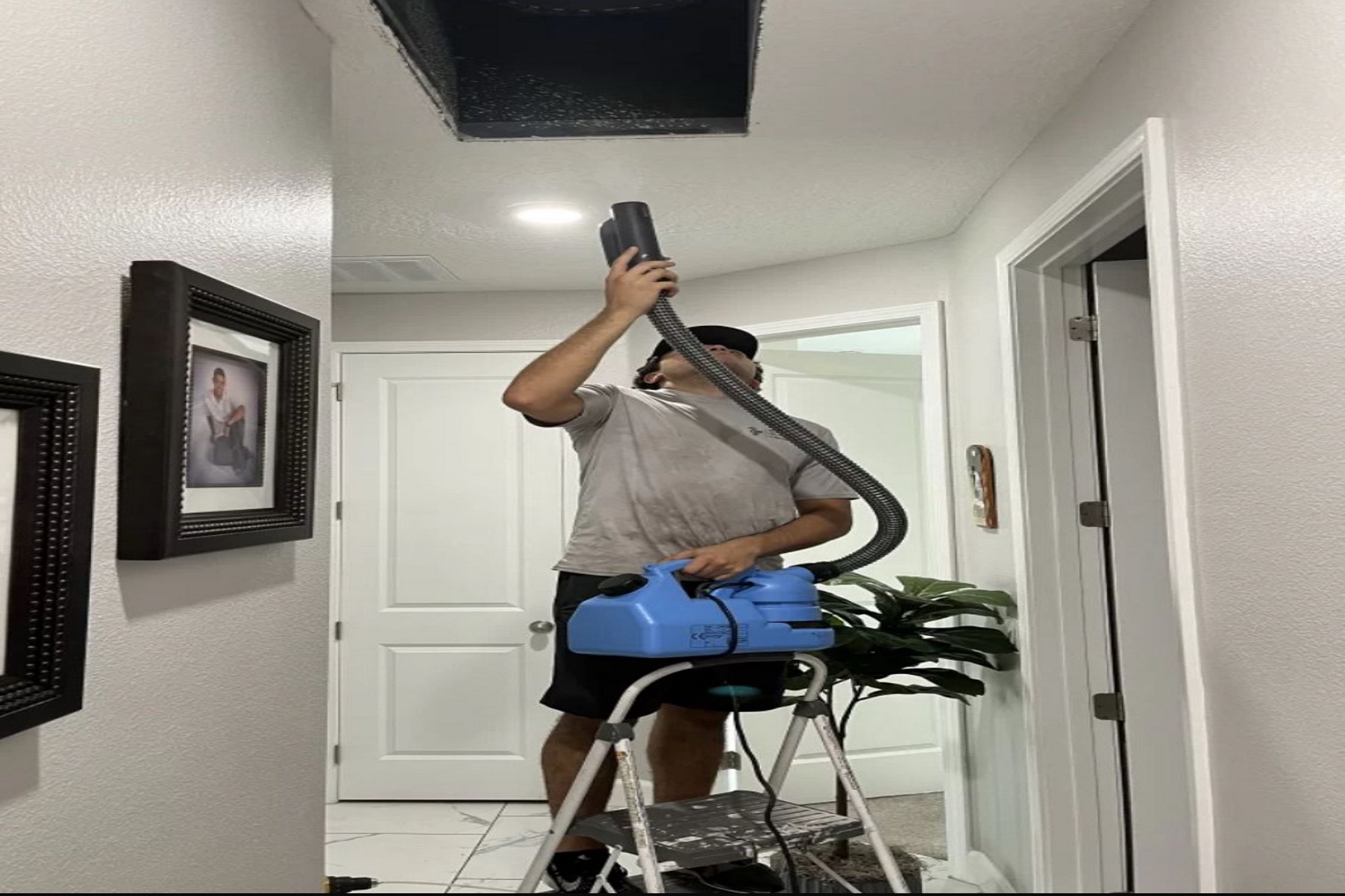
Our air duct cleaning includes inspection of accessible vents, cleaning of registers and duct openings, and debris removal with professional equipment. Adding vent cover cleaning takes care of the visible dust at the openings.
If your project is finished and the dust is not, call Clean Quality Air at (772) 834-9618.