Duct cleaning is hard to judge because most of the work happens where you cannot see it. Once the crew leaves, the ducts are closed up again. So the decision comes down to what a company tells you, shows you and writes down before they start. This is a checklist for comparing any company, including us.
Ask what is included before you book
The phrase “duct cleaning” means different things. Ask for a clear answer on each of these.
- Supply ducts and return ducts, or only one side.
- Registers, grilles and vent covers.
- The air handler area, or only the ductwork. The EPA says a provider should clean all components of the system it agrees to clean, since a missed component can recontaminate the rest.
- The dryer vent, which is a separate system, and whether a roof-mounted one is handled.
Ours is described on our air duct cleaning page. It includes inspection of accessible vents, cleaning of registers and duct openings, and debris removal with professional equipment.
Ask how they clean
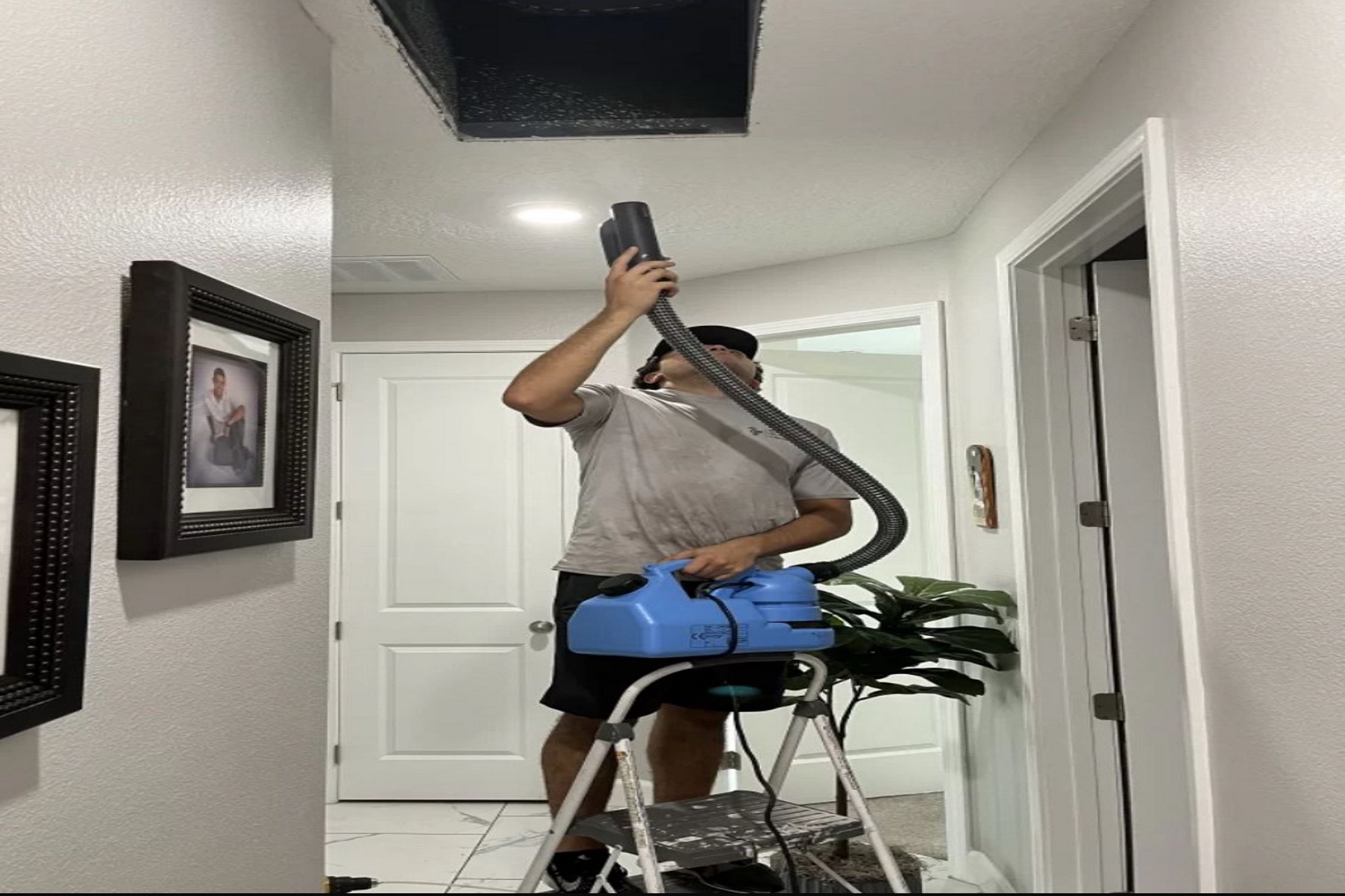
You do not need to be an HVAC expert. A company should be able to describe its process in plain terms. The EPA says it should use vacuum equipment that exhausts outside or HEPA equipment, use controlled brushing with vacuum collection, protect your carpet and furnishings, and seal any access openings it makes. If the answer is vague or very short, keep asking.
Get the price in writing
The EPA suggests talking to at least three providers and getting written estimates, with a written agreement on total cost and scope before work begins. Watch for a low advertised price that covers only a few vents, a technician who finds “excessive contamination” on arrival and adds a fee, and charges for returns or trunk lines that should have been in scope. A company that is confident in its pricing explains what is included before it arrives. When you contact us, we confirm the price and a time before the visit.
Be wary of these claims and tactics
- Sweeping claims about health benefits. The EPA says do not hire a duct cleaner who makes them, because they are unsubstantiated.
- Duct cleaning pitched as routine maintenance that must happen on a schedule. The EPA does not recommend routine cleaning, only cleaning as needed.
- A claim of EPA certification. The EPA says it does not certify, endorse or approve duct cleaning companies.
- Pressure to decide today, or reluctance to explain what the service includes.
- Chemical biocides or sealants offered without a clear reason. The EPA says to understand the pros and cons first.
All of this is in the EPA’s guidance, EPA 402-K-97-002, October 1997. Another point from it that is easy to apply is to ask the provider to show you the contamination that would justify cleaning.
Ask to see your ducts, not their portfolio
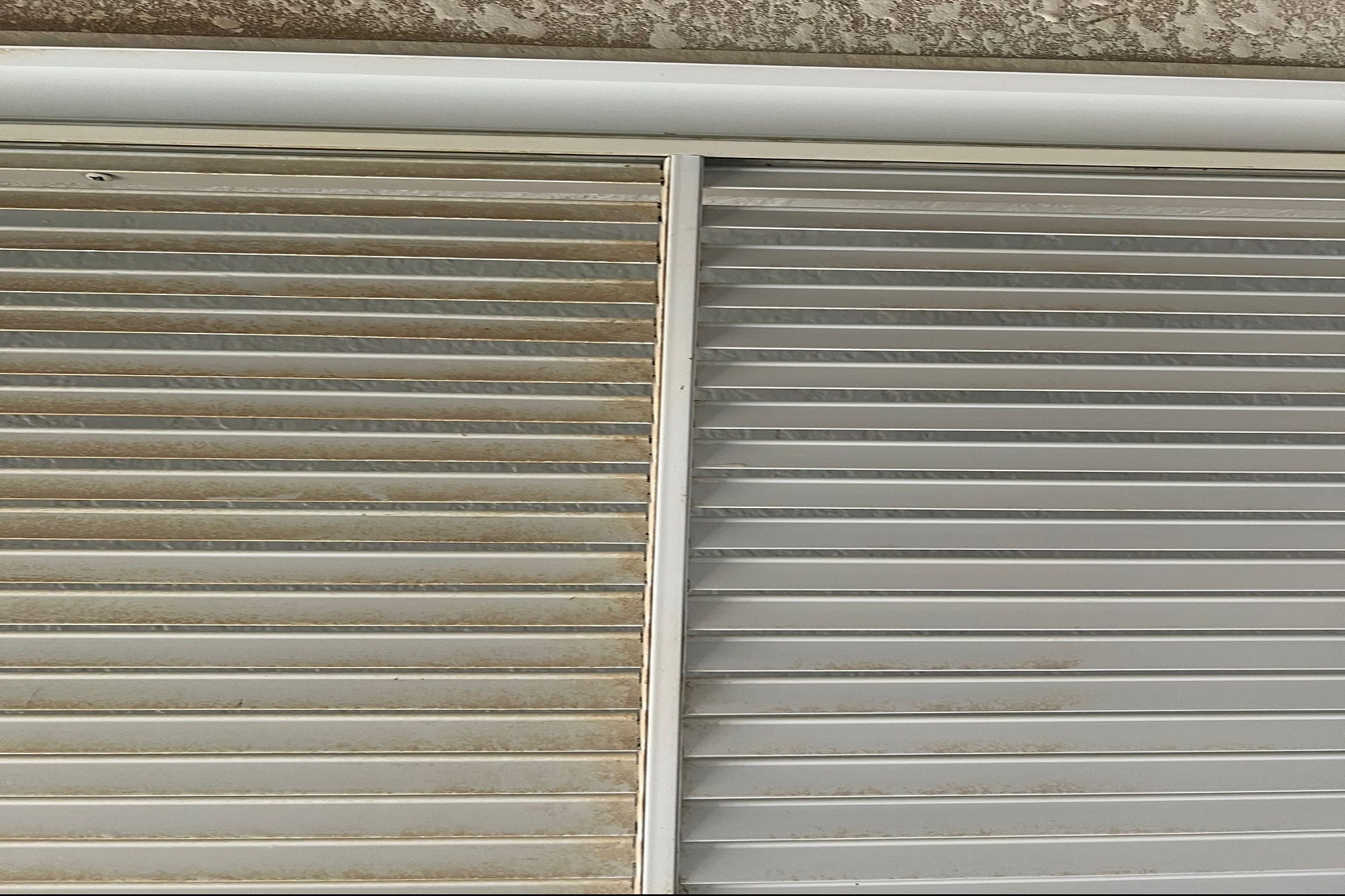
A close-up of a dirty vent cover proves little, because covers collect dust just from sitting in a room. Photos from inside the duct, with a fixed landmark such as a seam or screw in both the before and after shots, are more useful. The best proof is your own home. Ask to look inside before the ducts are closed up. We welcome that. The EPA also notes that a visual check of each component after cleaning is the best way to confirm the job was done.
Read reviews for detail, not for the average
Most companies have a high average, so the average tells you little. Look for reviews that mention specifics, such as whether the technician explained the work, how they treated floors and furniture and what was found. Check dates, because a steady trickle of recent reviews says more than a large old total. Read how the owner responds, especially to the less glowing ones, and look for patterns across many reviews. You can read ours directly on Google.
Check the dryer vent work
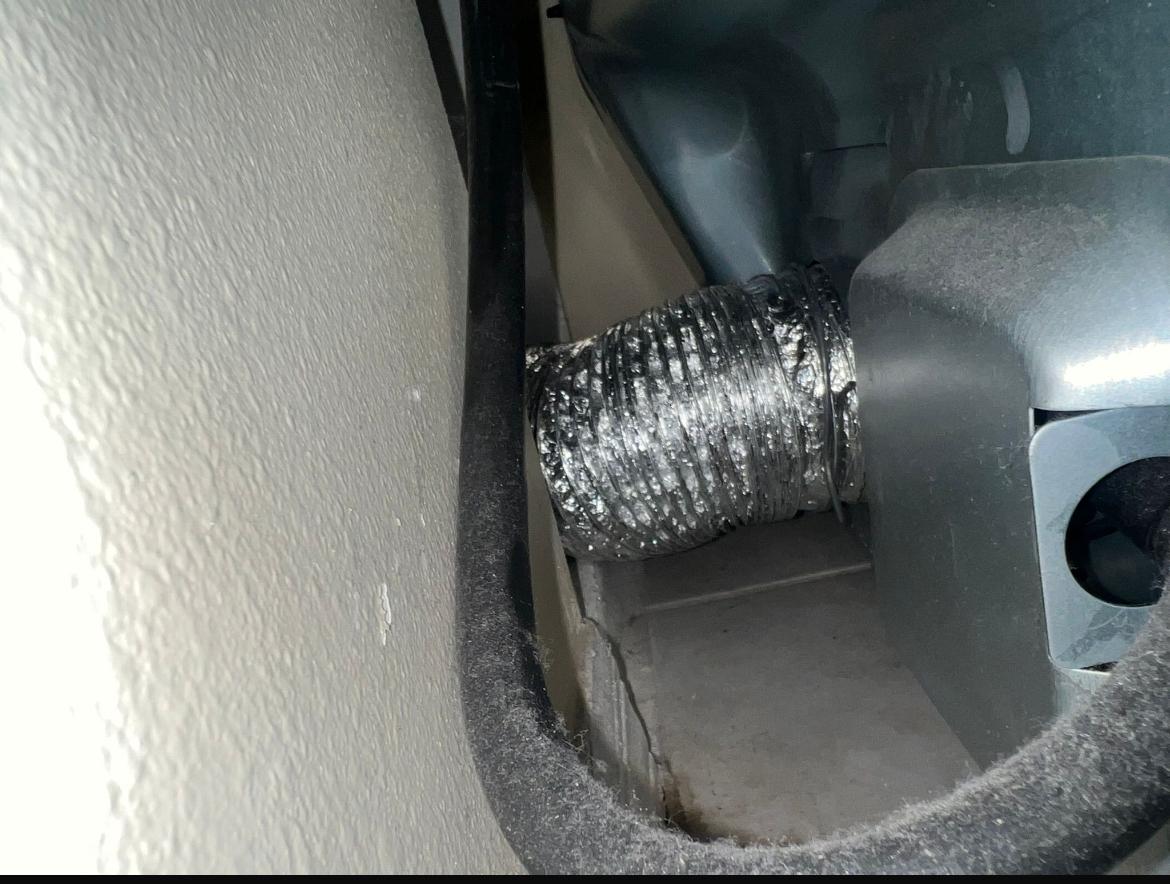
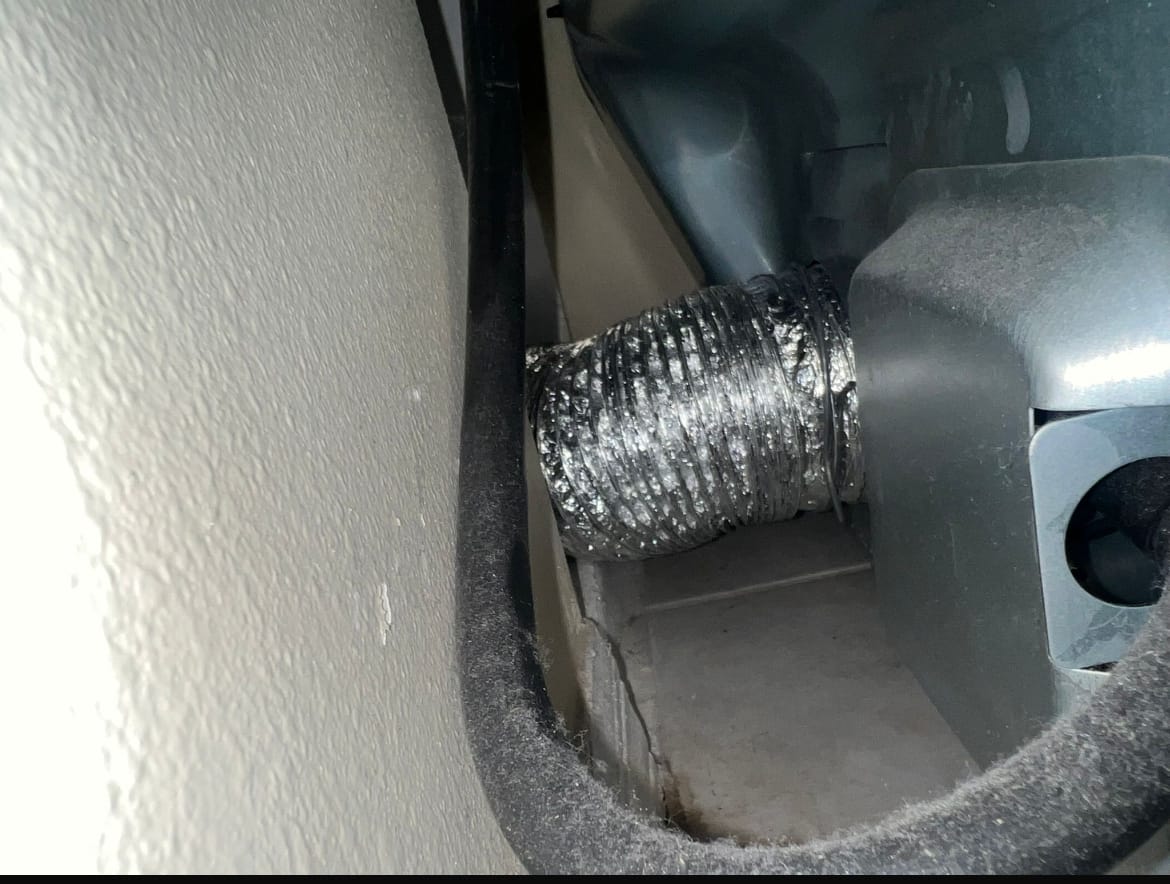
Dryer vent corner-cutting is easy to hide. A rushed job might clean only the part near the machine. The whole run needs clearing. See how to tell if your dryer vent is clogged.
If you want to compare, call Clean Quality Air at (772) 834-9618 or request a free quote.