If your eyes are itchier on the couch than they are in the yard, you’re not imagining it. A lot of homeowners across Palm Beach, Martin, and St. Lucie counties assume their allergies get worse indoors in South Florida because pollen is drifting in through open windows or doors. That’s part of the story, but it’s usually not the biggest part. The bigger issue is what’s already living inside your ductwork, getting pulled through your system and redistributed into every room every time your air conditioner kicks on.
South Florida is a strange climate for indoor air. We don’t get the seasonal reset that colder regions get, where a hard freeze knocks down mold spores and pollen counts for months at a time. Here, warm temperatures and high humidity run nearly year-round, so the conditions that let allergens grow and spread indoors never really let up. Your HVAC system is working constantly, and that constant airflow is exactly how a dirty duct system becomes a bigger allergy problem than the air outside.
Why Recirculated Air Is the Real Trigger
Here’s something most people never think about: your central air system doesn’t just cool your home once. It pulls the same air back through the return vents, across the coil, and back out through the supply vents, over and over, all day long. If there’s dust, pet dander, mold spores, or pollen sitting inside that ductwork, every cooling cycle pushes another dose of it back into your living space.
Outdoor air gets diluted the moment it hits open sky. Indoor air recirculating through a contaminated duct system doesn’t get that dilution — it just keeps concentrating in a closed loop. That’s a big reason allergies get worse indoors in South Florida for so many households, especially in homes where the AC runs nearly nonstop from March through October.
Humidity Makes South Florida Ducts Especially Bad
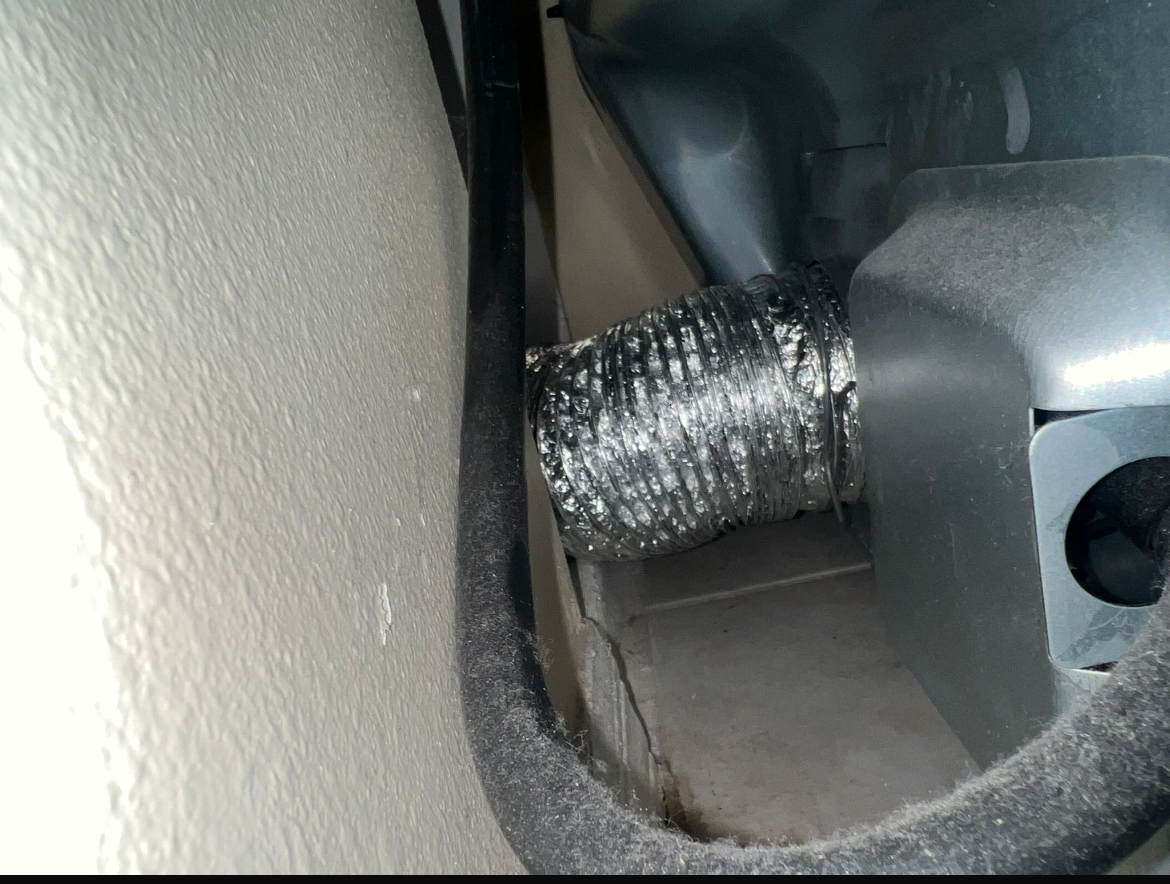
Air ducts in a dry climate accumulate dust. Air ducts in a humid climate accumulate dust and become a growing medium. The moisture that naturally collects around AC coils, condensation lines, and duct joints in our climate gives mold and mildew exactly what they need to take hold. Once that happens inside the ductwork, your air handler is essentially a fan blowing across a damp surface and pushing whatever’s growing there through the whole house.
That’s different from a musty smell in one closet or a water stain on a ceiling. Duct-borne mold and mildew don’t stay put — they travel with the airflow to every register in your home, which is why some people notice their symptoms are worse in the bedroom or living room than anywhere else in the house.
Signs Your Ducts, Not Pollen, Are the Problem
A few patterns tend to point toward the ductwork rather than outdoor allergens:
- Symptoms improve when you leave the house. If sneezing, congestion, or itchy eyes ease up at work or in the car but come back at home, that’s a strong signal the source is indoors.
- Symptoms are worse right after the AC cycles on. A sudden sneeze or cough when the system kicks in suggests something is being pushed through the vents.
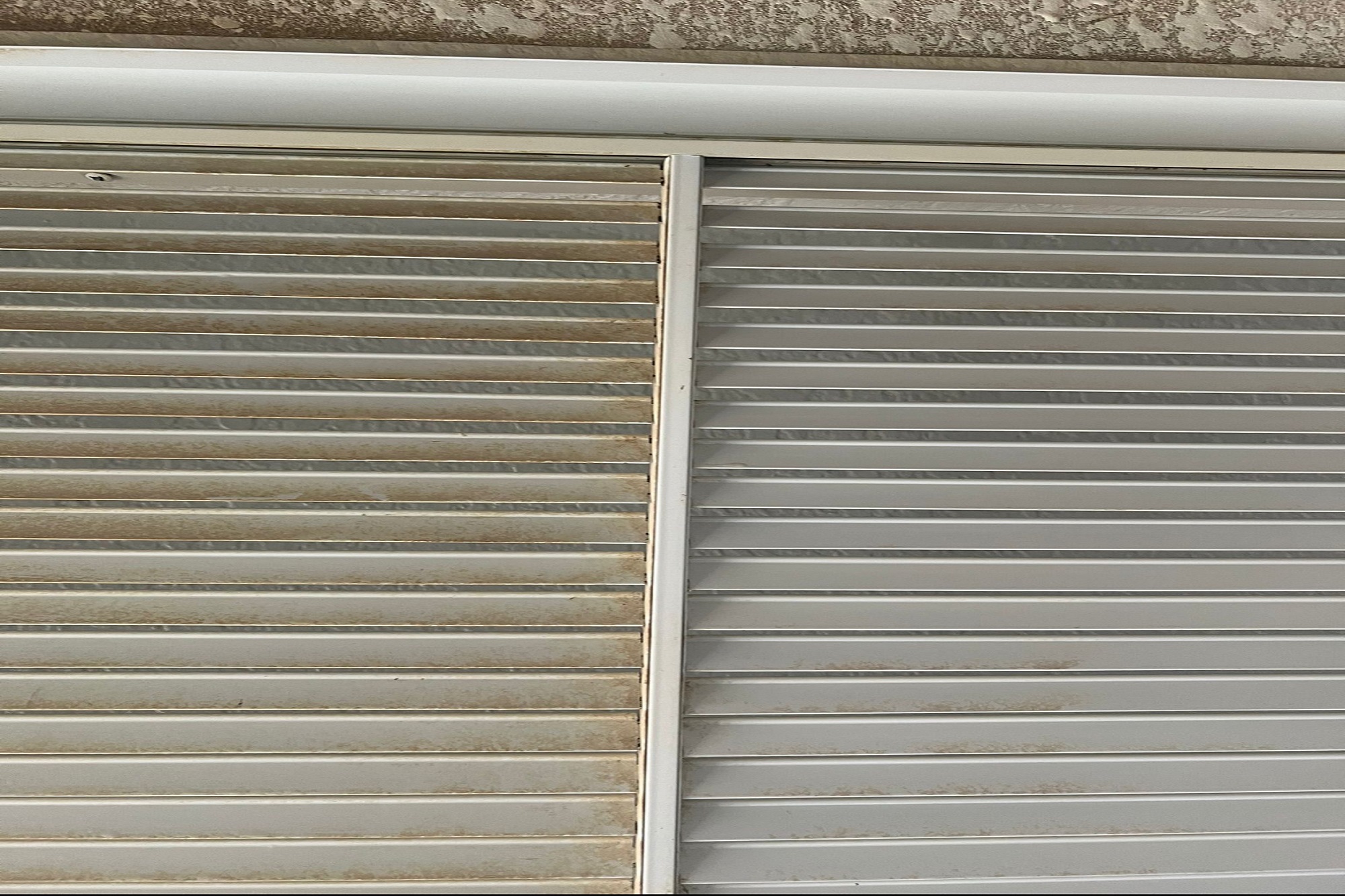
- Visible dust buildup around vent covers. What collects on the outside of a register is a preview of what’s built up inside the duct run.
- A musty or stale smell when the air is running, even in a home that otherwise looks clean.
- Allergy symptoms year-round rather than tracking with local pollen seasons — a sign the trigger isn’t outdoor plants at all.
Why This Gets Overlooked
Most allergy advice is written for climates with real seasons, where pollen counts spike in spring and fall and indoor air is treated as the safe zone. That advice doesn’t translate well to the Treasure Coast and Palm Beach County corridor, where humidity, near-constant AC use, and dense landscaping combine differently than they do up north. People close their windows and run the air conditioner thinking they’re escaping their allergy triggers, when in some homes they’re just trading one source for a more concentrated one.
It’s also easy to overlook ductwork because it’s invisible. Nobody sees what’s inside a supply duct behind a wall or above a ceiling, so it rarely gets blamed, even when it’s doing more to shape daily air quality than anything happening outside.
What Actually Helps
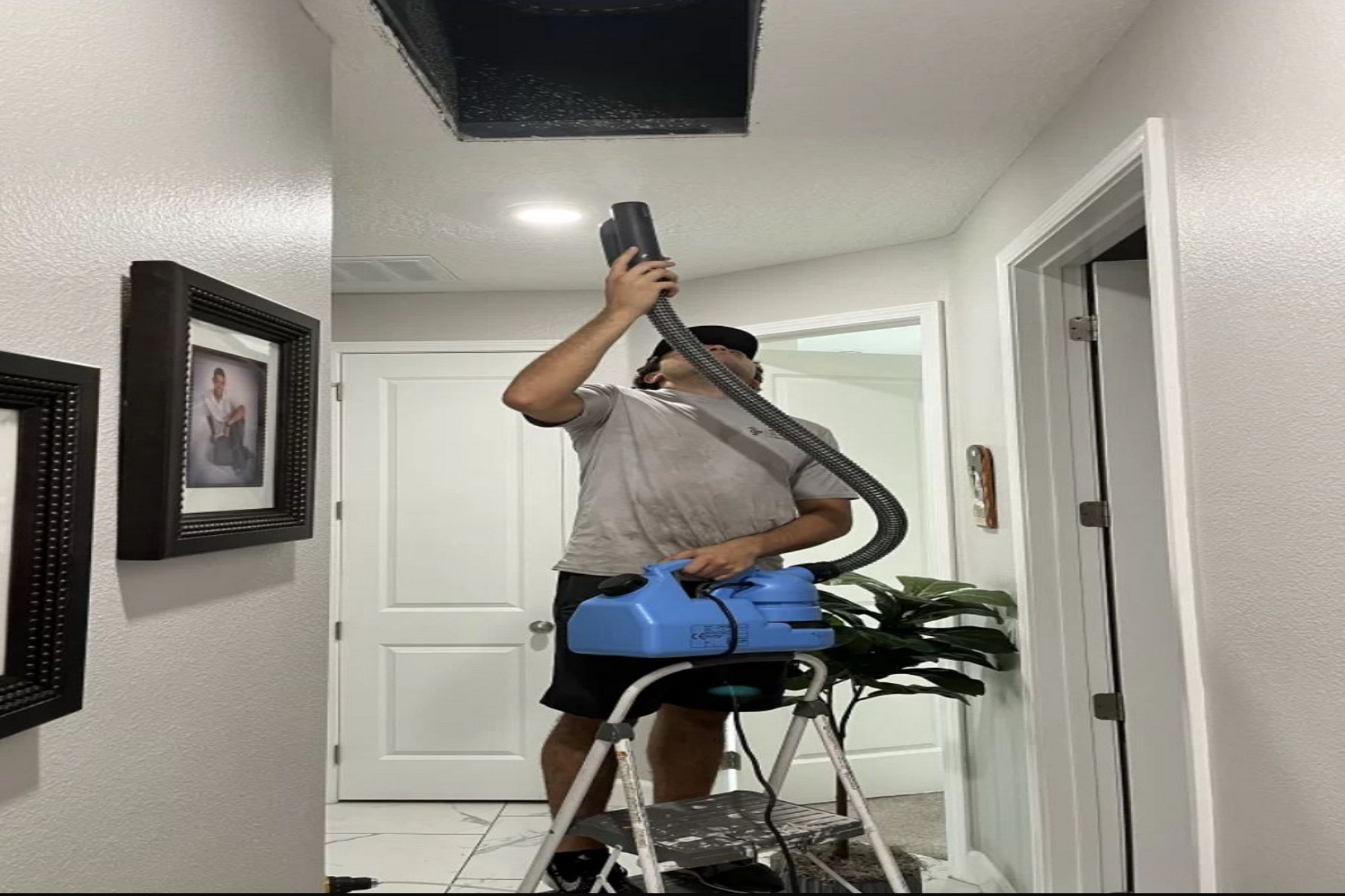
Air purifiers and better window seals can help at the margins, but they treat symptoms of a system that’s still circulating contaminated air at its source. Addressing the ductwork itself is what breaks the cycle. At Clean Quality Air, we clean the dust, dander, and buildup that accumulates inside residential and commercial duct systems across Boynton Beach, West Palm Beach, Palm Beach Gardens, Jupiter, Hobe Sound, Stuart, Port St Lucie, Fort Pierce, and Vero Beach, along with vent cover cleaning and dryer vent service, including roof-mounted dryer vents that are easy to forget about.
We’re a family-owned business, and the goal is simple: making the air inside your home actually cleaner, not just cooler. If your allergies seem to get worse the moment you walk indoors, it’s worth finding out what’s really moving through your vents. Call (772) 834-9618 or request a free quote, and we’ll help you figure out whether your ductwork is the missing piece in your allergy puzzle.