If you’ve ever looked into indoor air quality and wondered whether you need a whole new system to fix it, you don’t. An air purification HVAC add-on is designed to work with the heating and cooling equipment already installed in your home, not replace it. It ties into your existing ductwork and uses the airflow your system already generates. For homeowners across Palm Beach, Martin, and St. Lucie counties dealing with humidity, pollen, and the kind of dust that South Florida homes seem to collect no matter how often you clean, that’s a meaningful distinction.
A lot of people picture air purification as a bulky standalone unit sitting in the corner of a room, humming away and covering maybe one zone of the house. That’s one option, but it’s not what an HVAC add-on is. These are integrated components installed directly into your duct system or air handler, so they treat air for the entire house every time your system runs, not just the room where a portable unit happens to be plugged in.
Where the Add-On Actually Sits in Your System
Most air purification add-ons install in one of two places:
- Inside the ductwork itself, usually in the supply or return line, where air passes through on its way to or from the air handler.
- Near the air handler or coil, which is a common spot for UV and ionization components since that area tends to collect moisture and biological growth.
Either way, the goal is the same: treat the air as it moves through the system your HVAC unit is already circulating, rather than asking the air to detour somewhere else first. Nothing about this requires new duct runs cut into your walls or a separate blower. It uses the path that’s already there.
It Rides Along on Air Your System Is Already Moving
Your HVAC system is constantly pulling air in through the return, pushing it across the coil or furnace, and sending it back out through the supply ducts to every room. An air purification add-on simply intercepts that air somewhere along the way. It doesn’t need its own fan or its own intake, because your blower motor is already doing that work.
That’s part of why this type of upgrade tends to be less invasive than people expect. There’s no new equipment sitting on your patio, no separate thermostat to program, and in most cases no meaningful change to your energy usage beyond what the add-on itself draws, which is small compared to what the blower and compressor already pull.
Why Ductwork Condition Matters More Than People Realize
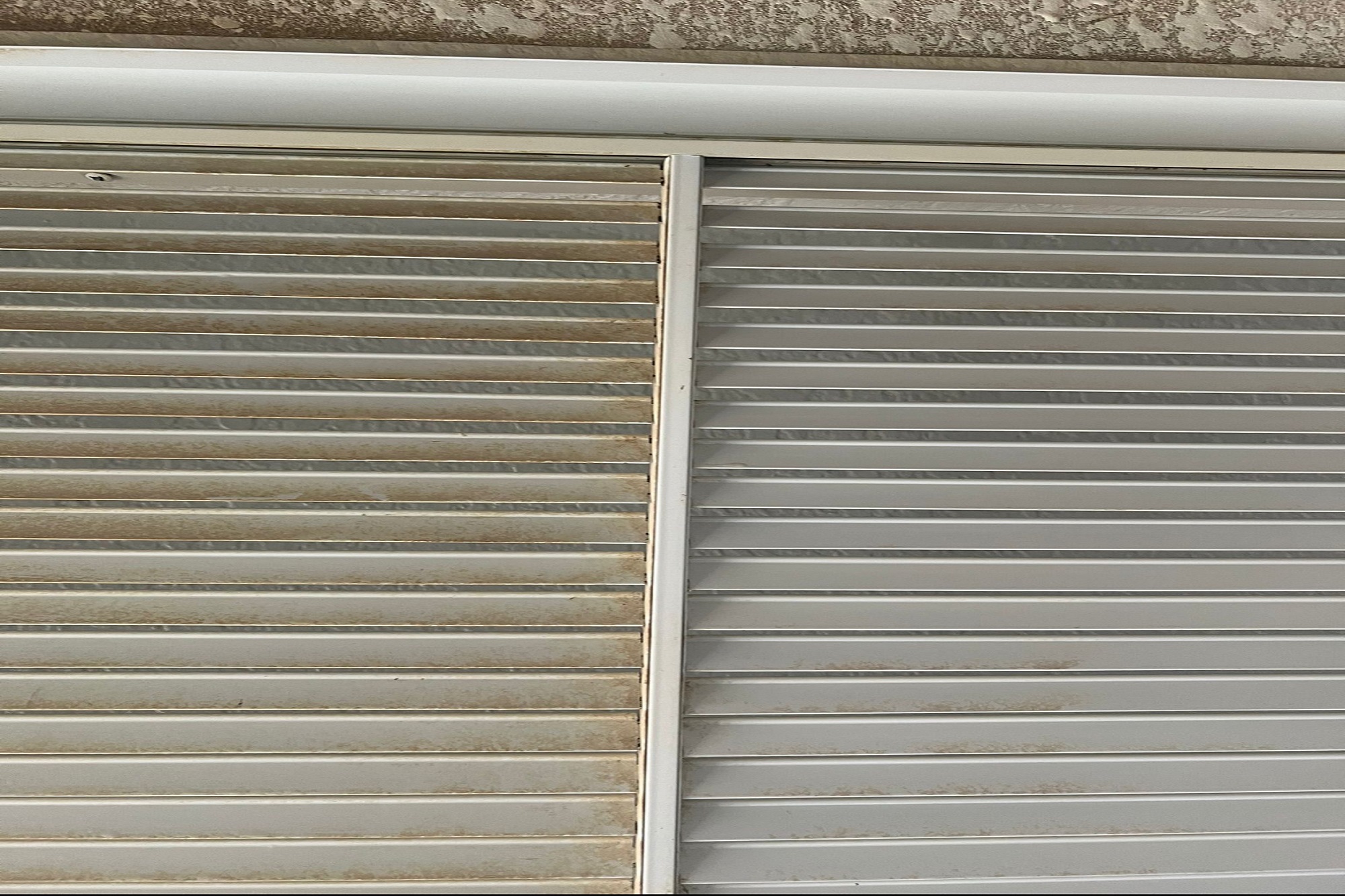
Here’s the part that often gets skipped in conversations about air purification: the add-on only treats the air that actually reaches it. If your ducts are packed with dust, debris, or buildup from years of use, that material is still sitting in the pathway, and your purification component is working around it rather than instead of it.
We see this a lot on service calls. A homeowner installs a purification add-on expecting a dramatic difference and gets a modest one, and the reason usually traces back to ductwork that hasn’t been cleaned in years. Dust, pet dander, and debris lining the inside of ducts get stirred up every time the system cycles on, adding contaminants downstream of where the purifier is doing its job. An add-on can’t clean the ducts themselves. It’s built to treat moving air, not scrub buildup off duct walls.
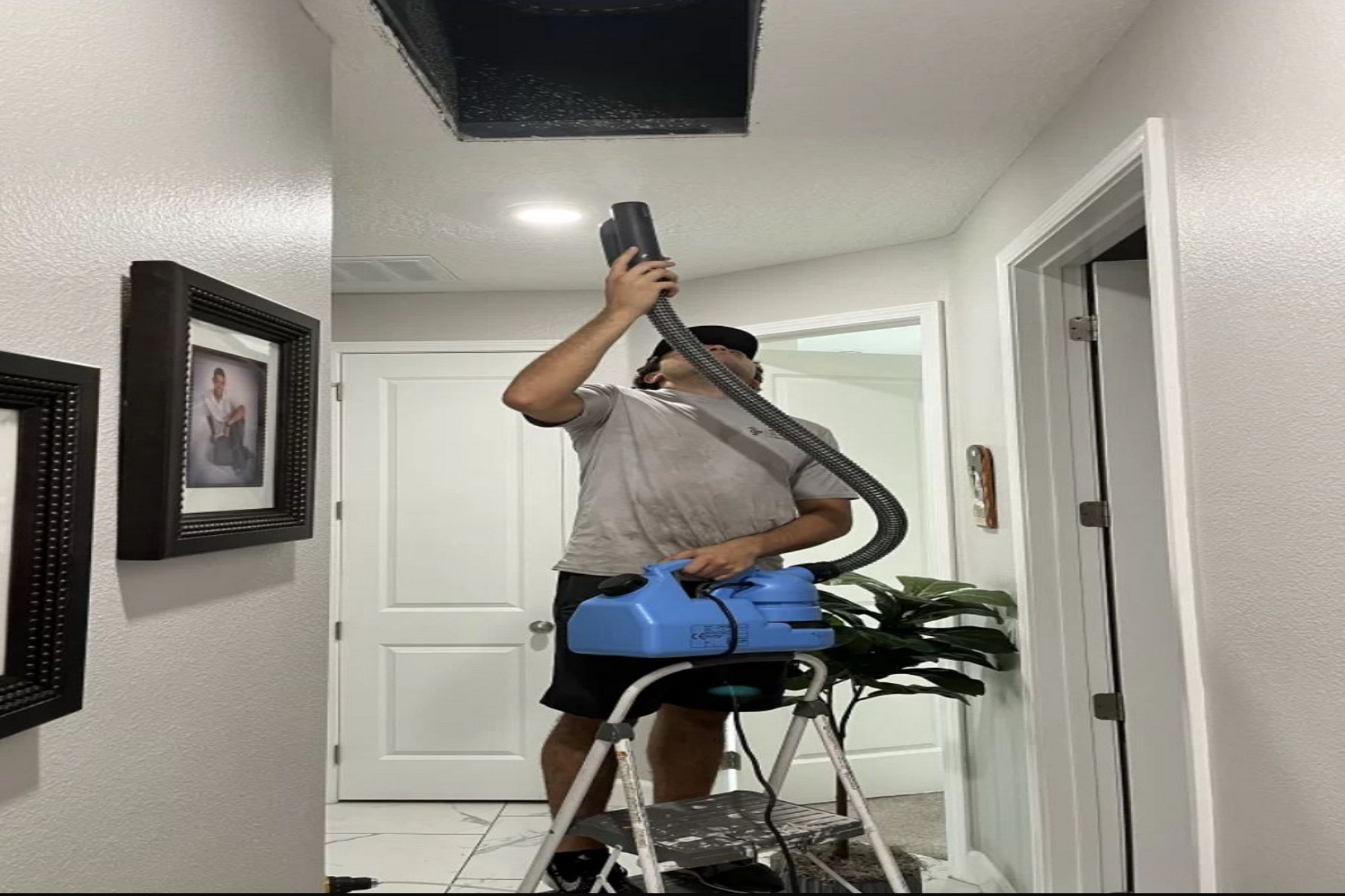
This is why we typically recommend a duct cleaning either before or alongside installing a purification add-on. It gives the new equipment a clean baseline to work from instead of competing with years of accumulated dust.
What This Looks Like for Different Home Setups
Every HVAC system is laid out a little differently depending on the age of the home and how it was built. A few things that affect how an add-on integrates:
- Air handler location — attic, closet, or garage installs all have slightly different access points for tying in components.
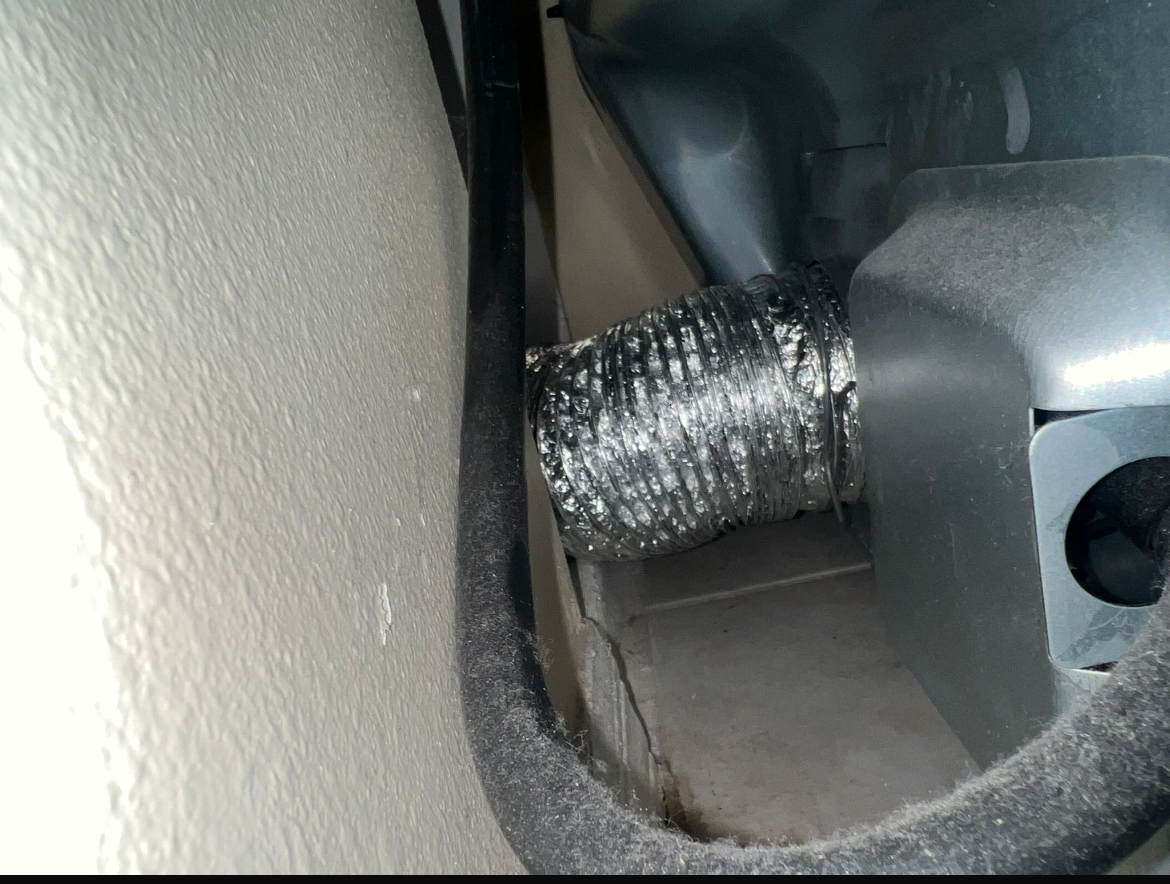
- Duct material and age — older flex duct or metal ductwork with existing wear may need attention before or during add-on installation.
- System size and airflow — the add-on needs to match the volume of air your specific system moves, which is why a walkthrough of your actual setup matters more than a generic recommendation.
This is also where a multi-county service area comes in handy in a practical sense. Homes in Port St Lucie and Fort Pierce often have different duct layouts and ages than newer construction in Palm Beach Gardens or Jupiter, and having technicians who see that range of setups regularly, from Boynton Beach up through the Treasure Coast, means fewer surprises once the walls are opened up.
What to Ask Before Adding One to Your System
If you’re considering an air purification HVAC add-on, a few questions are worth working through before installation:
- When were your ducts last cleaned? If it’s been years, start there.
- Where does your air handler sit, and is there reasonable access for installation?
- What’s actually bothering you — dust, odors, humidity-related growth? Different concerns point toward different add-on types.
- Is your system due for any other maintenance that should happen at the same time?
An honest answer to these questions usually points toward the right next step, and sometimes that step is duct cleaning first, purification add-on second.
If you’re weighing an air purification add-on for your home, it helps to start with a look at the ductwork it’ll be working through. Clean Quality Air serves Boynton Beach, West Palm Beach, Palm Beach Gardens, Jupiter, Hobe Sound, Stuart, Port St Lucie, Fort Pierce, and Vero Beach, and we’re happy to walk through what your specific setup would need. Give us a call at (772) 834-9618 or request a free quote to get started.