If you moved to South Florida from somewhere with an actual winter, you’ve probably noticed your air conditioner never really gets a day off. That’s not your imagination. South Florida AC system strain is a real, measurable difference from how HVAC systems operate in most of the country, and it has a direct effect on how fast your ductwork accumulates dust, debris, and biological growth. Understanding why can help you make smarter decisions about maintenance instead of just waiting until something smells off or your energy bill spikes.
A System That Almost Never Shuts Off
In a lot of the country, an HVAC system runs hard for a few months, then coasts through spring and fall, then works a different muscle group in winter. In Boynton Beach, West Palm Beach, Stuart, or Port St Lucie, that seasonal rest period basically doesn’t exist. Cooling season here stretches from early spring through late fall, and even the “cool” months rarely give a compressor much of a break.
That means the blower motor, the coils, the ductwork — all of it — is cycling on and off far more often, day after day, month after month, than the same equipment would in a four-season climate. More runtime isn’t just a bigger number on your electric bill. It’s more air physically moving through your duct system, which is the whole reason duct cleanliness matters more here than it does in a lot of other places.
More Airflow Cycling Means Faster Buildup
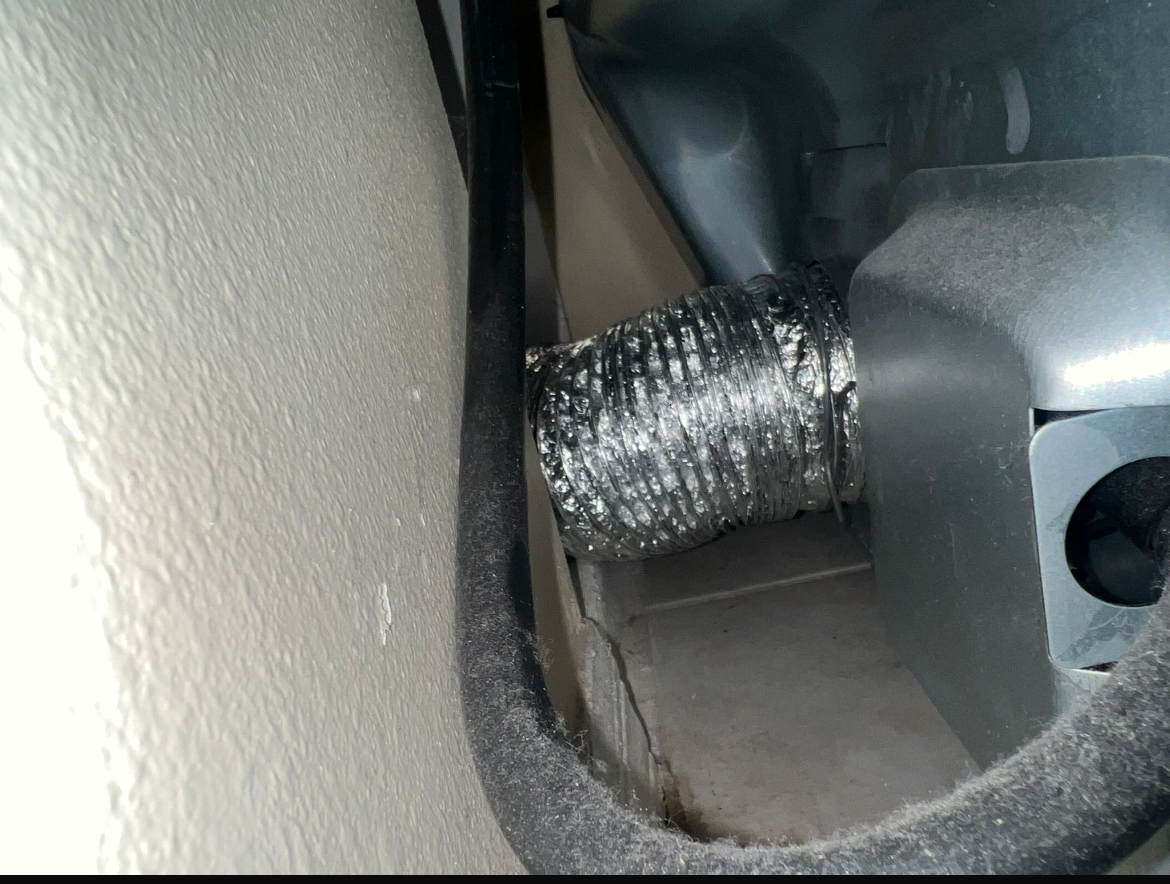
Every time air moves through your ducts, it’s carrying whatever is in your home’s air with it — dust, pet dander, pollen that snuck in through an open door, fabric fibers, skin cells. Most of that gets trapped by your filter, but not all of it. Some settles inside the ductwork itself, especially at bends, joints, and near the vents.
In a climate where the system runs eight or nine months a year at high volume instead of cycling on and off with the seasons, that settling process just happens faster. Think of it like foot traffic wearing down a hallway carpet — a hallway used year-round wears out quicker than one only used during a busy season. Your ducts work the same way:
- More total operating hours per year than seasonal-climate homes
- Higher humidity levels in South Florida air, which can encourage buildup to cling rather than stay loose and get filtered out
- Frequent on/off cycling, common with thermostats reacting to heat spikes, that stirs settled dust back into the airflow repeatedly
- Homes often sealed tighter for efficiency, recirculating the same air through the same ducts more times per day
None of this means your home is dirtier than anyone else’s. It means the mechanics of a near-constant cooling cycle create more opportunities for material to accumulate inside a duct system than a system that gets a real seasonal rest.
Humidity Is the Other Half of the Equation
South Florida AC system strain isn’t only about how often the system runs — it’s also about what it’s pulling out of the air while it runs. Air conditioners here are doing double duty: cooling the air and pulling a significant amount of moisture out of it at the same time. That moisture has to go somewhere, and ductwork, especially in attics or enclosed spaces, can hold onto humidity longer than people expect.
Dust and debris that might just blow through a dry duct system in a drier climate can settle and stick in a humid one. That’s part of why duct cleaning tends to matter more, and more often, for homes across Palm Beach, Martin, and St. Lucie counties than it might for a home in a drier or more seasonal part of the country.
What This Means for Your Home
The practical takeaway isn’t complicated: if your AC system is working harder and longer than systems in most of the country, the ductwork attached to it deserves more attention too. A few signs worth paying attention to:
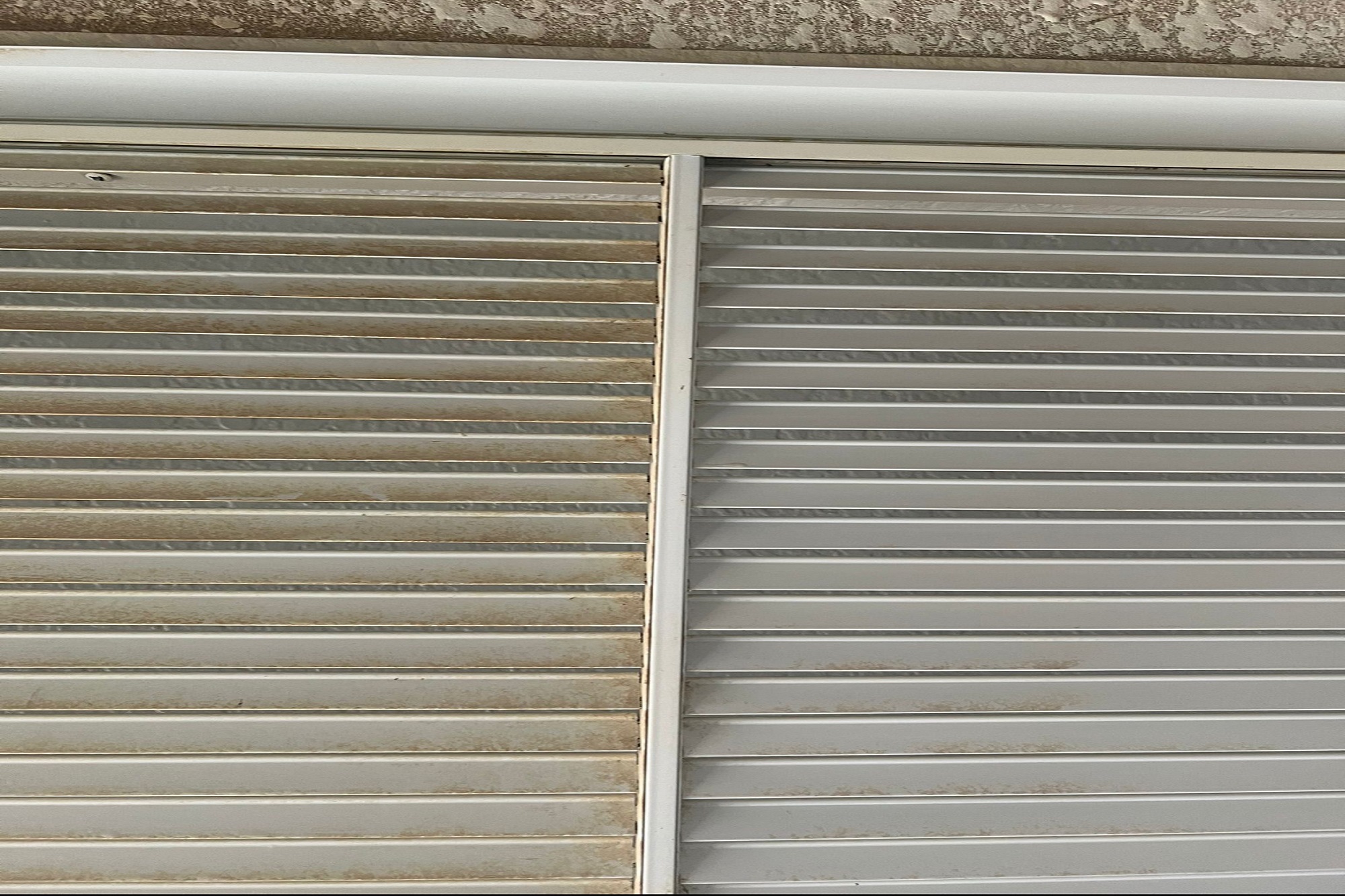
- Vents that look dusty or discolored around the edges even shortly after cleaning
- A musty smell when the AC first kicks on
- Rooms that feel stuffier than others despite similar vent sizes
- Noticeably more dust settling on furniture between regular cleanings
Any one of these can point to buildup inside the duct system that’s being circulated every time the AC cycles on, which, as we’ve covered, is often. A clogged dryer vent adds a separate concern on top of this — it’s a well-known cause of home dryer fires, and the same near-constant humidity that affects your AC ductwork can make dryer vents, including roof-mounted ones common in this area, clog faster too.
Working With the Climate, Not Against It
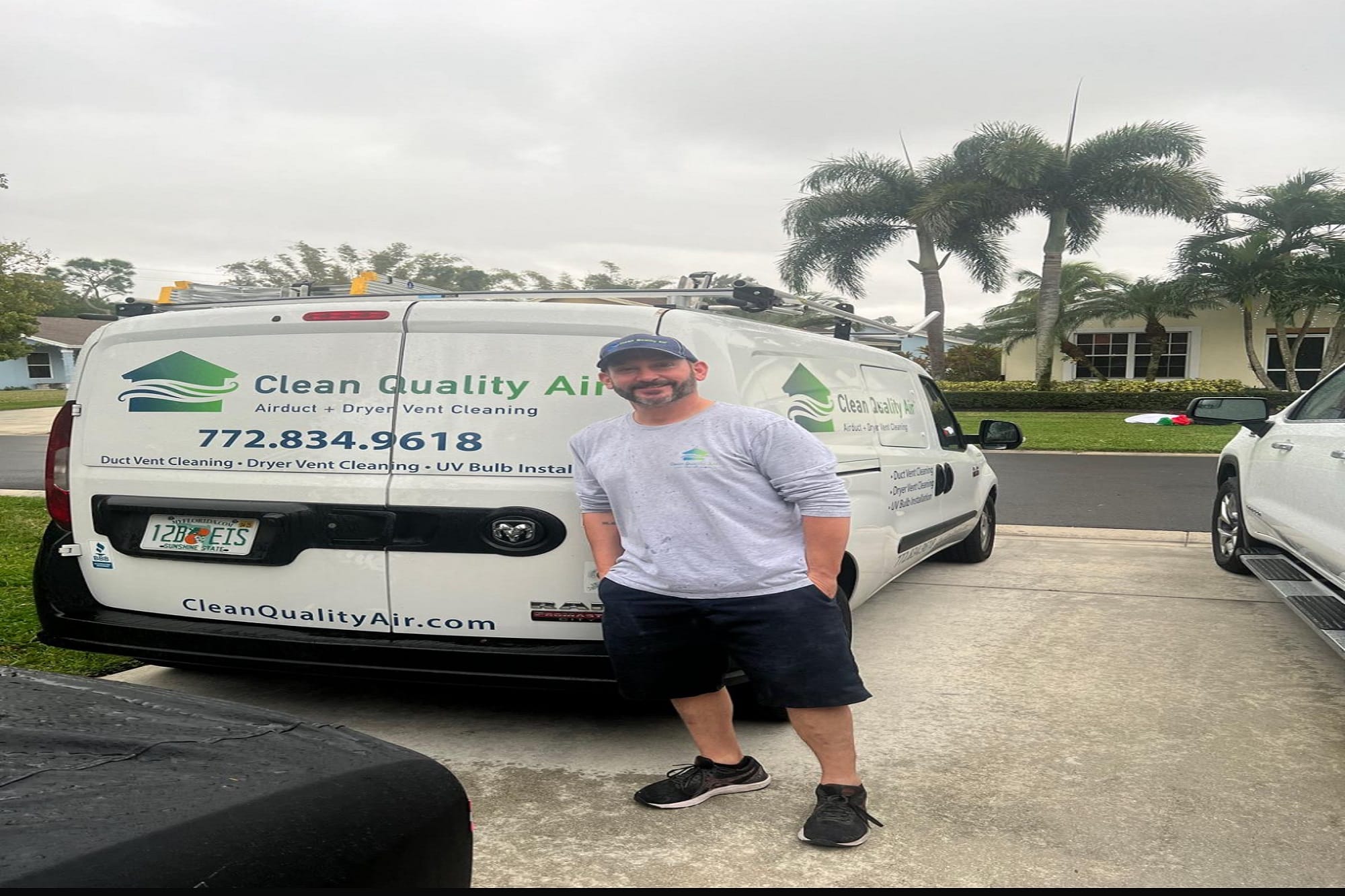
You can’t change how many months a year South Florida needs air conditioning. What you can control is how well your system handles that workload. Clean Quality Air is a family-owned company working on both residential and commercial systems throughout Boynton Beach, West Palm Beach, Palm Beach Gardens, Jupiter, Hobe Sound, Stuart, Port St Lucie, Fort Pierce, and Vero Beach. Covering that much of the Treasure Coast corridor, across Palm Beach, Martin, and St. Lucie counties, means we see the same near-constant cooling demand play out in home after home, and we know what that does to ductwork over time.
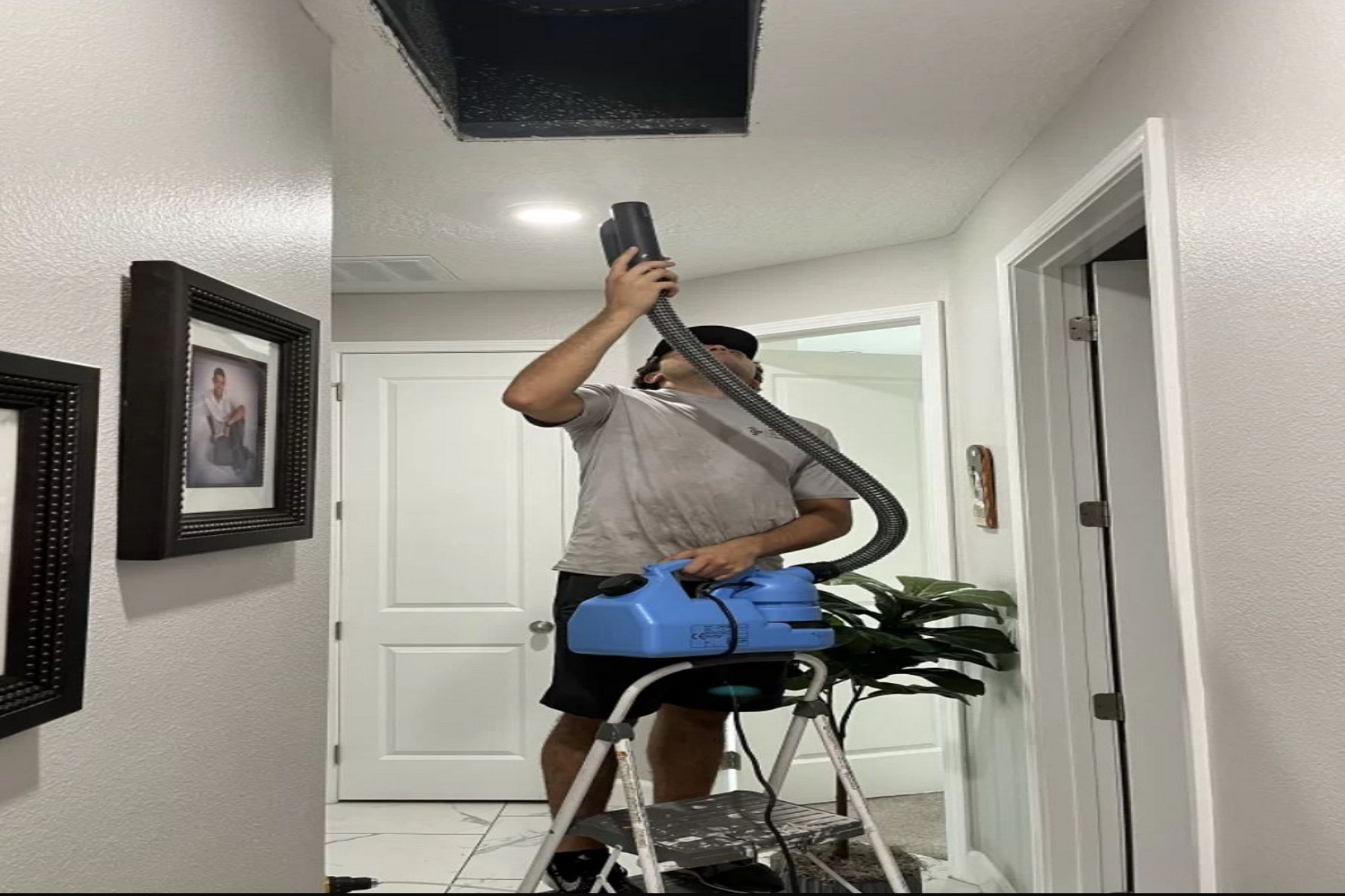
If it’s been a while since anyone looked inside your air ducts, or you’ve noticed any of the signs above, it’s worth having a professional take a look. Clean Quality Air holds a 5.0-star rating across 263 Google reviews from homeowners in this service area. Give us a call at (772) 834-9618 or request a free quote to get your ductwork evaluated before another full cooling season adds to the load.