
If you share your home with a dog or cat, you already know the fight against loose hair never really ends. What most pet owners don’t realize is that a good chunk of that hair isn’t landing on the couch or the rug at all — it’s getting pulled into the return vents and settling somewhere you can’t see. Pet hair in air ducts is one of those problems that builds quietly for years before it ever shows up as a symptom you’d notice, like weak airflow or a musty smell when the AC kicks on.
Here in South Florida, where air conditioning runs almost constantly for most of the year, that airflow is doing a lot of extra work. Every time your system cycles, it’s pulling household air — and everything floating in it — back through the return vents. For pet owners, that means fur, dander, and skin cells are getting swept into the system on a near-continuous loop.
How Pet Hair Actually Gets Into the System
It starts simple. Your dog shakes off after a nap, your cat grooms itself on the rug, and loose hair ends up airborne — carried by ceiling fans, foot traffic, or just normal air movement in the room. Return air vents are basically vacuum intakes for your HVAC system, and they’re constantly drawing in whatever’s floating nearby.
Most of that hair gets caught by your air filter, which is exactly what it’s there for. But filters aren’t perfect, and they’re not the only entry point:
- A filter that’s slightly undersized, poorly seated, or overdue for a change lets fine hair and dander slip past the edges
- Return vents in rooms where pets sleep or spend most of their time see a much heavier load than others
- Hair that’s fine enough gets pulled straight through standard filters, especially lower-MERV options that prioritize airflow over filtration
- Loose vent covers or gaps around registers give hair a direct path into the duct cavity, bypassing the filter altogether
Where It Collects Once It’s In There
Once hair makes it past the filter, it doesn’t keep floating around forever — it settles. Ductwork has bends, joints, and horizontal runs where airflow slows down just enough for debris to drop out and stick, especially when it’s tangled with dust, dander, and the humidity that’s always present in a Florida attic or crawlspace.
The usual collection points are pretty predictable:
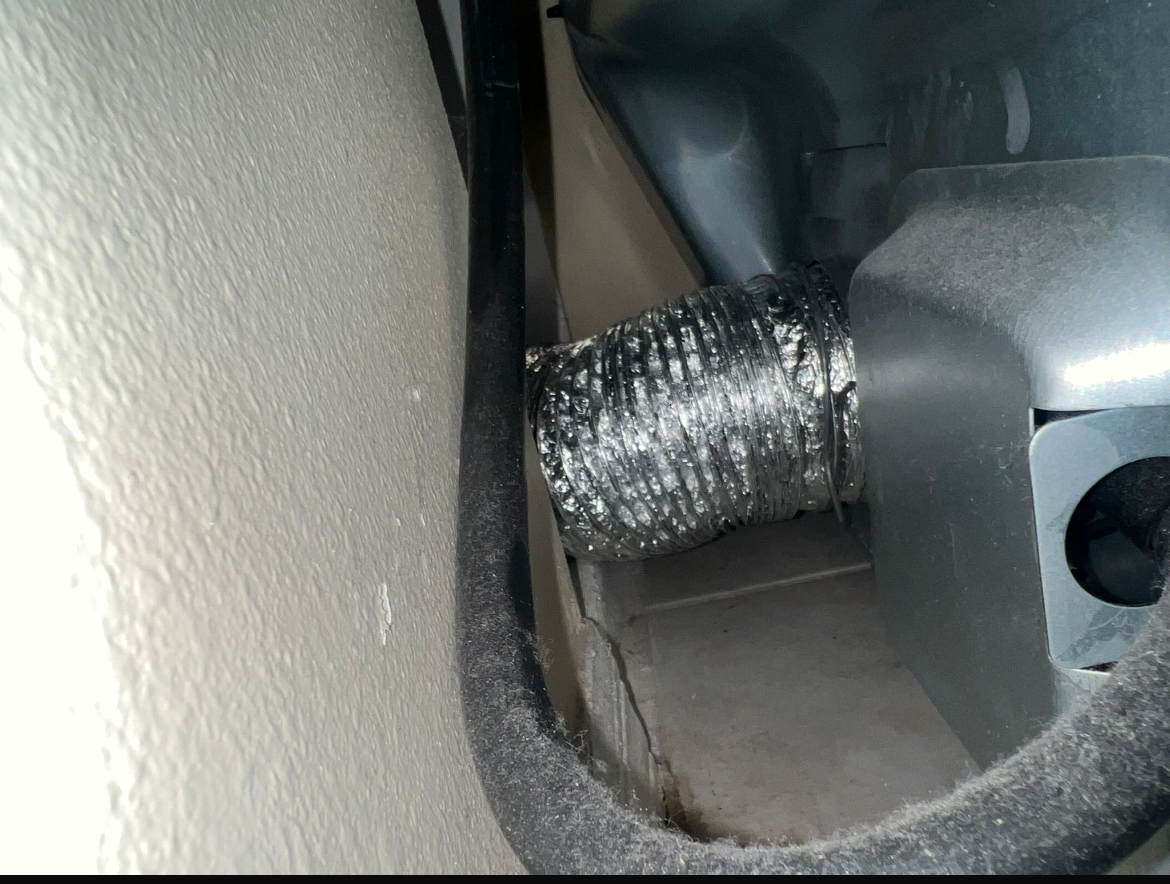
- Elbow joints and transitions — anywhere the duct changes direction, airflow slows and debris drops out of suspension
- Near the blower/coil assembly — hair and dander that make it this far can mat around the evaporator coil and blower fan, which is one reason cooling performance quietly declines over time
- Low points and horizontal runs — gravity does what gravity does, and long flat sections accumulate more than vertical drops
- Around damaged or loose seams — hair snags on rough edges or exposed insulation, then builds up layer by layer
Over months and years, this isn’t just a handful of stray hairs. It’s a slow accumulation that mixes with dust and moisture to form a denser buildup along the interior walls of the ducts — the kind you’d never see just by looking at your vent covers.
Why This Matters Beyond “It’s Kind of Gross”
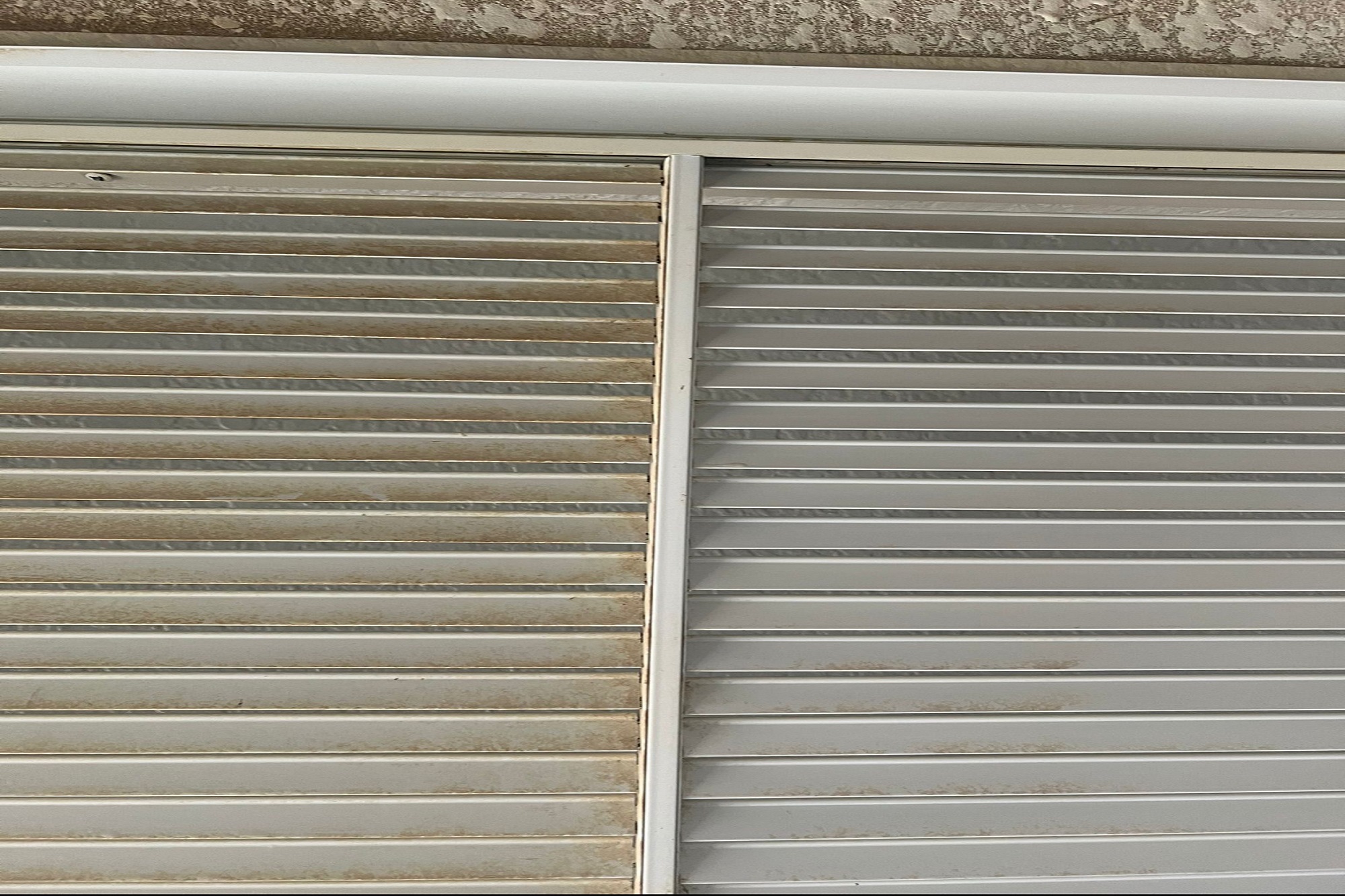
Beyond the yuck factor, accumulated pet hair inside ductwork affects the system mechanically. Hair matted around a blower fan or coil makes your HVAC system work harder to move the same amount of air, which shows up as higher energy use and rooms that take longer to cool. Vent covers that look clogged or discolored around the edges are often a visible clue to what’s built up just inside.
There’s also the air quality angle. Every time the system cycles, some of that trapped dander and hair gets redistributed back into your living space — which is exactly the opposite of what you want if anyone in the house deals with pet allergies or asthma. A duct system that’s carrying years of pet hair buildup isn’t filtering your air so much as recirculating a portion of the problem.
What Actually Helps Between Cleanings
You can’t stop pet hair from reaching your vents entirely, but a few habits slow the buildup considerably:
- Check and change your air filter more often than the general household recommendation — pet households typically need it more frequently than non-pet homes
- Vacuum and dust around return vents regularly so less loose hair gets pulled in during each cycle
- Brush pets often, especially heavy shedders, to reduce the amount of loose hair circulating in the home in the first place
- Keep vent covers secure and free of gaps so hair isn’t sneaking past the filter through the register itself
None of that removes what’s already built up inside the ductwork, though. Filters only catch what passes through them going forward — they don’t do anything about years of accumulated hair and dander already coating the inside of your duct runs.
When It’s Time to Have the Ducts Actually Cleaned
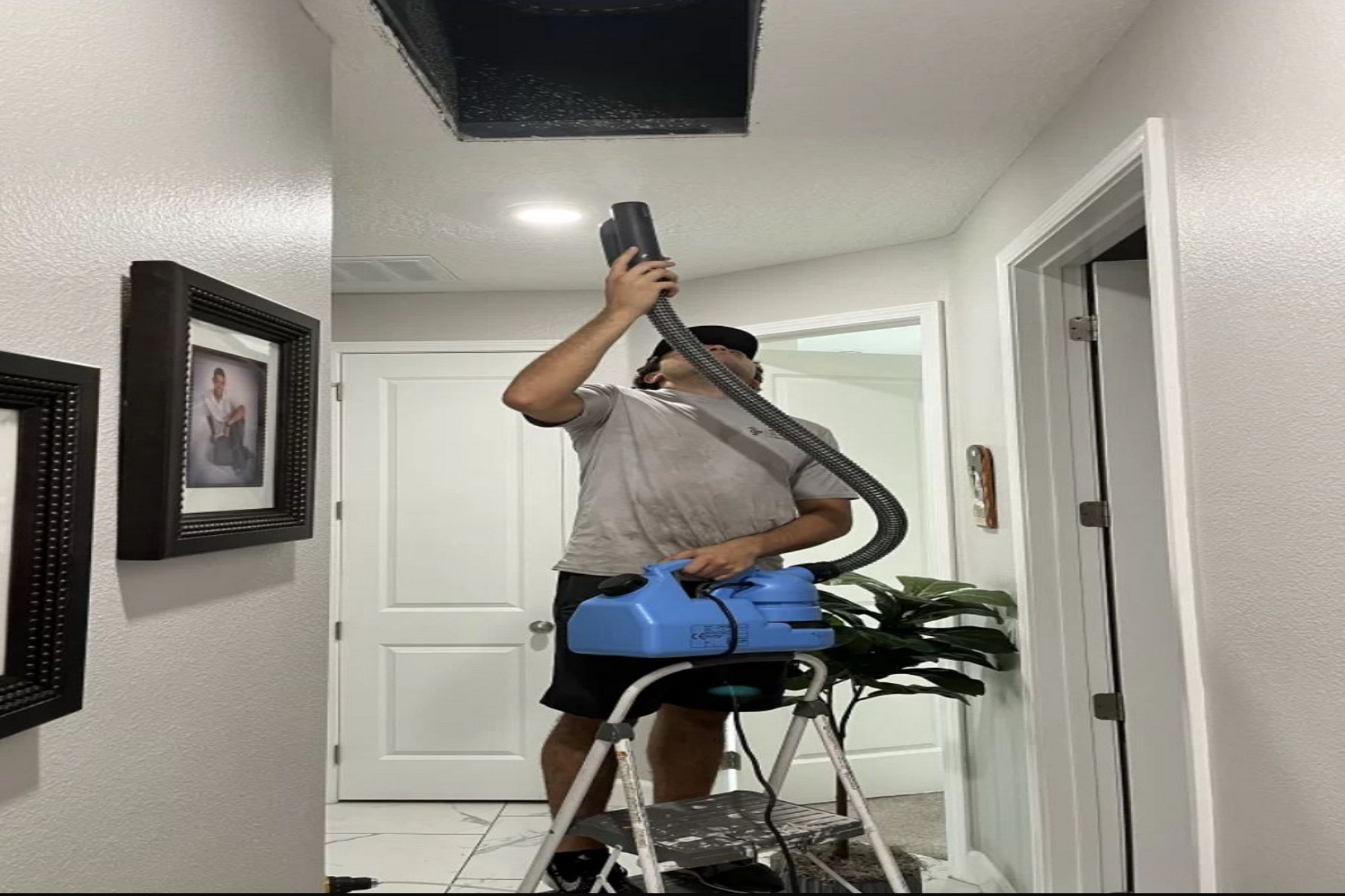
If it’s been years since your ducts were cleaned — or never — and you’ve had a pet in the house that whole time, there’s a good chance more has built up than you’d expect. Clean Quality Air is a family-owned business serving a wide stretch of the Treasure Coast and South Florida — Boynton Beach, West Palm Beach, Palm Beach Gardens, Jupiter, Hobe Sound, Stuart, Port St Lucie, Fort Pierce, and Vero Beach, covering Palm Beach, Martin, and St. Lucie counties. We clean out what’s collected in the ductwork — the pet hair, dander, and dust that filters alone can’t catch — so your system is moving clean air instead of recirculating what it’s trapped over the years.
Give us a call at (772) 834-9618 or request a free quote to find out what’s really built up in your ducts.