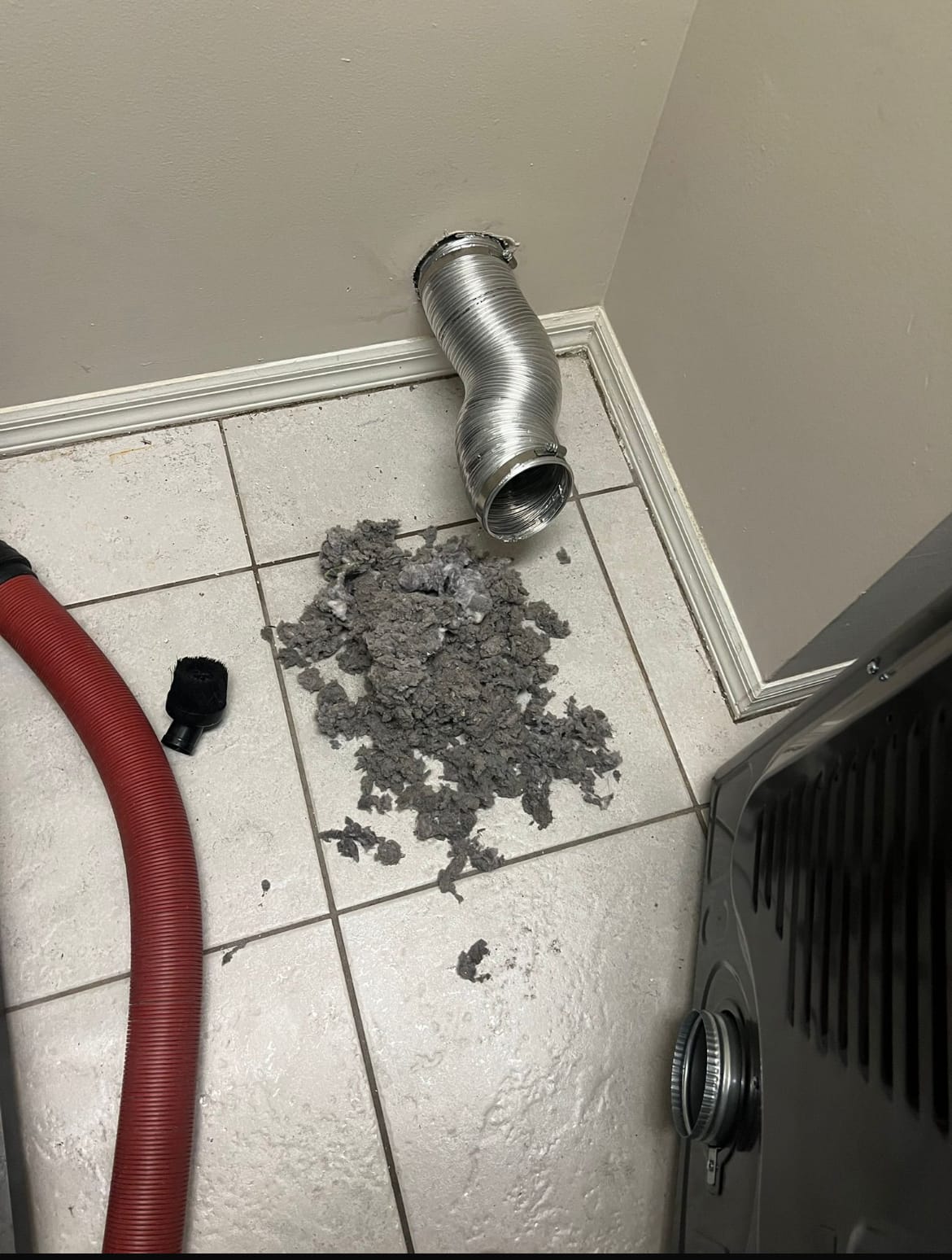
If your air conditioner has been running longer, working harder, or just not keeping up the way it used to, the problem might not be the unit at all. The link between dirty ducts and AC unit strain is one of the most overlooked connections in home cooling — homeowners replace thermostats, top off refrigerant, or call for compressor repairs, when the real bottleneck is sitting quietly inside the ductwork the whole time. Understanding how airflow and mechanical strain relate to each other can save you a lot of wasted diagnostic time — and a shorter-lived AC system.
Your AC System Is Built Around Airflow, Not Just Cooling
It’s easy to think of an air conditioner as a machine that “makes cold air.” What it actually does is move air across a cold coil, over and over, pulling heat and humidity out of your home one cycle at a time. That entire process depends on a steady, predictable volume of air moving through the system.
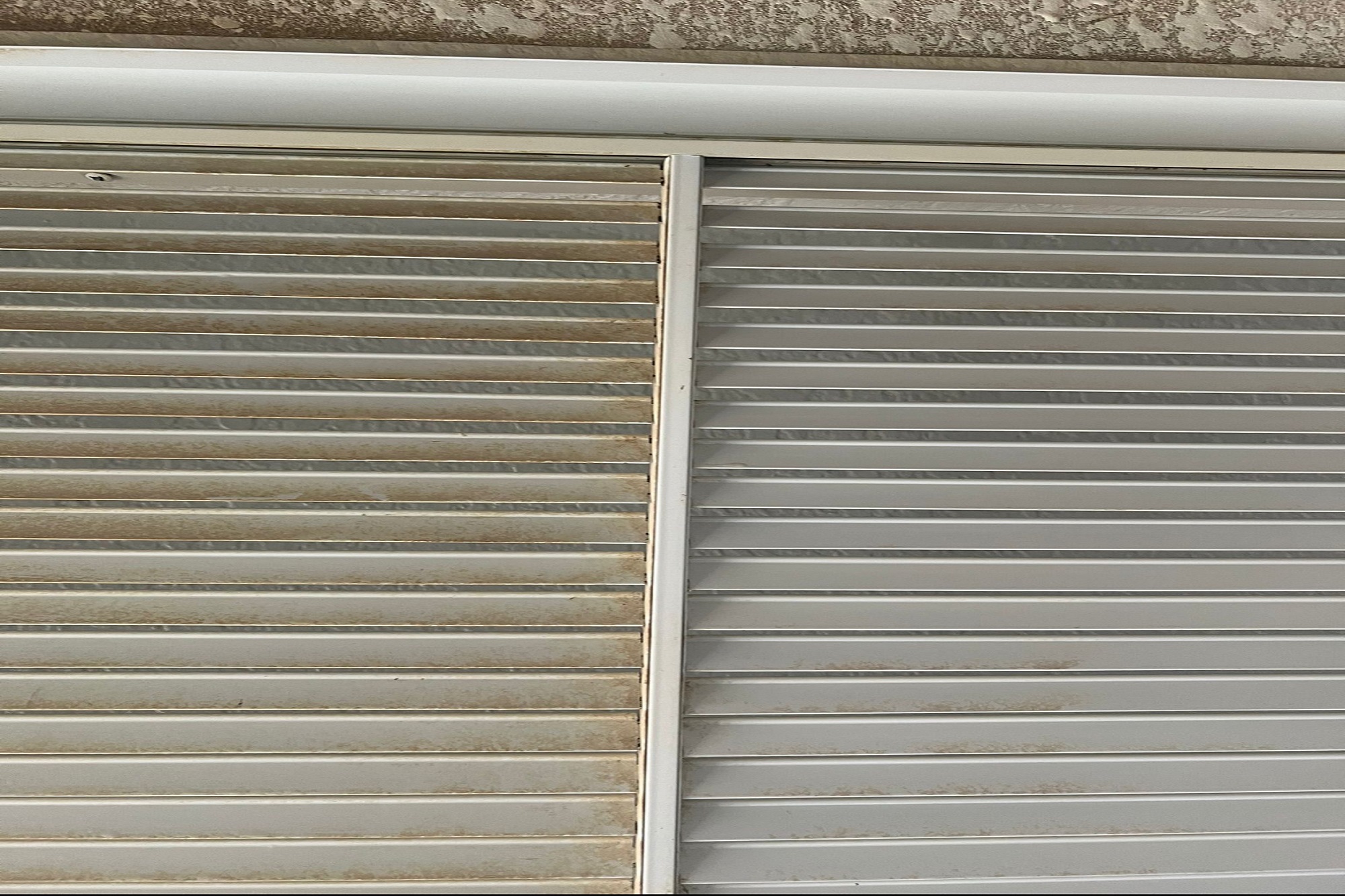
Your ductwork is the delivery system for that airflow. When ducts are clean, air moves through with minimal resistance — the blower motor pulls air in, pushes it across the coil, and sends it back out through the vents without fighting anything along the way. When ducts are coated in dust, pet hair, and debris, that pathway narrows. The blower has to push harder to move the same amount of air, and the whole system starts compensating for a problem it wasn’t designed to solve.
How Restricted Airflow Turns Into Mechanical Strain
Think of it like breathing through a clean straw versus one that’s partially pinched. You can still get air through, but it takes more effort every single time. Your AC system experiences something similar:
- The blower motor works harder to push air through narrowed, dust-lined ducts, running longer and drawing more power to move the same volume of conditioned air.
- The evaporator coil can run colder than it should, because reduced airflow across it changes the heat exchange process — this is a common contributor to coil icing.
- The compressor cycles more often, since the system struggles to reach and hold the temperature set on your thermostat, which means more start-stop cycles over the course of a day.
- Pressure inside the system shifts, and components that were engineered to operate within a specific airflow range start operating outside of it.
None of this happens overnight. It’s a gradual squeeze — a little more resistance every month as dust and debris build up along duct walls, register boots, and return lines. Most homeowners don’t notice the shift until the AC is running noticeably longer cycles or the energy bill creeps up without an obvious explanation.
Signs Your Ducts Might Be Behind an AC That’s Struggling
Dirty ducts and AC unit strain don’t usually show up as one dramatic failure — it’s more often a handful of small annoyances that add up. Some patterns worth paying attention to:
- Certain rooms feel noticeably warmer or cooler than others, even with the thermostat set consistently.
- The system runs in longer cycles than it used to, or seems to run almost constantly during peak heat.
- Vents have visibly less airflow coming out of them compared to when the system was newer.
- You notice dust resettling on furniture and surfaces shortly after cleaning.
- Energy bills have crept upward without a clear cause like a rate increase or an unusually hot stretch of weather.
Any one of these on its own could point to several different issues. But together, especially in a home that hasn’t had duct maintenance in a while, they paint a pretty consistent picture of restricted airflow putting extra load on the system.
Why This Matters More in South Florida Homes
Air conditioners in Palm Beach, Martin, and St. Lucie counties don’t get much of a break. Unlike homes in milder climates where the AC cycles on seasonally, systems here run near-constantly for a large part of the year. That means any airflow restriction isn’t a once-in-a-while inconvenience — it’s a daily, compounding source of extra wear on a system that’s already working overtime just to keep up with South Florida heat and humidity.
Humidity adds another layer to this. Damp air moving through ductwork makes it easier for dust to stick to duct walls rather than blow through, which means airflow restriction can build up faster here than in drier climates. A system that’s already running long hours to manage heat and humidity has even less margin for the added strain of restricted ducts.
What Cleaner Ducts Actually Change
Restoring proper airflow through the ductwork doesn’t change what your AC unit is — it changes how easily the unit can do its job. With a clear path for air to move, the blower isn’t fighting resistance, the coil operates within its intended range, and the compressor isn’t cycling more than it needs to just to compensate for restricted flow. Over time, that adds up to a system that isn’t being asked to work outside the conditions it was engineered for.
This applies to both residential and commercial properties, and it’s just as relevant for the return side of the system as the supply side — restricted return airflow can starve the whole system just as easily as blocked supply vents.
A Simple Step Worth Taking
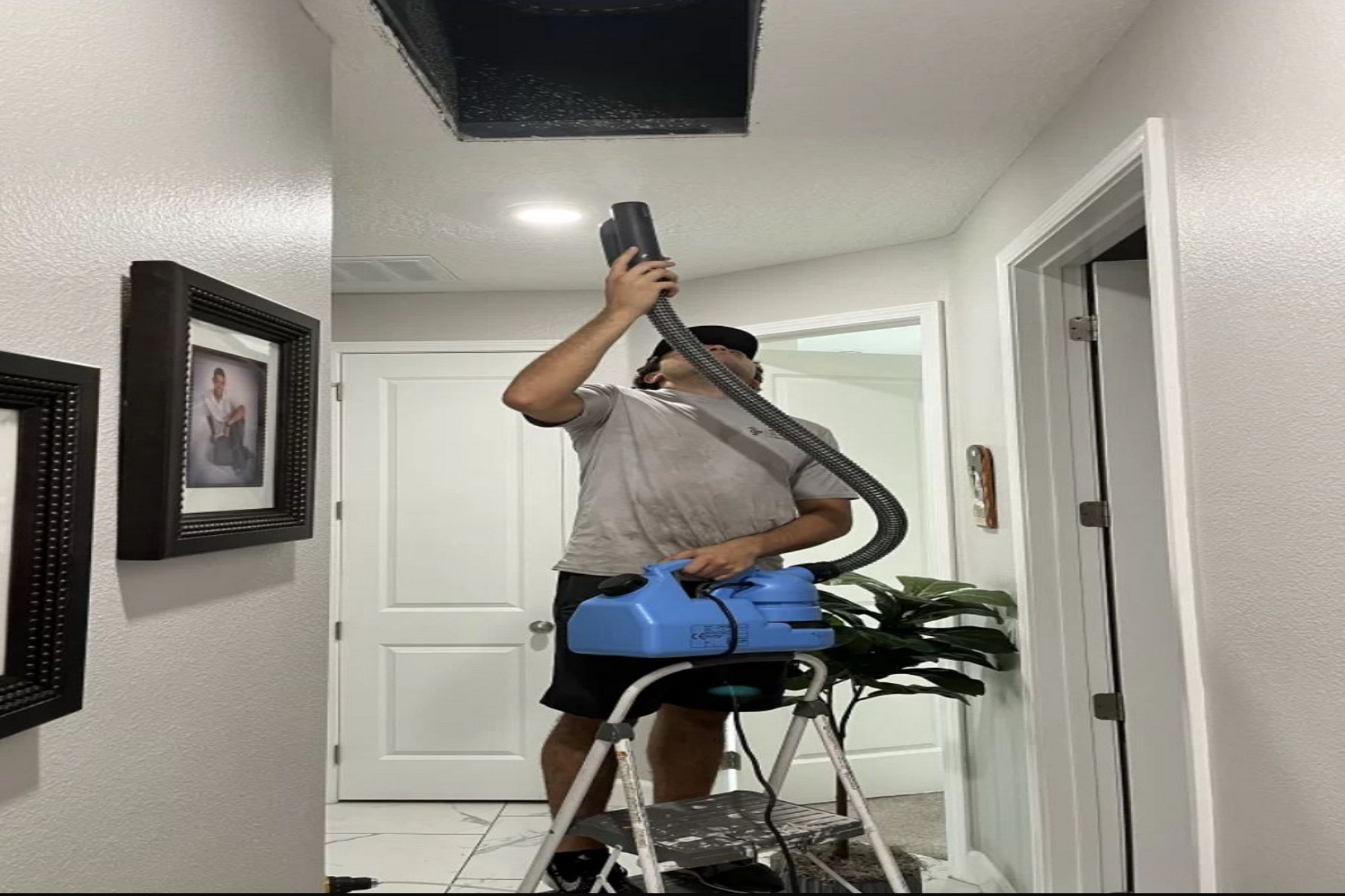
You don’t have to guess whether airflow restriction is contributing to your AC’s workload. Clean Quality Air is family-owned and has been serving Boynton Beach, West Palm Beach, Palm Beach Gardens, Jupiter, Hobe Sound, Stuart, Port St Lucie, Fort Pierce, and Vero Beach for years, with a 5.0-star rating across 263 Google reviews from homeowners across the Treasure Coast and Palm Beach County. Jeff and the team look at the full picture — supply ducts, return lines, and vent covers — to identify where airflow is actually being restricted.
If your AC has been working harder than it should, it’s worth ruling ductwork in or out before assuming the unit itself is failing. Call Clean Quality Air at (772) 834-9618 or request a free quote to get your ducts evaluated — a straightforward step that could take real strain off a system that’s been quietly overworking itself.