Pull your AC filter out right now and look at it. What you’re holding is one of the best free diagnostic tools in your house. A dirty AC filter tells you a lot more than “time to grab a new one” — it’s a snapshot of what’s circulating through your entire duct system, and if you know what to look for, it can flag problems long before they show up as a bigger repair bill. Most homeowners toss the old filter and move on without ever reading it. That’s a missed opportunity.
Why the Filter Is a Window Into the Ducts
Every cubic foot of air your system moves passes through that filter, sometimes several times an hour. It’s the one component in the whole system you can actually see and touch without calling anyone. The ductwork behind your walls and above your ceiling is a mystery to most people — but the filter tells the story of what’s traveling through that hidden network, because whatever doesn’t get trapped on the filter surface ends up coating the inside of your ducts instead.
Think of it as a checkpoint. Dust, pet dander, pollen, insulation fibers, even fine construction debris all get pulled toward that checkpoint. What builds up there, how fast it builds up, and what it looks like are all clues about what’s happening upstream and downstream of it.
What Different Filter Conditions Actually Mean
Not all dirty filters are dirty in the same way. The pattern matters as much as the fact that it’s dirty.
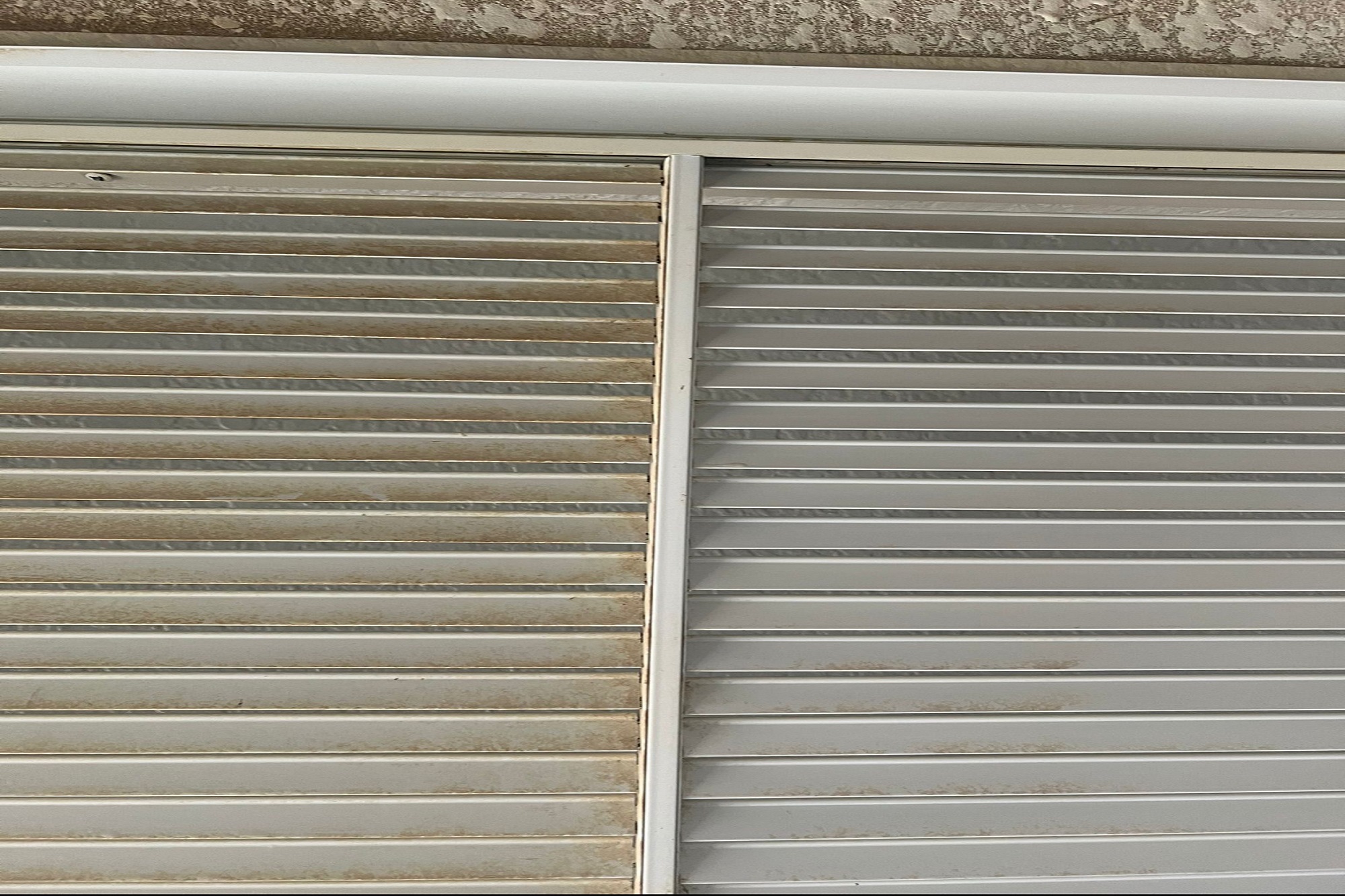
- Even, gray dust coating the whole surface: Normal household dust load. If this happens fast (weeks instead of months), your ducts are likely acting as a reservoir, kicking dust back into circulation faster than the filter can catch it.
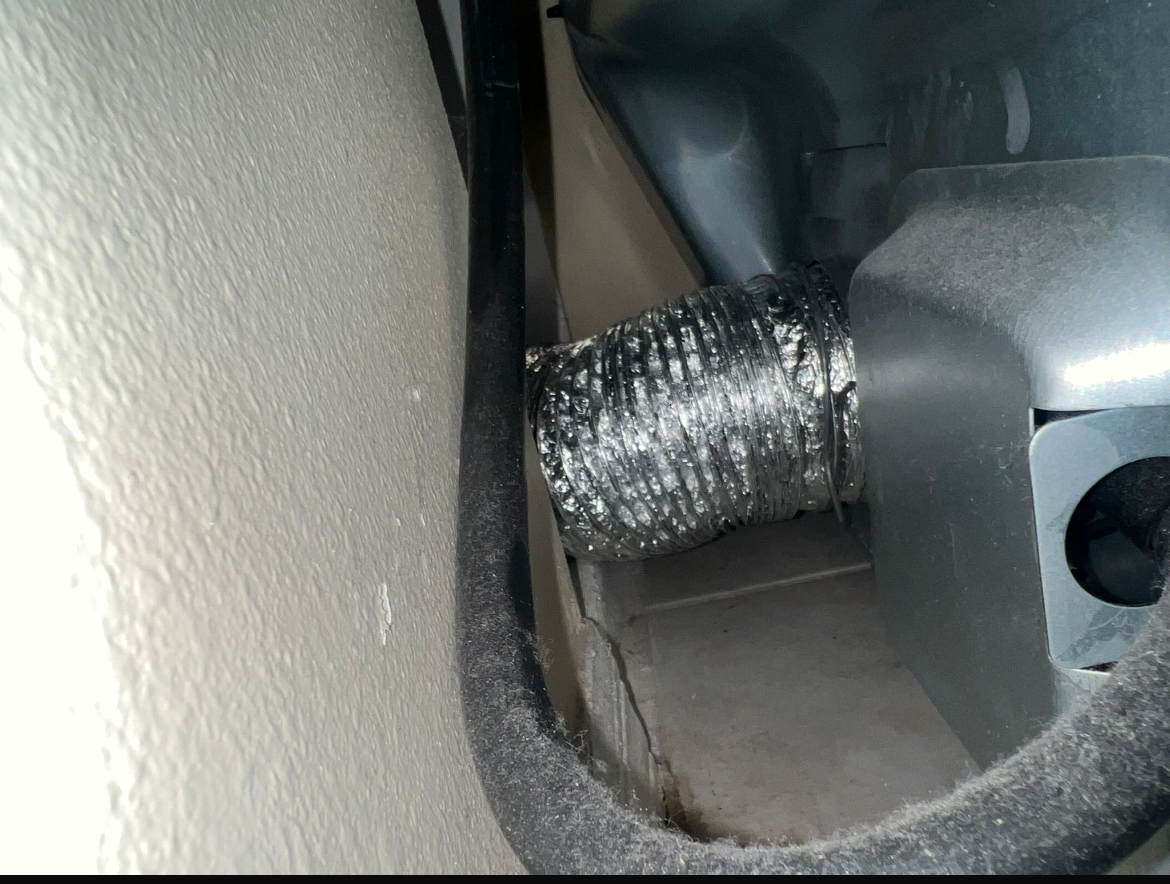
- Heavy fuzzy or fibrous buildup: Often a sign of loose insulation or degrading duct liner somewhere in the system, especially in older flex duct runs.
- Dark, almost sooty buildup: Can point to combustion byproducts if you have a gas appliance nearby, or heavy urban/traffic pollutants being pulled in through a leaky return.
- Damp, musty-smelling, or slightly slimy filter: A moisture problem. This is one of the more serious signs, since it usually means condensation or humidity is settling somewhere in the system, and that’s the kind of environment where mold and mildew take hold inside ductwork.
- Filter clogs unevenly, heavier on one side: Suggests airflow imbalance, sometimes tied to duct leaks or a collapsed section pulling air unevenly through the return.
How Fast It Gets Dirty Matters As Much As How It Looks
A filter that’s noticeably gray after two or three weeks, when it used to last a couple of months, is telling you something changed. That change is rarely the filter’s fault. More often it means:
- A return duct or connection has developed a leak and is pulling in attic or crawlspace air along with household dust
- Ductwork that was recently disturbed (renovation, attic work, pest activity) is now shedding debris into the airflow
- The system is recirculating dust that’s already settled deep in the duct runs, essentially feeding itself
This is the piece most people miss when they think about what a dirty AC filter means. It’s not just about the filter’s job of protecting your equipment. Fast, heavy buildup is often the ductwork itself becoming part of the problem instead of a neutral pathway for air.
When It’s a Filter Issue vs. a Duct Issue
Swapping filters on schedule and staying disciplined about it is good practice, no argument there. But if you’re already doing that and still seeing rapid buildup, musty odors when the AC kicks on, uneven cooling room to room, or a layer of dust that resettles on furniture within days of dusting, the filter has done its job of showing you a downstream problem. Replacing filters faster doesn’t fix ducts that are already loaded with years of buildup — it just means you’re changing filters more often while the real source keeps feeding the cycle.
We see this pattern often across Palm Beach, Martin, and St. Lucie counties, where humidity plays a bigger role in duct condition than most homeowners expect. South Florida’s combination of heavy AC runtime and high ambient moisture creates conditions where ducts accumulate buildup faster than in drier climates, which is part of why filter changes alone don’t always solve what looks like a filter problem.
What To Do With What You’ve Learned
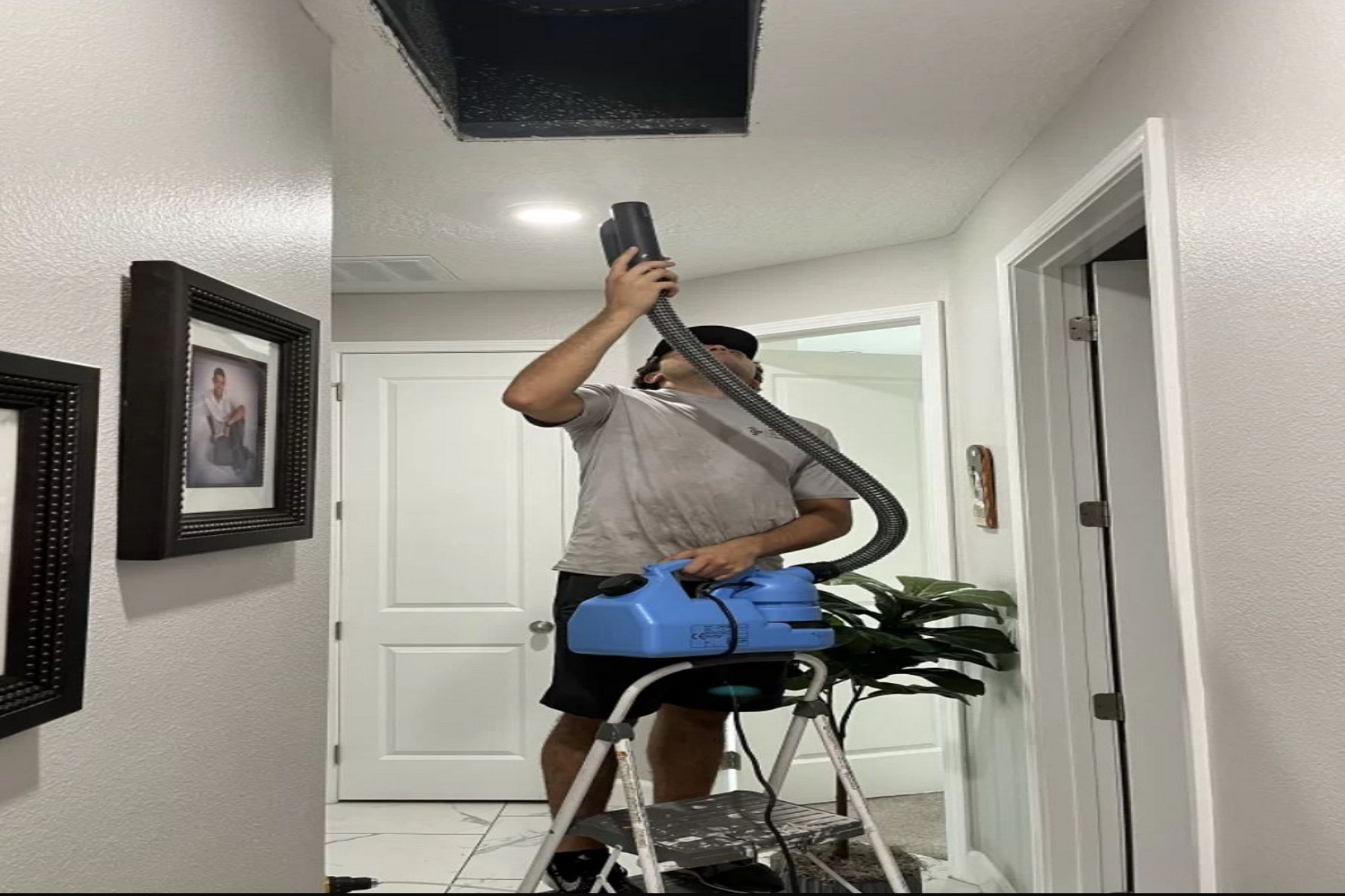
Once you’ve read the signs, the next step is simple. If your filter pattern points toward moisture, uneven airflow, or unusually fast buildup, that’s worth having a closer look at the ducts themselves rather than just cycling through more filters. A visual inspection of accessible duct sections, paired with a look at your return air pathway, usually tells you whether you’re dealing with a simple maintenance gap or something that’s been building for a while.
Clean Quality Air has been doing exactly this kind of work for homeowners and businesses throughout Boynton Beach, West Palm Beach, Palm Beach Gardens, Jupiter, Hobe Sound, Stuart, Port St Lucie, Fort Pierce, and Vero Beach. As a family-owned business with a 5.0-star rating across 263 Google reviews, we’ve learned to read the same signs — and which ones are worth a second look versus just part of everyday South Florida living.
If your filter has been telling you a story that doesn’t add up, don’t ignore it. Give us a call at (772) 834-9618 or request a free quote, and we’ll help you figure out what’s really going on behind the vents.