Getting your air ducts professionally cleaned feels great, right up until you wonder how long that clean air is actually going to last. Most homeowners can maintain clean air ducts for longer than they think, but it takes a few consistent habits between visits. It’s not about scrubbing vents every weekend. It’s about not undoing the work your HVAC system just had done.
We get asked a lot at Clean Quality Air whether there’s anything homeowners can do on their own to stretch the time between cleanings. There is, and none of it requires special tools or a Saturday afternoon lost to chores. It just requires knowing which habits actually matter and which ones are a waste of time.
Start With the Filter, Because Everything Else Depends on It
Your air filter is the single biggest factor in how quickly your ducts get dirty again. It’s the first line of defense between the air in your home and the inside of your ductwork, and when it’s clogged or the wrong type, dust and debris sail right past it and settle deep in the system.
- Check your filter monthly, especially during peak cooling or heating season when the system runs constantly
- Replace standard 1-inch filters every 30-60 days; thicker media filters can often go longer, but check the manufacturer’s guidance
- Hold the filter up to a light source — if you can’t see light through it, it’s overdue
- Don’t upgrade to the highest-MERV filter you can find without checking your system can handle it; a filter that’s too restrictive can strain the blower motor and reduce airflow throughout the house
Households with pets or anyone with allergies tend to need filter changes more often than the general 60-day rule of thumb. If you’re vacuuming pet hair off the furniture weekly, your filter is working overtime too.
Keep Vent Covers and Registers Actually Clean
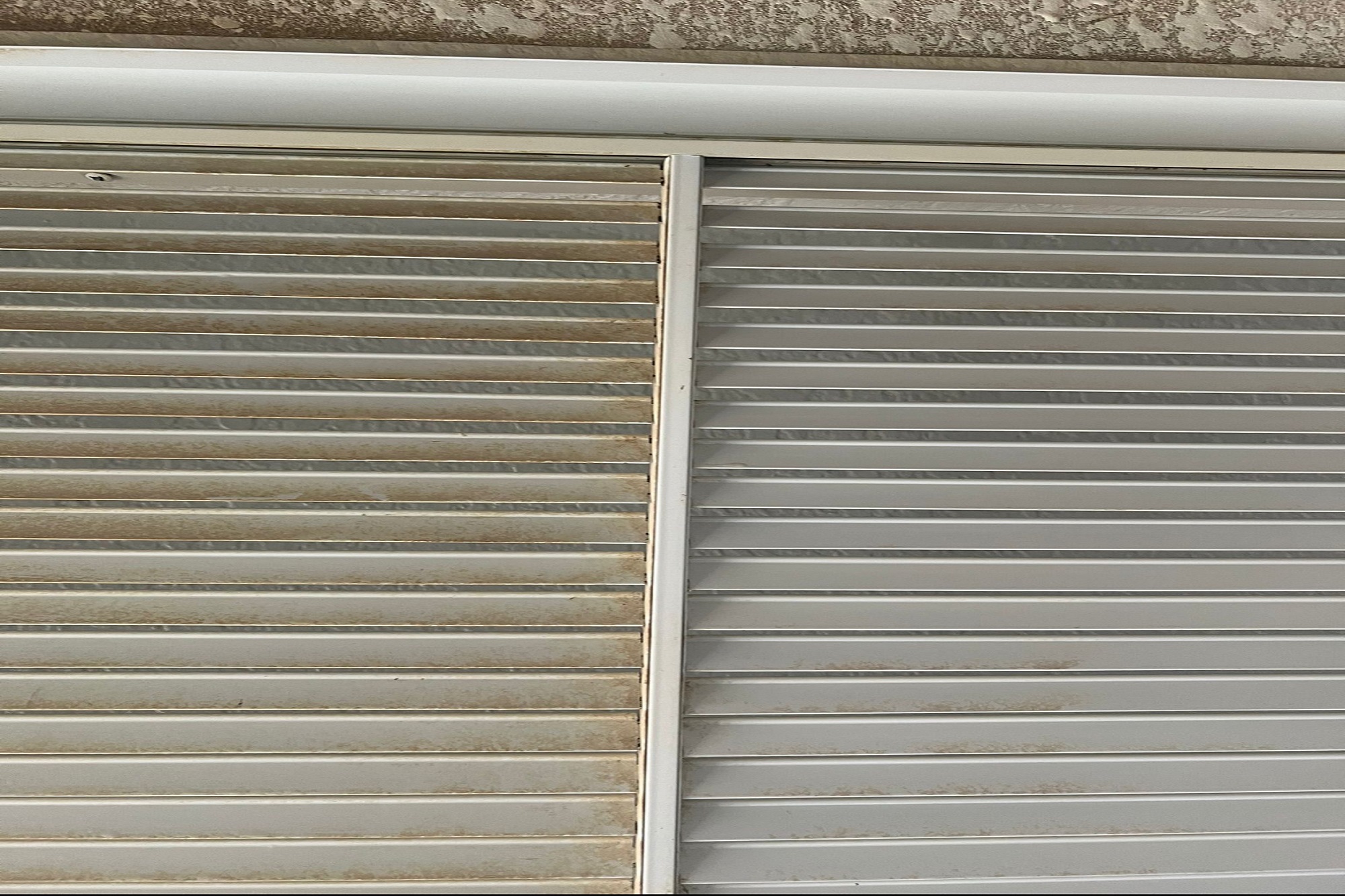
This is the maintenance step people skip most often, and it’s one of the easiest. Dust settles on supply and return vent covers constantly, and every time the system cycles on, some of that dust gets pulled back into the airflow.
Once a month, pull the covers or use a vacuum attachment to clean both the visible grille and just inside the duct opening as far as you can comfortably reach. A damp microfiber cloth works well for the covers themselves. This alone won’t replace what a full professional cleaning does deeper in the system, but it stops surface dust from continuously recirculating, which is a big part of what makes ducts feel dirty again quickly.
Don’t Block or Obstruct Your Vents
This sounds obvious until you walk through most homes and see furniture pushed over return vents, curtains draped across supply registers, or rugs covering floor vents. Blocked vents don’t just hurt airflow and comfort — they change air pressure throughout the duct system in ways that can pull dust and debris into gaps and joints that would otherwise stay cleaner longer.
A quick walk-through checklist:
- Keep at least a couple feet of clearance in front of every supply and return vent
- Don’t stack storage boxes in front of return air grilles in closets or utility rooms
- If you’re rearranging furniture, check where the vents are before you commit to a layout
- Make sure vent covers aren’t painted shut or warped in a way that restricts airflow
Watch the Small Things That Add Up
A few habits outside the ductwork itself make a real difference in how clean your system stays:
- Dust and vacuum regularly. Household dust is the raw material that ends up in your ducts. Regular vacuuming with a HEPA-filter vacuum and dusting hard surfaces reduces what’s available to get pulled into the system in the first place.
- Manage humidity. Excess moisture in a home can contribute to buildup inside ductwork over time. If you notice condensation on windows or a persistently damp feeling in certain rooms, that’s worth addressing.
- Stay on top of your dryer vent separately. Dryer vents and air ducts are different systems, but a clogged dryer vent forces lint and moisture into the surrounding air, and a clogged dryer vent is also a well-known cause of home dryer fires. If your dryer is taking longer than usual to finish a load, that’s a sign the vent needs attention.
- Change your HVAC filter on schedule, not when you remember. Set a phone reminder. It’s the single most forgettable task on this list and the most consequential.
Know When DIY Maintenance Has Reached Its Limit
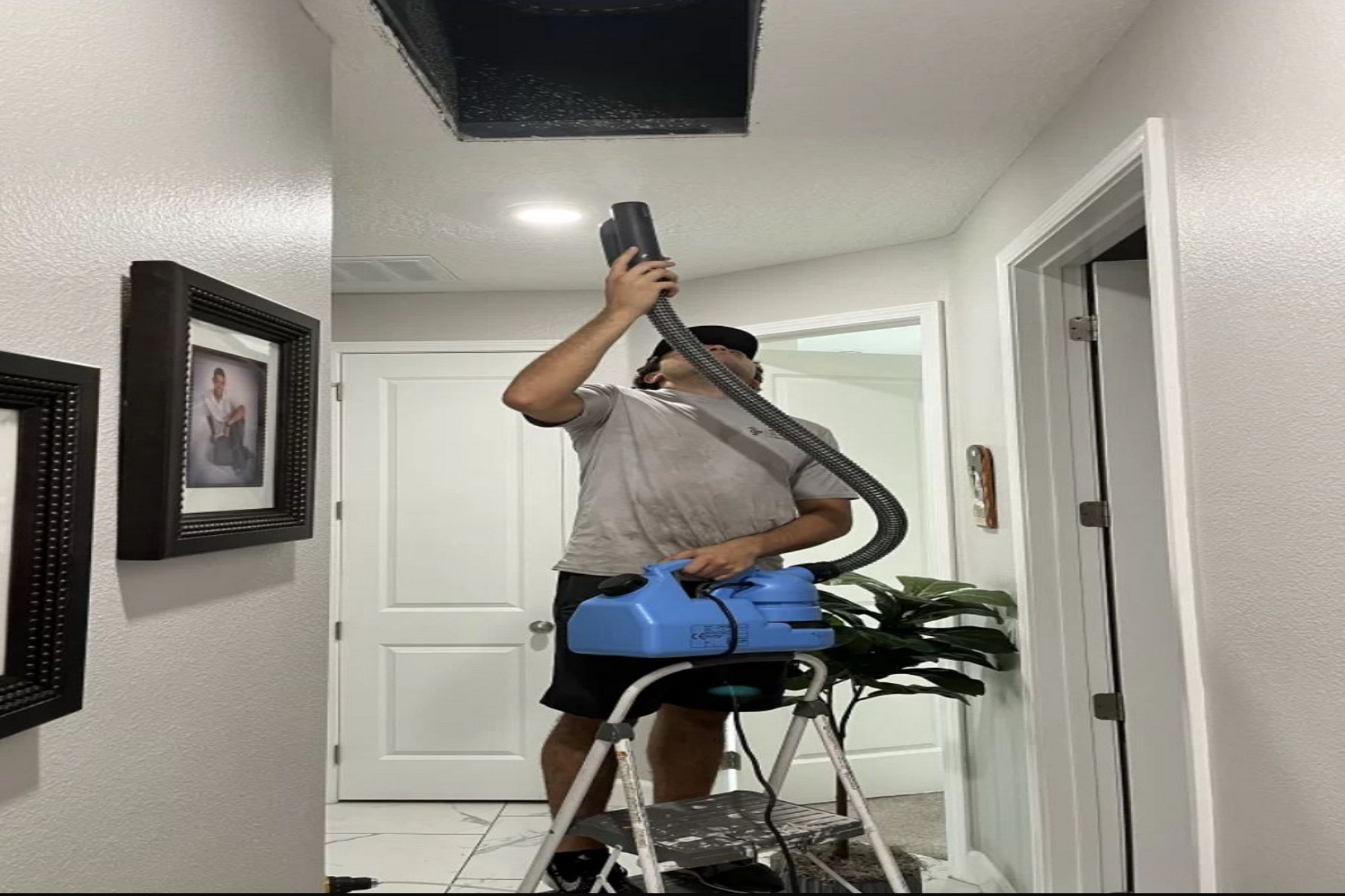
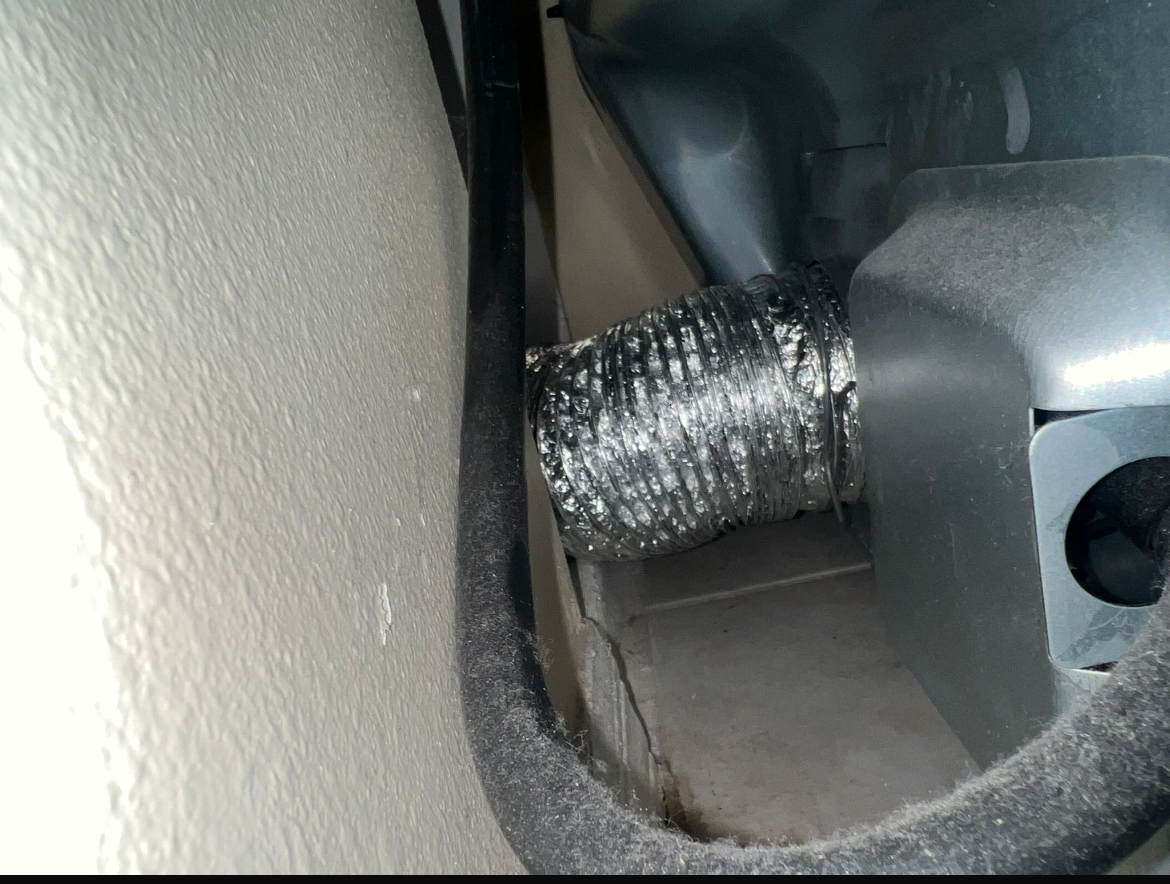
All of this genuinely helps you maintain clean air ducts longer, but it has a ceiling. None of these steps reach the interior of the ductwork itself — the trunk lines, the branch runs, the areas around the air handler where dust, debris, and in some homes, allergens actually accumulate over months and years. Vacuuming a vent cover cleans a few inches. It doesn’t touch what’s sitting twenty feet down a duct run.
If it’s been a while since your last professional cleaning, or you’re noticing dust returning to surfaces faster than it used to, more noise from the system, or rooms that don’t seem to get as much airflow as they should, those are signs the at-home habits have done what they can and it’s time for a deeper cleaning.
Clean Quality Air has been taking care of homes and businesses across Boynton Beach, West Palm Beach, Palm Beach Gardens, Jupiter, Hobe Sound, Stuart, Port St Lucie, Fort Pierce, Vero Beach, and the surrounding Palm Beach, Martin, and St. Lucie County communities for years, and we’re proud to be family-owned with a 5.0-star rating from 263 Google reviews. Whether you’re due for your next cleaning or just want a professional opinion on how your system is holding up, give us a call at (772) 834-9618 or request a free quote through our website. We’re happy to help you keep the air in your home cleaner for longer.