If you’ve ever compared the vent cover in your hallway ceiling to the one near your baseboard, you’ve probably noticed they don’t get dirty the same way. Ceiling vent cover cleaning is actually a different job than wiping down a wall register, and the reason comes down to basic physics: heat rises, dust settles, and gravity treats the two locations very differently. Once you understand why, it’s a lot easier to know what to look for in your own home and when it’s time to deal with it.
Why Ceiling Vents Stain the Way They Do
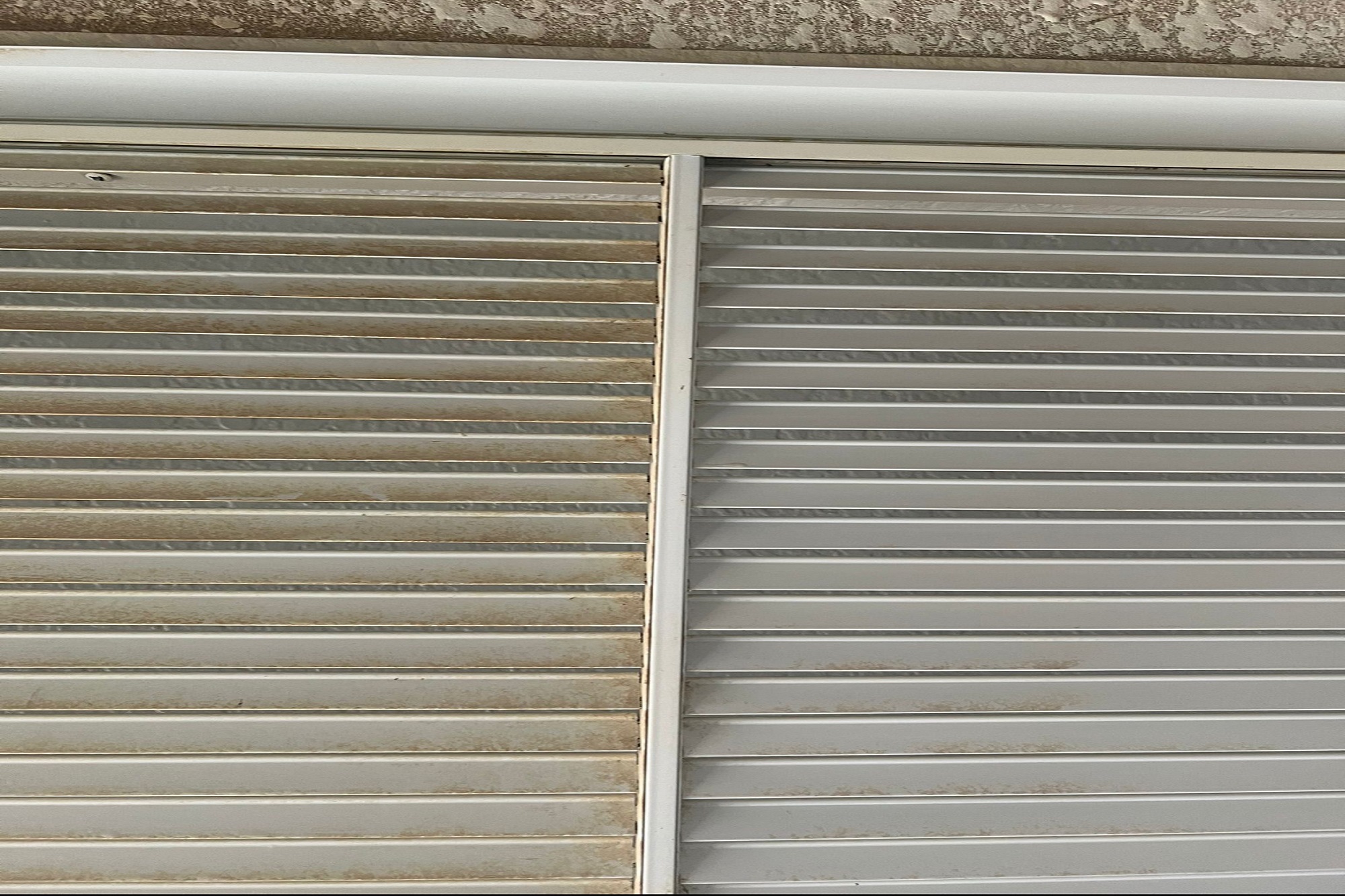
Ceiling-mounted supply and return vents tend to develop dark, sometimes sooty-looking streaks radiating out from the grille. That’s not mold in most cases — it’s a mix of airborne dust, fine soot from candles or cooking, and microscopic particles that get charged by the airflow and cling to the surrounding drywall and ceiling texture. Because warm air naturally rises and pools near the ceiling, that whole zone acts like a magnet for particulates, and the vent cover is right in the middle of it.
Over months and years, this creates the “ghosting” effect a lot of homeowners notice — faint gray or brown shadows fanning out across the ceiling near the vent. It’s cosmetic at first, but it’s also a visible sign that the duct behind that cover has been pushing the same particles through your living space for a long time.
What Makes Ceiling Vents Trickier to Access
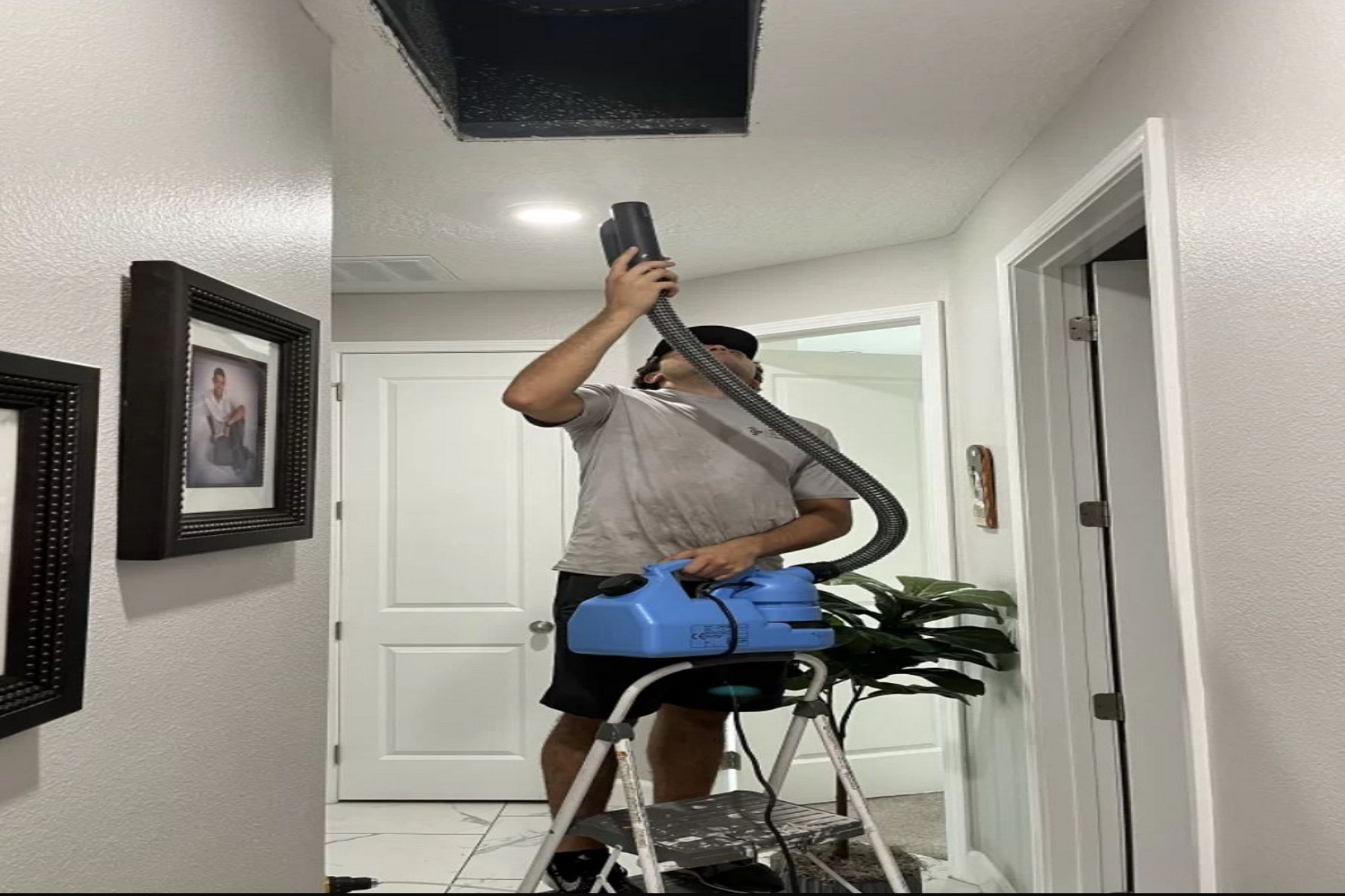
- Height and ladder work — most ceiling vents sit 8 to 10+ feet up, which means real ladder work or extension tools, not just reaching down.
- Screw-in or spring-clip mounts — many ceiling registers are held in with screws or tension clips rather than simply sitting in a frame, so removal takes more care.
- Ceiling texture around the grille — popcorn or knockdown texture can trap staining in the drywall itself, not just on the metal cover, which limits how much a simple wipe-down actually fixes.
- Return vents pull harder — large ceiling return grilles often move more air volume than a single wall register, so they accumulate buildup faster relative to their size.
Why Wall Vents Build Up Differently
Wall vents, especially the ones down near the floor or at baseboard height, deal with a different kind of grime entirely. Instead of airborne soot settling from above, they’re closer to foot traffic, pet hair, carpet fibers, and whatever gets kicked or vacuumed toward the wall. The buildup tends to look more like matted dust and fiber clumps at the louvers rather than the staining pattern you see on a ceiling.
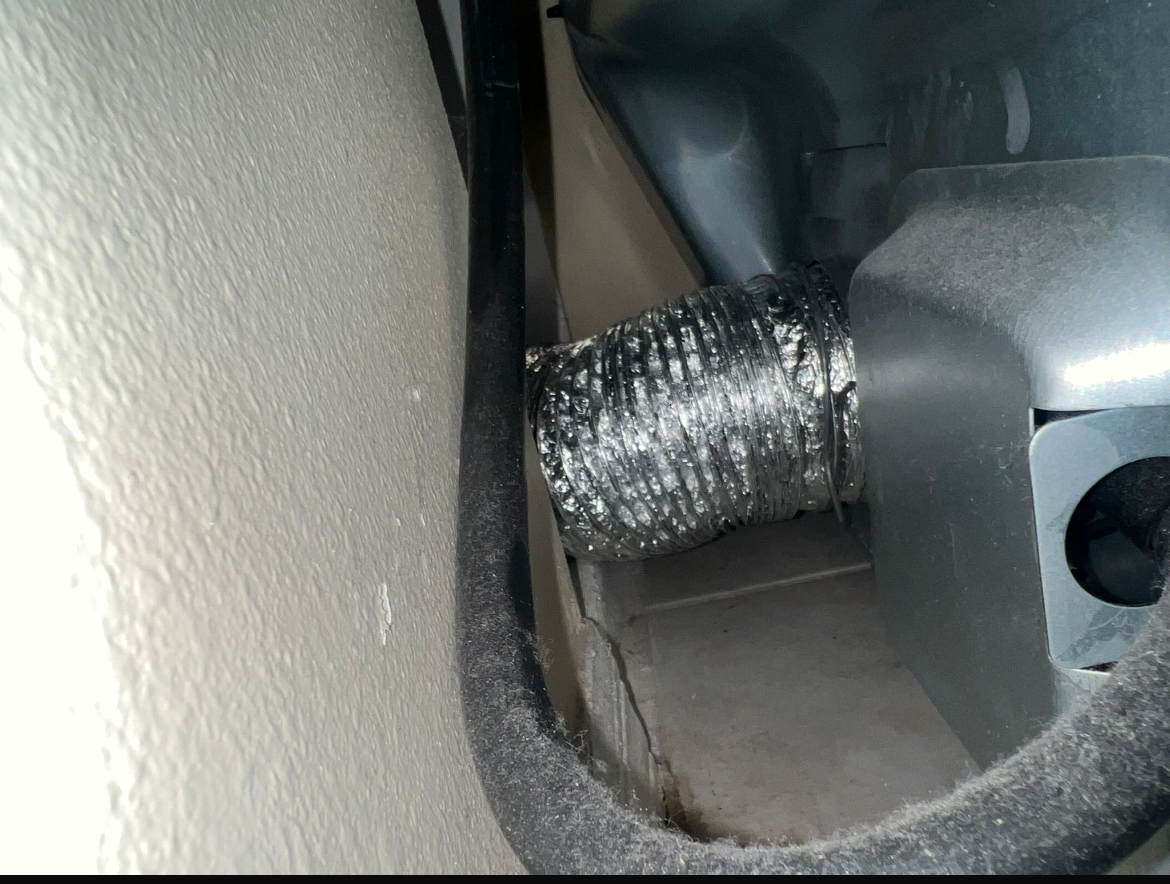
Wall vents are also easier to reach, which sounds like an advantage — and for basic surface dust, it is. But easy access can create a false sense of security. Homeowners wipe the visible louvers, the vent looks clean, and the assumption is that the job is done. What that quick wipe doesn’t touch is what’s sitting just past the register, inside the boot and the first few feet of duct, where fibers and debris tend to collect out of sight.
Side-by-Side Differences That Matter
- Buildup type: Ceiling vents show airborne soot and staining; wall vents show fiber, hair, and floor-level debris.
- Visibility: Ceiling staining is often noticed from across the room; wall vent buildup usually isn’t seen until you’re standing right over it.
- Access: Ceiling vents need ladders, and often two hands just to hold the cover steady while removing screws; wall vents are typically a simple unclip-and-pull.
- Airflow role: Large ceiling returns move a high volume of air continuously, which is part of why they accumulate visible grime faster than a single supply register on a wall.
Why This Matters for Cleaning, Not Just Appearance
The cover itself is really just the visible tip of the system. Whether it’s mounted in the ceiling or the wall, that grille connects straight back into the ductwork, and whatever’s built up on the outside of the cover is usually a preview of what’s collecting inside the duct run behind it. A stained ceiling vent cover is a reasonable clue that it’s worth having the connected ductwork inspected, not just the cover swapped out or hand-wiped.
This is where proper vent cover cleaning earns its keep — it’s not just about making the grille look presentable again. Removing the cover fully, cleaning both sides, and clearing the boot behind it addresses the buildup at its source instead of just polishing the part you can see.
A Practical Way to Check Your Own Home
Walk through your house and look at your vents with this in mind:
- Any ceiling vent with visible fan-shaped staining has likely been circulating particulates for a while.
- Any wall vent with visible fiber or hair clumped at the louvers is due for more than a surface wipe.
- Rooms with return vents (usually larger, and pulling air rather than pushing it) tend to show buildup faster than rooms with only supply vents.
- If you have both ceiling and wall vents in the same room, compare them — it’s a quick, visual way to see how differently the two locations collect debris.
Because we work across Boynton Beach, West Palm Beach, Palm Beach Gardens, Jupiter, Stuart, Port St Lucie, and the rest of the Treasure Coast corridor, we see this ceiling-versus-wall pattern in just about every type of home and layout — single story ranches, two-story homes with high ceilings, condos with mixed vent placement. The mounting style changes, but the underlying pattern holds up. If your ceiling vents are showing staining or your wall vents haven’t had a real cleaning in a while, Clean Quality Air can take a look at both the covers and the ductwork behind them. Give us a call at (772) 834-9618 or request a free quote, and we’ll walk you through what we’re seeing and what actually needs attention.